
Oyster Bay, New York
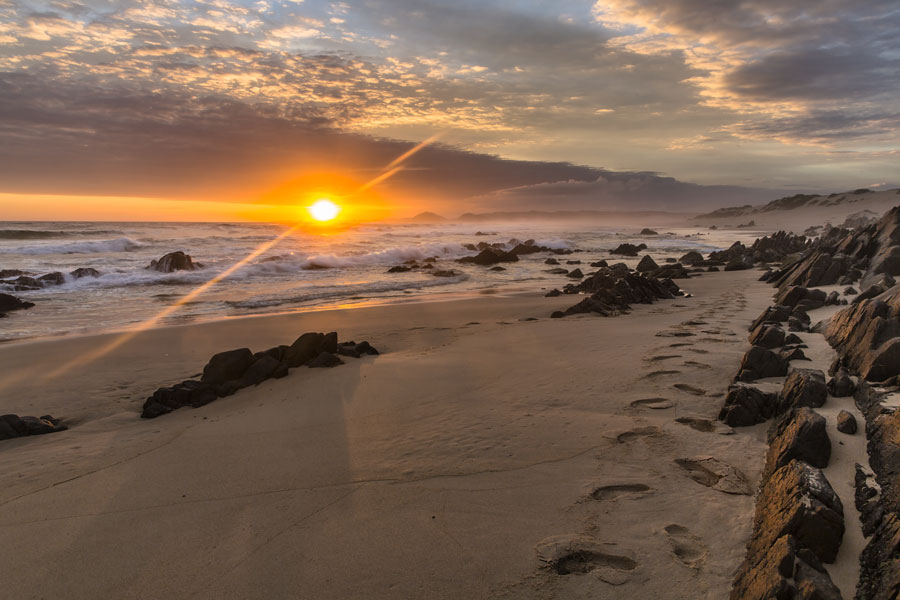
Oyster Bay, New York, can refer to both the historic hamlet of Oyster Bay and the much larger Town of Oyster Bay in eastern Nassau County. Oyster Bay hamlet is the waterfront, historic, civic, and commercial community centered around Audrey Avenue, South Street, the railroad station, town government offices, and Oyster Bay Harbor. It is best known for its Theodore Roosevelt connections, maritime heritage, walkable downtown, museums, parks, restaurants, and access to the Long Island Sound.
The larger Town of Oyster Bay stretches across a broad section of eastern Nassau County, from waterfront communities on the North Shore through central suburban and commercial areas to South Shore neighborhoods and beaches. It includes communities such as Oyster Bay, Bayville, Locust Valley, Syosset, Woodbury, Hicksville, Plainview, Bethpage, Massapequa, Massapequa Park, and numerous incorporated villages. Together, these areas make the town one of Long Island’s most geographically and economically varied municipalities.
History & Heritage
- Indigenous history: Long before European settlement, Indigenous communities lived along the protected harbors, creeks, forests, shellfish beds, and coastal areas of what is now northern Nassau County.
- Colonial settlement: Oyster Bay developed during the 17th century as one of Long Island’s early English settlement areas. Farming, fishing, shipbuilding, trade, and harbor access played important roles in the community’s growth.
- Revolutionary War history: The area was occupied by British forces during the American Revolution. The Townsend family of Oyster Bay became associated with Patriot intelligence activity, and the history of the period is interpreted at Raynham Hall Museum.
- Oyster harvesting: The protected waters of Oyster Bay supported commercial oyster harvesting, shellfishing, fishing, boatbuilding, and other maritime trades that helped define the harbor community’s identity.
- Theodore Roosevelt: Oyster Bay is closely associated with President Theodore Roosevelt, whose home at Sagamore Hill in nearby Cove Neck became known as the Summer White House.
- Gold Coast era: During the late 19th and early 20th centuries, the wider North Shore town became part of Long Island’s Gold Coast, where large estates, gardens, country properties, and waterfront residences were developed.
- Suburban growth: Railroad service, highways, commercial development, and postwar housing transformed central and southern portions of the town while many northern communities retained historic, estate, and maritime character.
Oyster Bay Hamlet & Downtown
- Audrey Avenue and South Street: Downtown Oyster Bay is centered around Audrey Avenue, South Street, and nearby blocks with restaurants, cafes, shops, professional offices, museums, civic buildings, and neighborhood services.
- Town government: Oyster Bay hamlet serves as the seat of government for the Town of Oyster Bay, making it an important destination for municipal offices, public meetings, permits, services, and civic activity.
- Railroad district: The Oyster Bay station is the eastern terminal of the Long Island Rail Road‘s Oyster Bay Branch and is located close to the downtown and waterfront.
- Historic streetscape: Older commercial buildings, churches, houses, museums, and civic landmarks give the hamlet a traditional small-town appearance and a strong sense of local history.
- Walkability: Downtown shops, restaurants, museums, the railroad station, and portions of the harborfront can be explored on foot, although nearby estates, parks, villages, and beaches generally require a car.
- Community events: Oyster Bay hosts seasonal events, historical programs, classic-car gatherings, waterfront activities, and the well-known Oyster Festival. Dates and details may vary from year to year.
- Visitor appeal: The hamlet is especially well suited to visitors interested in history, waterfront scenery, museums, local dining, boating, and quieter North Shore day trips.
Population & Communities
- Oyster Bay hamlet: Oyster Bay is a relatively small census-designated community with approximately 7,000 residents, centered around the harbor, downtown, railroad station, and town government area.
- Town of Oyster Bay: The larger town has just over 300,000 residents and includes dozens of hamlets, villages, commercial centers, suburban neighborhoods, waterfront areas, and estate communities.
- North Shore communities: Northern communities include Oyster Bay, Bayville, Locust Valley, Glen Head, Glenwood Landing, Mill Neck, Centre Island, Oyster Bay Cove, Cove Neck, and Laurel Hollow.
- Central communities: Central portions of the town include Syosset, Woodbury, Hicksville, Plainview, Old Bethpage, Bethpage, and portions of Farmingdale.
- South Shore communities: Southern portions include Massapequa, Massapequa Park, North Massapequa, Seaford, and nearby waterfront and suburban neighborhoods.
- Incorporated villages: The town contains numerous incorporated villages, including Bayville, Brookville, Centre Island, Cove Neck, Farmingdale, Lattingtown, Laurel Hollow, Massapequa Park, Matinecock, Mill Neck, Muttontown, Old Brookville, Oyster Bay Cove, Upper Brookville, and others.
- No Village of Oyster Bay: Oyster Bay itself is a hamlet and census-designated place, not an incorporated village. Nearby Oyster Bay Cove is a separate incorporated village.
Transportation & Connectivity
- Oyster Bay Branch: Oyster Bay hamlet is served by the Long Island Rail Road’s Oyster Bay Branch, which connects with western Nassau County and major terminals through direct trains or transfers depending on the schedule.
- Main Line stations: Other parts of the town are served by major railroad stations in Hicksville, Syosset, Bethpage, and Farmingdale.
- Major expressways and parkways: Regional road access includes the Long Island Expressway, Northern State Parkway, Southern State Parkway, and Seaford-Oyster Bay Expressway.
- North-south roads: Important routes include Route 106, Route 107, and local roads connecting the North Shore with central and southern Nassau County.
- Bus service: NICE Bus serves portions of the larger town, particularly central and southern communities. Coverage and frequency vary by route.
- New York City access: Depending on the station and train, residents and visitors can travel toward Penn Station, Grand Central Madison, Atlantic Terminal, and other western destinations.
- Driving conditions: Traffic can be heavy near major retail corridors, commuter stations, beaches, parkways, and downtown centers, especially during weekday rush periods and summer weekends.
Parks, Beaches & Outdoor Recreation
- Theodore Roosevelt Memorial Park: Located along the harbor near downtown Oyster Bay, this town park offers waterfront views, picnic areas, athletic facilities, seasonal beach access, playgrounds, and space for community events.
- Sagamore Hill National Historic Site: The Theodore Roosevelt home and grounds in nearby Cove Neck combine presidential history, walking paths, natural scenery, and views of the surrounding North Shore environment.
- Planting Fields Arboretum State Historic Park: Located near Oyster Bay in Upper Brookville, this former Gold Coast estate features gardens, greenhouses, lawns, woodland paths, historic buildings, and year-round horticultural interest.
- Target Rock National Wildlife Refuge: Located in Lloyd Neck near the town’s northeastern boundary, this refuge protects woodland and shoreline habitat with trails, wildlife viewing, fishing access, and Long Island Sound scenery.
- Bethpage State Park: One of the town’s major inland recreation destinations, Bethpage offers golf, trails, picnic areas, playing fields, and access to the Bethpage State Parkway corridor.
- Trail View State Park: This linear trail corridor runs through central Nassau County and supports hiking, cycling, and connections between open-space areas.
- Massapequa Preserve: Located in the southern part of the town, the preserve offers trails, ponds, wetlands, woodlands, wildlife habitat, and links to the Bethpage bikeway system.
- Tobay Beach: This town-operated beach provides access to the Atlantic Ocean and South Oyster Bay area, with seasonal facilities, parking requirements, and resident rules.
- Cedar Beach: South Shore beach areas within and near the town provide swimming, fishing, waterfront recreation, and views across the bays and channels.
- Popular activities: Recreation includes hiking, cycling, fishing, boating, kayaking, birdwatching, golf, beach visits, picnicking, and historic sightseeing.
Harbors, Bays & Coastal Life
- Oyster Bay Harbor: The protected harbor is the defining natural feature of Oyster Bay hamlet and supports marinas, sailing, shellfishing, fishing, mooring fields, waterfront parks, and scenic views.
- Mill Neck Creek: This sheltered North Shore waterway extends into the Mill Neck and Bayville area and contributes to the town’s boating, wetland, and wildlife environment.
- Cold Spring Harbor: Part of the town reaches the Cold Spring Harbor area, where protected water, marinas, shoreline communities, and access to the Long Island Sound shape the local setting.
- Hempstead Harbor: Western portions of the town near Glen Head and Glenwood Landing reach Hempstead Harbor and its industrial, residential, boating, and coastal environments.
- Long Island Sound: North Shore villages and hamlets have access to Sound beaches, harbors, fishing, boating, coastal wildlife, and scenic waterfront areas.
- South Oyster Bay: Southern communities face South Oyster Bay, marsh islands, canals, channels, marinas, and waterfront neighborhoods.
- Reynolds Channel and Jones Inlet: These waterways connect South Shore bays and communities with the Atlantic Ocean, supporting boating, fishing, navigation, and coastal recreation.
- Marinas and boating: Marinas, yacht clubs, boatyards, docks, launch facilities, and waterfront businesses operate throughout the town’s northern and southern shorelines.
- Coastal protection: Water quality, shellfish habitat, wetlands, erosion, storm flooding, drainage, shoreline access, and resiliency remain important planning concerns across both shores.
Historic Sites, Museums & Culture
- Sagamore Hill: Theodore Roosevelt’s home in Cove Neck is one of the most important presidential sites on Long Island and a central attraction in the Oyster Bay area.
- Raynham Hall Museum: Located in downtown Oyster Bay, the museum interprets colonial life, the Townsend family, British occupation, and Revolutionary War intelligence activity.
- Oyster Bay Railroad Museum: The museum preserves local railroad history, equipment, photographs, and the story of the Oyster Bay Branch and its relationship to the hamlet’s development.
- Planting Fields: In addition to its gardens and landscape, the estate preserves architecture, decorative arts, greenhouses, and important Gold Coast history.
- Historic churches and homes: Oyster Bay and surrounding villages contain churches, cemeteries, colonial homes, estate properties, and preserved neighborhoods representing several periods of local history.
- Oyster Festival: The annual festival celebrates the community’s maritime traditions with food, entertainment, family activities, local organizations, and waterfront programming.
- Community culture: Libraries, museums, schools, civic organizations, arts groups, seasonal festivals, concerts, preservation organizations, and historic societies contribute to year-round cultural life.
Economy & Employment
- Municipal government: Town government offices in Oyster Bay hamlet support public administration, planning, parks, public works, recreation, permitting, and community services.
- Retail and commercial centers: Hicksville, Syosset, Plainview, Bethpage, Massapequa, and other communities contain major shopping corridors, office districts, restaurants, and service businesses.
- Health care and education: Hospitals, medical offices, schools, colleges, libraries, senior-care providers, and educational institutions are major employers throughout the town.
- Corporate and professional services: Central Nassau business districts support finance, law, technology, insurance, real estate, construction, logistics, and professional services.
- Tourism and hospitality: Museums, historic estates, parks, beaches, marinas, restaurants, hotels, festivals, and waterfront attractions support the visitor economy.
- Marine industries: Marinas, boatyards, shellfish businesses, marine repair, charter operations, docks, fishing, and waterfront services remain important along both the North Shore and South Shore.
- Construction and property services: Home building, renovation, landscaping, estate maintenance, property management, and real estate activity support suburban and waterfront communities throughout the town.
Housing & Lifestyle
- Oyster Bay hamlet: Housing includes older colonials, Victorians, traditional suburban homes, apartments, condominiums, and properties near the harbor, downtown, and railroad station.
- North Shore villages and estates: Oyster Bay Cove, Cove Neck, Laurel Hollow, Mill Neck, Centre Island, and nearby areas contain wooded properties, historic estates, waterfront homes, and larger residential lots.
- Central suburban communities: Syosset, Woodbury, Hicksville, Plainview, Bethpage, and surrounding areas offer established neighborhoods, apartments, condominiums, schools, retail, and commuter access.
- South Shore living: Massapequa, Massapequa Park, North Massapequa, and Seaford include suburban neighborhoods, canal and waterfront properties, downtown districts, parks, and rail access.
- Wide range of settings: The town includes small historic downtowns, dense suburban districts, estate villages, waterfront communities, commercial corridors, and quieter residential neighborhoods.
- Everyday appeal: Residents benefit from railroad access, major highways, schools, parks, beaches, shopping, health care, museums, waterfront recreation, and proximity to both New York City and Long Island’s North and South shores.
Oyster Bay Hamlet
Snapshot
| Feature | Details |
|---|---|
| Primary community | Oyster Bay hamlet, including its downtown, town offices, railroad station, museums, harborfront, and nearby neighborhoods |
| Larger municipality | Town of Oyster Bay |
| Hamlet population | Approximately 7,000 residents |
| Town population | Just over 300,000 residents |
| Location | Eastern Nassau County, spanning the North Shore, central Nassau, and portions of the South Shore |
| Historic roots | 17th-century settlement, maritime trade, oyster harvesting, Revolutionary War history, Theodore Roosevelt, and Gold Coast estates |
| Character | Historic waterfront hamlet, suburban communities, estate villages, commercial corridors, parks, beaches, and residential neighborhoods |
| Transportation | LIRR Oyster Bay Branch and Main Line stations, Long Island Expressway, Northern State Parkway, Southern State Parkway, and Seaford-Oyster Bay Expressway |
| Water access | Oyster Bay Harbor, Mill Neck Creek, Long Island Sound, Hempstead Harbor, and South Oyster Bay |
| Major attractions | Sagamore Hill, Raynham Hall Museum, Theodore Roosevelt Memorial Park, Planting Fields Arboretum, and Bethpage State Park |
| Popular activities | Historic sightseeing, boating, fishing, hiking, cycling, golfing, beach visits, museum visits, shopping, dining, and waterfront recreation |
| Notable communities | Bayville, Locust Valley, Syosset, Woodbury, Hicksville, Plainview, Bethpage, and Massapequa |
| Municipal distinction | Oyster Bay is a hamlet, not an incorporated village; nearby Oyster Bay Cove is a separate village |
Oyster Bay combines the atmosphere of a historic North Shore harbor community with the parks, beaches, museums, business districts, and varied neighborhoods of the much larger town. Visitors can explore downtown, tour Sagamore Hill, visit Raynham Hall Museum, walk along Theodore Roosevelt Memorial Park, or continue toward Planting Fields Arboretum, Bayville, Locust Valley, and other nearby communities. Its combination of presidential history, maritime heritage, waterfront scenery, suburban convenience, estate landscapes, and year-round community life makes Oyster Bay one of the most distinctive destinations in Nassau County.
Clarifying the Town of Oyster Bay vs. Oyster Bay Hamlet
Although they share the same name, the Town of Oyster Bay and Oyster Bay hamlet are not the same place. The Town of Oyster Bay is the large municipality in Nassau County that includes many communities across the North Shore, central Nassau, and the South Shore, including Bayville, Locust Valley, Syosset, Woodbury, Hicksville, Plainview, Bethpage, Massapequa, and others. Oyster Bay hamlet refers specifically to the historic waterfront community centered around Audrey Avenue, South Street, the town government offices, the railroad station, local museums, and Oyster Bay Harbor. There is no separate incorporated Village of Oyster Bay. Nearby Oyster Bay Cove, Cove Neck, and Laurel Hollow are separate incorporated villages. Keeping that distinction clear helps visitors determine whether a beach rule, town service, event, address, or destination applies to the individual hamlet or to the much larger municipality.
Are you ready for fall on Long Island? Check out these local seasonal guides:
🍎 Apple Picking | 🍂 Fall Festivals & Farm Activities | 👻 Haunted Houses | 🎃 Pumpkin Picking