
What is the Gold Coast?
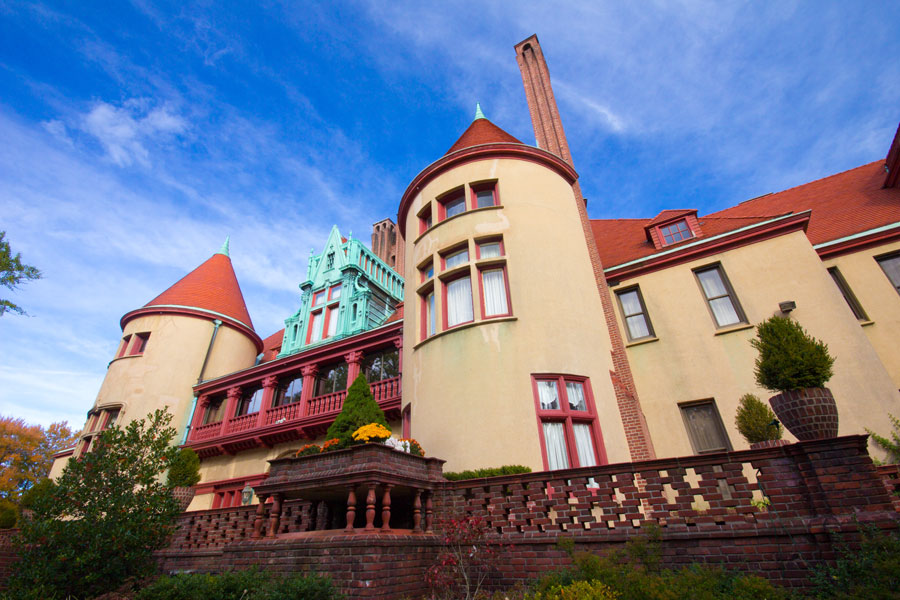
The Gold Coast is a historic region along Long Island’s North Shore that became famous during the late 19th and early 20th centuries as the location of lavish estates built by some of America’s wealthiest families. Stretching across parts of Nassau County and western Suffolk County, the Gold Coast is known for its grand mansions, picturesque waterfront communities, and lasting influence on American history, architecture, and culture.
In Short
The Gold Coast refers to the prestigious estates and waterfront communities along Long Island’s North Shore. During the Gilded Age, wealthy industrialists and financiers built magnificent country homes here, many of which remain historic landmarks today.
What Is the Gold Coast?
The Gold Coast is the name given to the elegant stretch of Long Island’s North Shore where America’s wealthiest families built elaborate country estates during the late 1800s and early 1900s. Drawn by the scenic shoreline of Long Island Sound, these families transformed the region into one of the most exclusive residential areas in the United States.
Prominent business leaders, financiers, and industrialists constructed magnificent mansions surrounded by expansive gardens, formal landscapes, and private waterfront property. Many of these estates featured architecture inspired by European palaces and castles, reflecting the prosperity of the Gilded Age.
Today, many former Gold Coast estates have been preserved as museums, public gardens, parks, educational institutions, and cultural attractions. Visitors can explore historic properties, tour elegant mansion interiors, stroll beautifully landscaped grounds, and learn about the families who helped shape American business and society.
The Gold Coast also inspired literature and popular culture. F. Scott Fitzgerald drew inspiration from the lavish estates and wealthy lifestyles found along Long Island’s North Shore while writing The Great Gatsby, helping make the region internationally recognized as a symbol of wealth, elegance, and the Roaring Twenties.
Quick Facts
| Category | Information |
|---|---|
| Location | Long Island’s North Shore |
| Counties | Nassau County and western Suffolk County |
| Known For | Historic mansions, waterfront estates, architecture, gardens, and Gilded Age history |
| Time Period | Late 19th and early 20th centuries |
| Inspired | The Great Gatsby by F. Scott Fitzgerald |
| Nearby Waterway | Long Island Sound |
| State | New York State |
More than a century after its rise during the Gilded Age, Long Island’s Gold Coast continues to captivate visitors with its remarkable architecture, beautiful landscapes, and fascinating history. Whether exploring a preserved mansion, walking through formal gardens, or simply enjoying the scenic beauty of the North Shore, the Gold Coast remains one of the most iconic and historically significant regions of Long Island.
Are you ready for fall on Long Island? Check out these local seasonal guides:
🍎 Apple Picking 🍓 Strawberry Picking 🎃 Pumpkin Picking 👻 Haunted Houses 🍂 Farm Festivals