
Suffolk County, New York
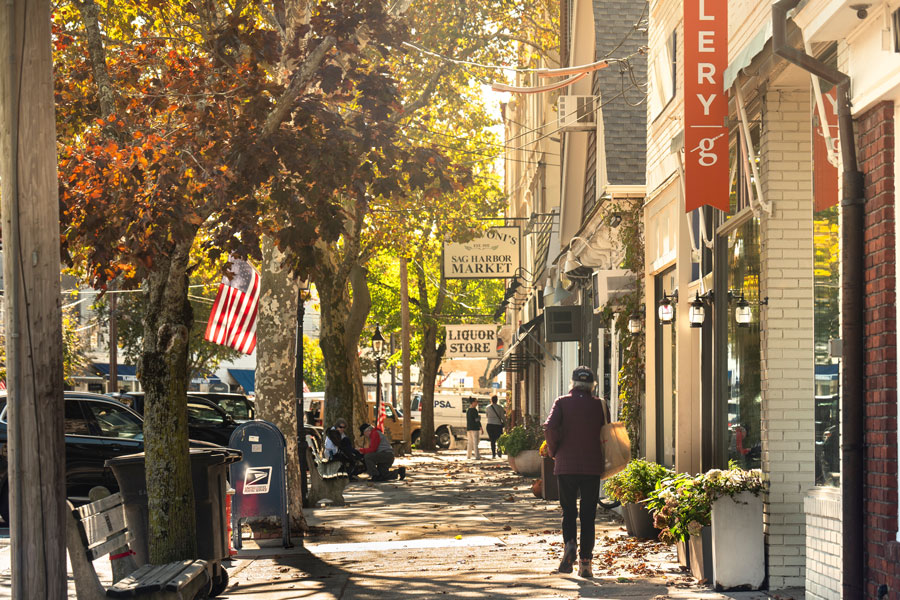
Suffolk County is the easternmost county in New York State, encompassing the eastern two-thirds of Long Island. It is the largest of Long Island’s four counties and one of the largest counties in New York by land area. With a population of more than 1.5 million residents, Suffolk County offers a blend of suburban communities, rural landscapes, historic villages, waterfront towns, beaches, farms, and preserved open space, making it one of Long Island’s most geographically diverse regions.
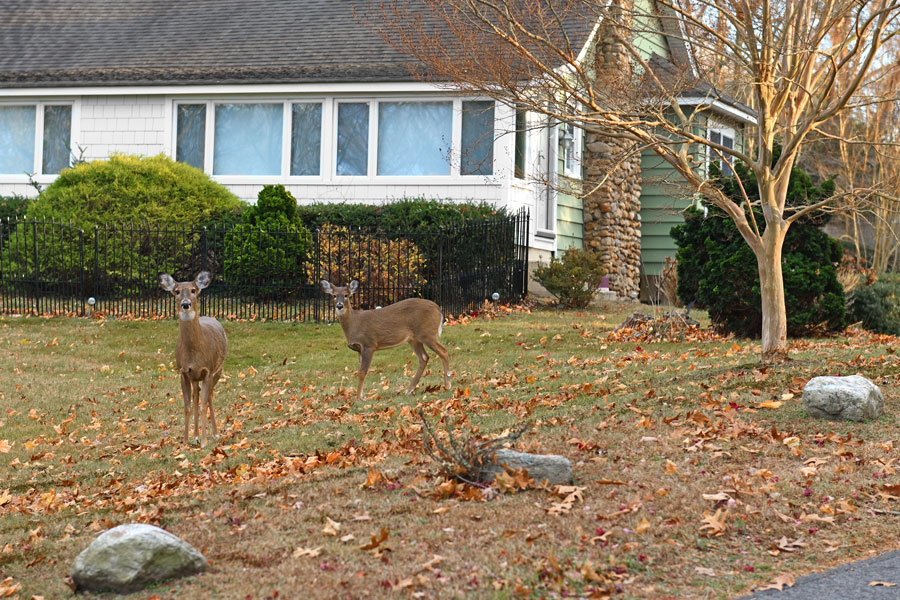
History
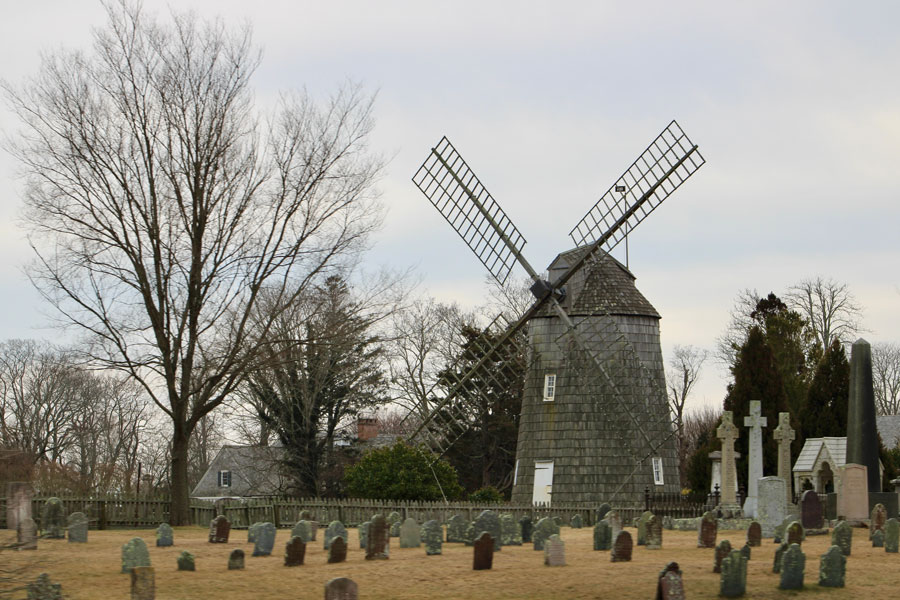
Established in 1683 as one of New York’s original counties, Suffolk County was named for Suffolk, England, reflecting the English origins of many early colonial settlers. During the American Revolutionary War, Suffolk and much of Long Island was occupied by British forces from 1776 until 1783. Over time, the county evolved from a region of farms, fishing villages, whaling ports, and small colonial settlements into a diverse suburban, coastal, agricultural, and tourism-driven region known for historic communities, cultural landmarks, and protected landscapes.
Geography
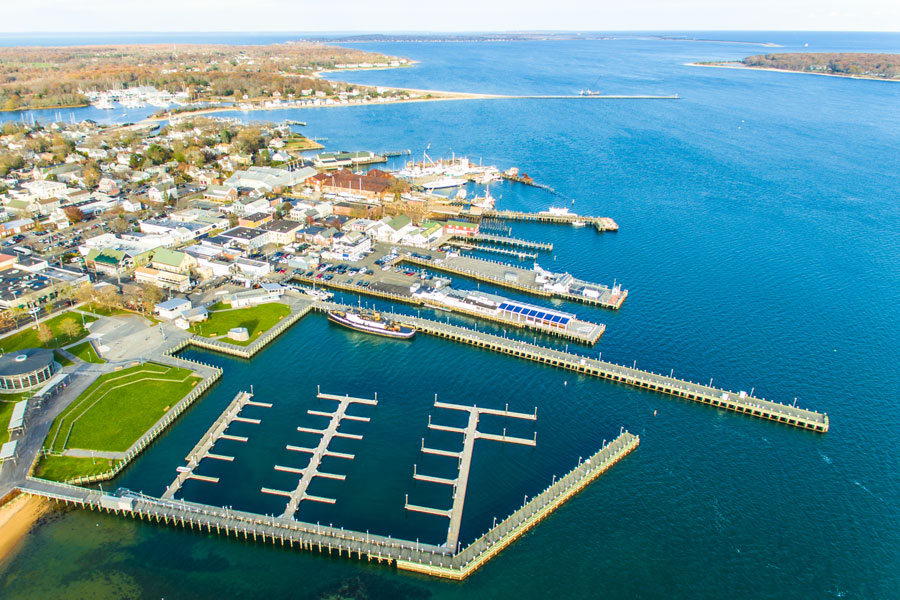
Suffolk County occupies the eastern portion of Long Island, bordered by Nassau County to the west, the Long Island Sound to the north, and the Atlantic Ocean to the south and east. The county encompasses a diverse landscape of beaches, barrier islands, bays, forests, wetlands, farmland, and coastal communities. Notable geographic features include Gardiners Bay, Peconic Bay, the Central Pine Barrens, and the island’s two eastern peninsulas – the North Fork and the South Fork – each known for its distinct character, natural resources, and communities.
Demographics
According to the latest U.S. Census Bureau population estimates, Suffolk County had an estimated population of approximately 1.55 million residents in 2025, making it the fourth most populous county in New York State. The county’s population has remained relatively stable in recent years, reflecting modest growth and ongoing shifts in migration, housing, and demographic patterns. Suffolk is home to a diverse population and continues to be one of the largest suburban counties in the United States.
The county’s median household income exceeds $130,000, ranking among the highest in New York State. Suffolk’s population includes a mix of long-established suburban communities, growing downtown centers, agricultural areas, waterfront villages, and seasonal East End populations. Together, these characteristics contribute to the county’s economic strength and cultural diversity.
Economy
Suffolk County has one of the largest regional economies in New York State, with a Gross Domestic Product (GDP) of approximately $139 billion in 2024. The county benefits from a diverse economic base that includes healthcare, education, technology, defense contracting, scientific research, tourism, agriculture, construction, retail trade, and professional services. Major employment centers are located throughout western and central Suffolk, while tourism, hospitality, agriculture, and maritime industries play an increasingly important role on the North Fork, the South Fork, and throughout the East End.
The county’s median household income exceeds $130,000, ranking among the highest in New York State. Economic development efforts continue to focus on infrastructure improvements, downtown revitalization, workforce development, transportation investment, innovation, and the growth of high-technology industries connected to institutions such as Stony Brook University, Brookhaven National Laboratory, major healthcare systems, and private-sector employers. Regional transportation assets, including the Long Island Rail Road, continue to support workforce mobility and economic activity across the county.
Transportation
Suffolk County is served by an extensive transportation network that includes highways, rail service, public transit, airports, ferries, and local roadways. These systems connect residents and visitors to destinations throughout Long Island, New York City, New England, and beyond.
- Public Transit: Suffolk County Transit provides bus service throughout the county, connecting communities, employment centers, shopping districts, and Long Island Rail Road stations.
- Rail Service: The Long Island Rail Road (LIRR) operates several branches through Suffolk County, providing commuter and regional rail service to western Long Island, Queens, Brooklyn, Manhattan, and Grand Central Madison.
- Air Travel: Long Island MacArthur Airport in Ronkonkoma serves as Suffolk County’s primary commercial airport, offering domestic air service and regional transportation connections. Additional aviation facilities include East Hampton Airport and several general aviation airports.
- Major Roadways: Key transportation corridors include the Long Island Expressway (I-495), Sunrise Highway (NY-27), Northern State Parkway, Southern State Parkway, and numerous county and state roads that support regional mobility.
- Ferry Service: Ferries provide access to destinations including Fire Island, Shelter Island, and communities beyond Long Island.

Education
Suffolk County is served by dozens of public school districts, private schools, vocational programs, and institutions of higher education. The county consistently ranks among the most educated regions in New York State and is home to nationally recognized universities, community colleges, research institutions, and specialized training programs.
- Public Education: Suffolk County’s public school districts serve hundreds of thousands of students across suburban, rural, and coastal communities. Many districts are consistently recognized for strong academic performance, extracurricular programs, athletics, arts education, and college readiness.
- Higher Education: Major institutions include Stony Brook University, Suffolk County Community College, and Five Towns College, along with numerous career, technical, and professional education programs throughout the county.
- Research & Innovation: Educational institutions play a significant role in Suffolk County’s economy through scientific research, workforce development, healthcare training, and partnerships with organizations such as Brookhaven National Laboratory.
Government
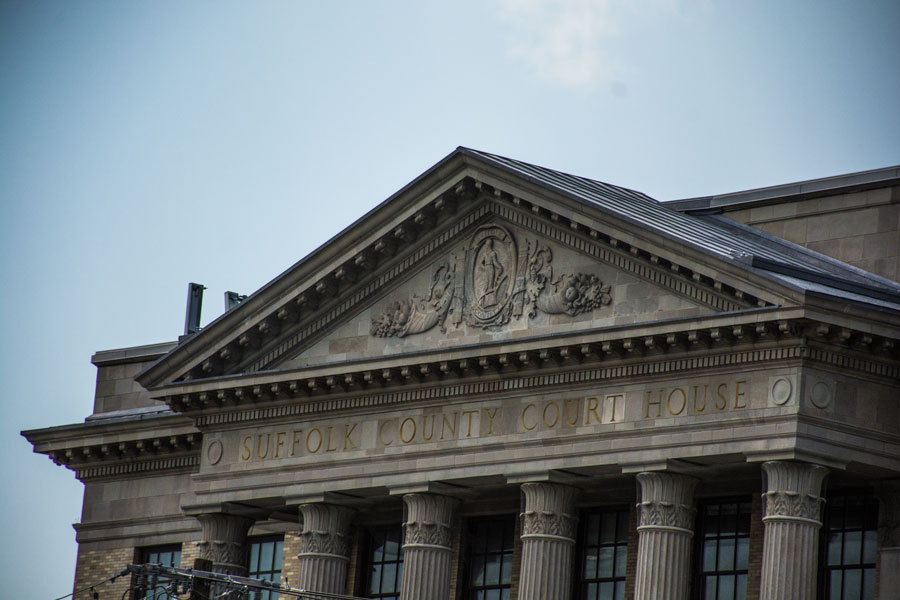
Suffolk County operates under a county executive-legislature form of government. The county executive serves as the chief executive officer, while the Suffolk County Legislature consists of 18 elected members representing legislative districts throughout the county. Together, they oversee county finances, public safety, infrastructure, health services, parks, public works, economic development, and other governmental functions that affect residents across Suffolk County.
Attractions
Suffolk County is home to some of Long Island’s most recognizable attractions, drawing visitors from across New York, the United States, and around the world. From historic landmarks and ocean beaches to wineries, parks, museums, and waterfront villages, the county offers a wide variety of recreational, cultural, and outdoor experiences.
- Montauk Point Lighthouse – Commissioned by President George Washington in 1792, the lighthouse is the oldest in New York State and one of Long Island’s most iconic landmarks.
- Fire Island National Seashore – A federally protected barrier island known for its beaches, dunes, maritime forests, wildlife habitats, and car-free communities.
- Long Island Aquarium – Located in Riverhead, the aquarium features marine exhibits, educational programs, interactive experiences, and one of the region’s most popular family attractions.
- North Fork Wine Country – Home to dozens of vineyards, wineries, farm stands, and agricultural destinations that have helped establish the North Fork as one of the East Coast’s premier wine regions.
- The Hamptons – A collection of historic South Fork communities known for beaches, cultural institutions, architecture, restaurants, and seasonal tourism.
- Caumsett State Historic Park Preserve – One of Long Island’s most visited state parks, featuring trails, woodlands, shoreline access, and historic estate grounds.
- Sunken Meadow State Park – A popular North Shore destination offering beaches, boardwalks, hiking trails, and panoramic views of Long Island Sound.
From the beaches of Montauk and Fire Island to the vineyards of the North Fork, the historic villages of the East End, and the parks and preserves found throughout the county, Suffolk County offers one of the most diverse collections of attractions in New York State. Its combination of natural beauty, maritime heritage, outdoor recreation, cultural destinations, and vibrant communities continues to make it a popular place to live, work, and visit.
Suffolk County, New York
Key Facts & Details
| Category | Details |
|---|---|
| Location | Eastern portion of Long Island, New York |
| County Seat | Riverhead |
| Established | 1683 |
| Population | Approximately 1.5 million residents |
| Area | About 2,373 square miles (including water) |
| Largest Communities | Brookhaven, Islip, Huntington, Smithtown, Babylon, Riverhead, Southampton, and East Hampton |
| Known For | The Hamptons, North Fork wineries, Fire Island, beaches, parks, historic villages, and maritime heritage |
| Major Airports | Long Island MacArthur Airport and Francis S. Gabreski Airport |
| Major Water Bodies | Long Island Sound, Great South Bay, Peconic Bay, Gardiners Bay, and the Atlantic Ocean |
| Popular Destinations | Montauk, Fire Island, The Hamptons, North Fork, Jones Beach region, and numerous waterfront villages |
Suffolk County remains one of New York’s most diverse and geographically varied destinations, encompassing everything from bustling suburban communities and historic villages to world-famous beaches, vineyards, and coastal landscapes. Whether exploring the scenic North Fork, visiting the Hamptons, enjoying outdoor recreation along the South Shore, or discovering the many parks, museums, and waterfront communities throughout the region, visitors will find no shortage of places to experience. As the largest county on Long Island, Suffolk County continues to play a central role in the region’s culture, economy, history, and appeal as both a place to live and a destination to explore.
Are you ready for fall on Long Island? Check out these local seasonal guides:
🍎 Apple Picking | 🍂 Fall Festivals & Farm Activities | 👻 Haunted Houses | 🎃 Pumpkin Picking