
Great South Bay
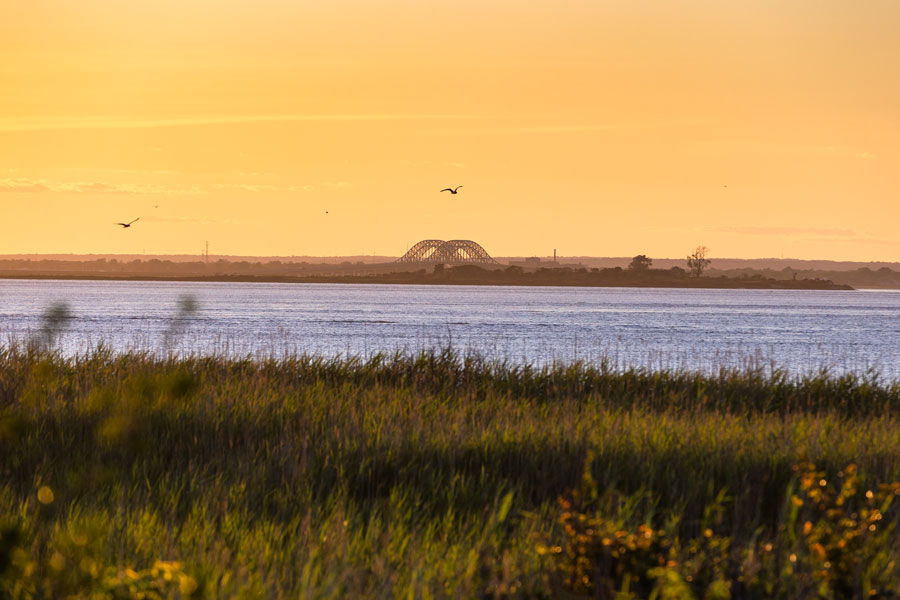
Stretching for roughly 45 miles along the southern coast of Long Island, the Great South Bay is a broad, shallow lagoon separated from the Atlantic Ocean by the barrier beaches of Fire Island. Rich in maritime history and natural beauty, this iconic body of water has long shaped life on the South Shore, supporting boating, fishing, shellfishing, waterfront communities, and access to some of Long Island’s best-known coastal landscapes.
A Vital South Shore Waterway
The bay touches or influences numerous Long Island communities, including Babylon, Islip, Sayville, Patchogue, Bellport, and the broader Brookhaven shoreline within the connected South Shore bay system. For generations, these areas relied on the bay for ferries, commerce, seafood harvesting, and everyday transportation. While commercial shellfishing and water conditions have changed over time, the Great South Bay remains central to the region’s identity and recreation.
Boating & Recreation
The Great South Bay is a favorite destination for boaters, with waters that often suit everything from kayaking and paddleboarding to center consoles and cabin cruisers, though wind and tide can create choppy conditions in open stretches. Marinas, yacht clubs, and public launches line the mainland shore, and popular access points and destinations include Oak Beach, Captree State Park, and Fire Island National Seashore. Anglers target fluke, striped bass, bluefish, weakfish, and other seasonal species, while crabbing, clamming, and shoreline birdwatching remain part of the bay’s enduring appeal. Fishing, shellfishing, and boating rules can change, so check current regulations and local conditions before heading out.
Ecological Importance
The bay’s salt marshes, seagrass habitat, mudflats, and tidal creeks support fish, shellfish, shorebirds, osprey, herons, and many other species. It plays an important role in Long Island’s coastal ecosystem, serving as nursery habitat for marine life and helping buffer mainland communities from coastal storms. Water quality, habitat restoration, and resiliency projects continue to shape the future of this valuable natural resource.
Fire Island Connection
Separated from the Atlantic by Fire Island, the Great South Bay connects to the ocean through major inlets including Fire Island Inlet and Moriches Inlet. Fire Island’s barrier beach helps shelter the bay from direct ocean surf while creating one of the most distinctive coastal environments in New York. From mainland communities such as Bay Shore, Sayville and Patchogue ferries and private boats provide access to Fire Island communities, beaches, and park areas; schedules and seasonal service details may change, so check ahead when planning a trip.
Planning a Visit
Visitors can experience the Great South Bay through public waterfront parks, marinas, fishing piers, boat ramps, ferry terminals, and bayfront downtowns across the South Shore. Sunrise and sunset views are a highlight year-round, and warm-weather months bring the most activity on the water. Parking rules, launch fees, ferry schedules, and facility hours vary by season, and weather or tidal conditions can affect access, so it is wise to confirm details before visiting.
Key Facts & Details
| Location | South Shore, Long Island, New York |
|---|---|
| Water Type | Shallow coastal lagoon (estuary) |
| Length | Approximately 45 miles |
| Separated From | Atlantic Ocean by Fire Island |
| Connected To | Atlantic Ocean through Fire Island Inlet and Moriches Inlet |
| Popular Activities | Boating, fishing, shellfishing, crabbing, kayaking, paddleboarding, birdwatching, and photography |
| Notable Communities | Babylon, Islip, Sayville, Patchogue, and Bellport |
| Known For | Recreation, boating, shellfishing, coastal wildlife, waterfront communities, and access to Fire Island |
The Great South Bay remains one of Long Island’s defining natural resources, offering a blend of scenic beauty, outdoor recreation, and ecological importance. From its busy marinas and fishing grounds to its tranquil marshes and spectacular sunsets, the bay continues to shape life along the South Shore while serving as the gateway to Fire Island National Seashore and many of the region’s most treasured waterfront destinations.
Are you ready for fall on Long Island? Check out these local seasonal guides:
🍎 Apple Picking 🍓 Strawberry Picking 🎃 Pumpkin Picking 👻 Haunted Houses 🍂 Farm Festivals