
The Atlantic Ocean
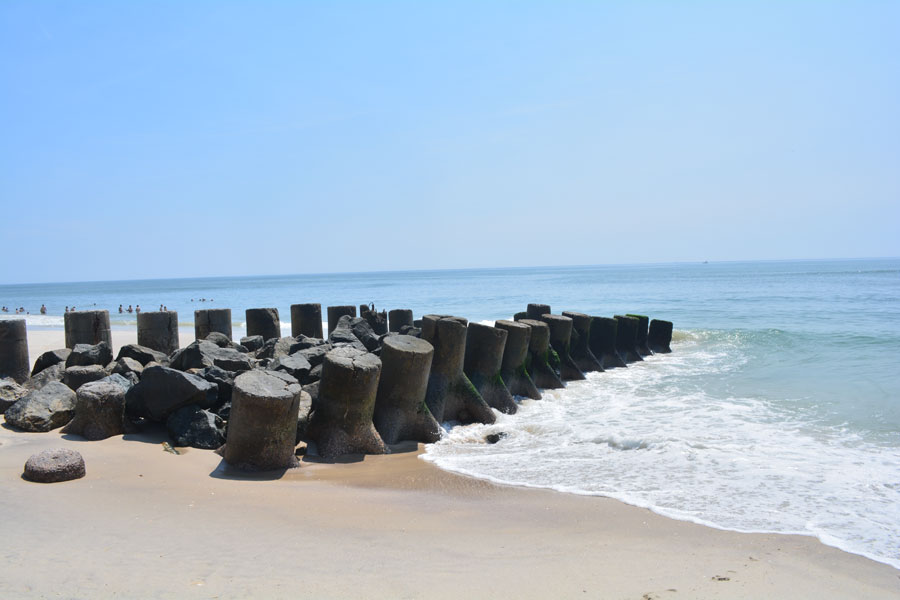
The Atlantic Ocean is more than the body of water bordering Long Island; it is the force that has shaped the island’s coastline, economy, ecology, and culture for centuries. Stretching from Montauk Point in the east to the barrier beaches near Jones Beach, Fire Island, and Long Beach in the west, the Atlantic helps define Long Island as both a maritime region and one of America’s best-known beach destinations.
From powerful surf along the South Shore to the calmer waters of the Great South Bay and the Peconic Estuary beyond the barrier system, the Atlantic influences nearly every aspect of life on the island – from weather patterns and tourism to fishing, navigation, and conservation.
Geography & Coastal Landscape
Long Island’s southern shoreline runs roughly 120 miles along the Atlantic Ocean, creating one of the most extensive stretches of oceanfront beach on the U.S. East Coast.
- Barrier islands and barrier beaches – including Jones Beach Island, Fire Island, and the oceanfront stretches near Westhampton Beach and Dune Road – act as natural buffers, helping protect mainland bays and communities from the full force of the ocean.
- Inlets such as Fire Island Inlet, Moriches Inlet, and Shinnecock Inlet allow tidal exchange between the Atlantic and the island’s inner bays.
- Dune ecosystems, maritime scrub, and salt marshes provide critical habitat for shorebirds, fish nurseries, and migratory species.
The Atlantic’s constant motion – through tides, waves, and storms – continually reshapes the coastline, shifting sand, widening or narrowing beaches, and altering inlet conditions in an ongoing natural process that defines Long Island’s geography.
History & Maritime Significance
Since Long Island’s earliest human history, the Atlantic Ocean has served as a route of travel, a source of food and trade, and at times a serious coastal hazard.
- Indigenous peoples, including the Montaukett and Shinnecock, maintained deep cultural and subsistence ties to the ocean and South Shore estuaries, harvesting fish, shellfish, and other coastal resources.
- European settlers in the 1600s established fishing communities, trading harbors, and later whaling ports such as Sag Harbor, which prospered through maritime commerce.
- In the 19th century, the coast saw the rise of life-saving stations – predecessors to the U.S. Coast Guard – because shipwrecks were common on offshore shoals and shifting sandbars.
- World War II brought submarine patrols and coastal defenses to Long Island’s Atlantic front. Remnants and related sites remain at Camp Hero in Montauk and Fort Tilden in Queens.
Today, the Atlantic still anchors Long Island’s maritime identity through commercial and recreational fishing, waterfront tourism, marine services, research, and evolving offshore energy projects.
Recreation & Beaches
The Atlantic Ocean remains the centerpiece of Long Island’s tourism and outdoor recreation economy. Visitors and residents come year after year for wide sandy beaches, surf, ocean swimming, shoreline walks, fishing, and coastal parks.
Notable Atlantic-Facing Beaches
- Jones Beach State Park (Wantagh) – An iconic public beach known for its broad shoreline, boardwalk, and major seasonal events.
- Robert Moses State Park (Babylon) – A wide ocean beach near Fire Island Inlet with swimming, surf fishing access, and views toward the Fire Island Lighthouse.
- Fire Island National Seashore – Reached by ferry, private boat, or on foot from certain access points depending on the section; known for dunes, wildlife, maritime landscapes, and historic sites including the lighthouse area.
- Cupsogue Beach County Park (Westhampton Beach) – A popular oceanfront county park on the barrier beach east of Moriches Inlet; amenities and seasonal programming may vary.
- The Hamptons Beaches (East Hampton, Southampton, Montauk) – Widely known for scenic dunes, strong surf, and a mix of public and village-managed oceanfront beaches.
- Long Beach (Nassau County) – A lively oceanfront city with a boardwalk, beach culture, and a long-standing connection to surfing and seaside recreation.
Beyond swimming and sunbathing, Long Islanders embrace ocean activities year-round – including surfing, saltwater fishing, diving, sailing, beachcombing, and wildlife photography – though conditions, water temperatures, and permitted uses change with the seasons.
Beach access, parking, lifeguard coverage, fees, ferry schedules, and local rules vary widely by park, village, town, and season. Check ahead before visiting, especially during shoulder seasons or after storms.
Marine Life & Ecology
Long Island’s Atlantic waters support a rich and seasonally changing marine ecosystem:
- Fish species such as striped bass, bluefish, fluke, black sea bass, and tuna are found in inshore or offshore waters depending on the season.
- Marine mammals, including dolphins, whales, and seals, are increasingly and seasonally spotted off Montauk, Fire Island, and other stretches of the South Shore.
- Shorebirds such as piping plovers, terns, and oystercatchers nest along beaches and dunes, often in protected habitats with seasonal access restrictions.
- The Atlantic’s larger current systems, including the influence of the Gulf Stream offshore, help shape regional weather patterns and marine biodiversity.
Environmental stewardship remains a major priority, with ongoing work by New York State Parks, the National Park Service, NOAA, local governments, and nonprofit groups focused on erosion, water quality, habitat loss, and coastal resilience.
Climate, Weather, and Ocean Influence
The Atlantic Ocean plays a dominant role in shaping Long Island’s climate, moderating summer heat and winter cold. Sea breezes, ocean temperatures, and offshore currents often keep coastal conditions milder than inland parts of New York.
That same proximity also brings coastal risk. Rip currents, dense fog, beach erosion, nor’easters, hurricanes, and storm surge are all part of life along the oceanfront – from the 1938 Long Island Express hurricane to Superstorm Sandy in 2012.
In response, local, state, and federal agencies have undertaken major resiliency efforts including dune restoration, wetland protection, beach nourishment, and updated building standards in vulnerable flood zones.
Economic and Cultural Importance
The Atlantic supports a substantial share of Long Island’s coastal economy and identity:
- Tourism and hospitality depend heavily on oceanfront destinations, seasonal beach travel, and waterfront events.
- Commercial fishing fleets based in places such as Montauk and around Shinnecock Inlet and Hampton Bays continue to contribute to the regional seafood economy.
- Recreational boating, charter fishing, and marinas across the South Shore help sustain local small businesses and marine trades.
- New frontiers such as offshore wind energy – including South Fork Wind, the state’s first commercial-scale offshore wind project – highlight the ocean’s evolving role in regional infrastructure and energy planning.
Culturally, the Atlantic has inspired generations of artists, writers, surfers, anglers, and filmmakers. From old lifesaving lore and fishing traditions to modern boardwalk culture and East End surf scenes, the ocean remains one of the clearest symbols of Long Island life.
Atlantic Ocean
The Atlantic Ocean defines Long Island’s entire southern shoreline, stretching from the western edge of the island near The Rockaways to the eastern tip at Montauk Point. Its miles of sandy beaches, rolling surf and shifting barrier islands have shaped Long Island’s geography, economy, and coastal culture for centuries.
Key Facts & Details
| Detail | Information |
|---|---|
| Ocean | Atlantic Ocean |
| Atlantic-Facing South Shore Length | Approximately 120 miles |
| Major Barrier Islands / Beach Systems | Jones Beach Island, Fire Island, and the barrier beach stretches near Westhampton Beach and Dune Road |
| Main Inlets | Fire Island Inlet, Moriches Inlet, Shinnecock Inlet |
| Notable Beaches | Jones Beach, Robert Moses, Fire Island, Cupsogue, Long Beach, Montauk-area beaches |
| Water Temperature (Seasonal Approx.) | Roughly 39°F – 75°F (4°C – 24°C), depending on location and time of year |
| Typical Surf | Highly variable; often modest in summer, with larger waves during winter swells and storms |
| Wildlife | Whales, dolphins, seals, striped bass, bluefish, shorebirds, and other migratory marine species |
| Economic Drivers | Tourism, fishing, boating, marine services, real estate, and renewable energy |
| Environmental Concerns | Erosion, sea-level rise, storm impacts, water quality, and habitat preservation |
The Atlantic Ocean is both guardian and sculptor of Long Island; its tides, storms, and shifting sands have helped write the island’s story from prehistoric coastal formation to today’s vibrant waterfront communities. It continues to shape Long Island’s weather, economy, recreation, and sense of place.
Whether viewed from the dunes of Fire Island, the bluffs and beaches near Montauk, or the bustling boardwalks of Long Beach, the Atlantic remains Long Island’s horizon line – a living force connecting the island’s past, present, and future.
Are you ready for fall on Long Island? Check out these local seasonal guides:
🍎 Apple Picking 🍓 Strawberry Picking 🎃 Pumpkin Picking 👻 Haunted Houses 🍂 Farm Festivals