
Fishing on Long Island
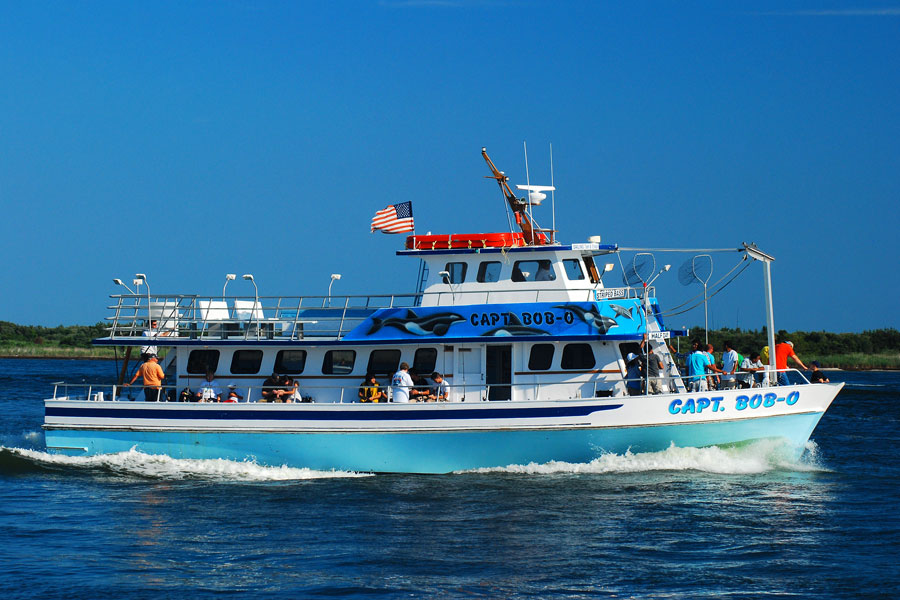
From Atlantic surf beaches and South Shore bays to Long Island Sound, the Peconic Estuary, tidal rivers, and stocked freshwater ponds, Long Island offers fishing in every season for surfcasters, boaters, kayak anglers, and freshwater anglers alike.
What you can catch (high level)
- Striped bass and bluefish are classic spring-through-fall targets from the surf, inlets, and boats.
- Fluke (summer flounder), porgy (scup), black sea bass, and weakfish are popular warm-season inshore catches.
- False albacore and bonito make exciting late-summer and fall appearances, especially around Montauk and the East End.
- Tautog (blackfish) are prized around rocks, wrecks, reefs, and other structure during spring and fall windows.
- Sea robins and dogfish are common summer by-catch in many ocean and bay fisheries.
- Offshore (seasonal): tuna, mahi, and sharks, with strict species-specific rules and many sharks protected or release-only.
- Freshwater: trout in stocked waters, largemouth bass, chain pickerel, carp, sunfish, and other panfish.
Where to fish
Access, parking, and after-hours rules can vary by state park, town, village, or marina. Some beaches also require separate permits for night fishing or 4×4 access, so it is smart to check ahead before visiting.
Surf & jetties (public access):
- Montauk Point State Park
- Shinnecock Inlet
- Cupsogue and Smith Point
- Robert Moses State Park and Jones Beach State Park (selected fields and beaches)
- Captree State Park shoreline
- Orient Point
- Greenport area docks and piers
- Port Jefferson harbor access points
Piers/open boats/charters:
- Captree State Park (one of Long Island’s best-known open-boat and charter hubs)
- Freeport’s Nautical Mile
- Montauk Harbor
- Shinnecock Inlet and nearby marinas
- Port Washington and Manhasset Bay
- Port Jefferson
Freshwater standouts:
- Connetquot River State Park Preserve (permit-based fly fishing)
- Carmans River
- Belmont Lake State Park and Argyle Lake
- Massapequa Preserve
- Seasonal trout-stocked ponds across Nassau and Suffolk counties
Licenses & regulations (read first)
- Saltwater anglers age 16 and older must enroll in the no-fee New York Recreational Marine Fishing Registry.
- Freshwater anglers age 16 and older need a New York State fishing license.
- Seasons, minimum sizes, possession limits, tackle restrictions, and protected-species rules can change. Always check current NYSDEC regulations before keeping fish.
- At some parks and beaches, separate permits may apply for parking, after-hours access, or off-road beach driving.
Tip: Tides matter. On many beaches, the hours around a tide change can be especially productive, though local structure, wind, and bait movement also make a big difference.
Safety & etiquette
- Wear non-skid footwear on rocks and jetties.
- Use a wader belt in the surf, and avoid rough water beyond your comfort level.
- Wear a properly fitted PFD on boats, kayaks, and paddlecraft.
- Give other anglers space on jetties, docks, beaches, and popular blitz spots.
- Pack out trash, fishing line, hooks, and bait containers.
- Respect private property, posted closures, nesting areas, and shellfish or bathing restrictions.
- Weather, surf, and current can change quickly; check conditions before heading out.
Long Island Fishing Calendar
The chart below gives a general sense of when popular Long Island fish are commonly active. It is not a regulations chart. Seasons, size limits, possession limits, and protected-species rules can change, so anglers should always check current NYSDEC rules before keeping fish.
| Species | Typical Long Island Window | Common Areas |
|---|---|---|
| Striped Bass | Spring through fall, with strong activity often in May-June and September-November | Surf, inlets, bays, rips, and boat fishing grounds |
| Bluefish | Spring through fall | Surf beaches, inlets, bays, and open water |
| Fluke / Summer Flounder | Late spring through summer | Bays, channels, inlets, ocean edges, and drift-fishing areas |
| Porgy / Scup | Late spring through fall | Long Island Sound, reefs, rocky bottom, and structure |
| Black Sea Bass | Summer through fall, depending on current regulations | Wrecks, reefs, rock piles, and deeper structure |
| Weakfish | Late spring through summer, with local variation | Bays, channels, flats, and tidal creeks |
| Tautog / Blackfish | Spring and fall windows | Rocks, jetties, wrecks, reefs, bridges, and other hard structure |
| False Albacore and Bonito | Late summer into fall | Montauk, oceanfront beaches, inlets, and East End waters |
| Winter Flounder | Late winter through spring where open and available | Selected bays, channels, and sheltered waters |
| Cod | Winter and early spring offshore trips | Offshore wrecks, reefs, and deeper bottom-fishing grounds |
| Tuna, Mahi, and Sharks | Seasonal offshore trips, mainly warmer months | Offshore canyons, blue-water grounds, and charter trips |
| Freshwater Trout | Spring and fall stocking periods, where stocked | Freshwater ponds, lakes, and selected streams |
Fishing conditions vary by tide, water temperature, bait movement, wind, moon phase, and location. Long Island Sound, the South Shore bays, ocean beaches, inlets, freshwater ponds, and East End waters can all fish differently during the same month.
Are you ready for fall on Long Island? Check out these local seasonal guides:
🍎 Apple Picking | 🍂 Fall Festivals & Farm Activities | 👻 Haunted Houses | 🎃 Pumpkin Picking