
Nassau County, New York
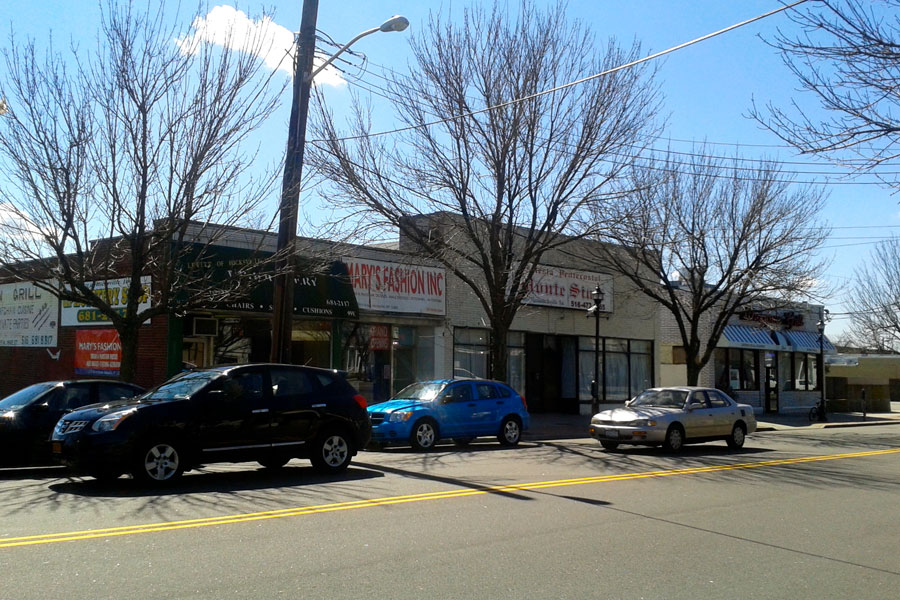
Nassau County is a suburban county located on Long Island, immediately east of New York City. It is bordered by Queens County to the west, Suffolk County to the east, the Long Island Sound to the north, and the Atlantic Ocean and South Shore bays to the south.
With a population of about 1.4 million residents, Nassau County is one of New York State’s most populous counties. It is known for established residential communities, strong transportation access, major parks, beaches, shopping areas, colleges, hospitals, historic sites, and proximity to both Manhattan and Long Island’s eastern destinations.
History
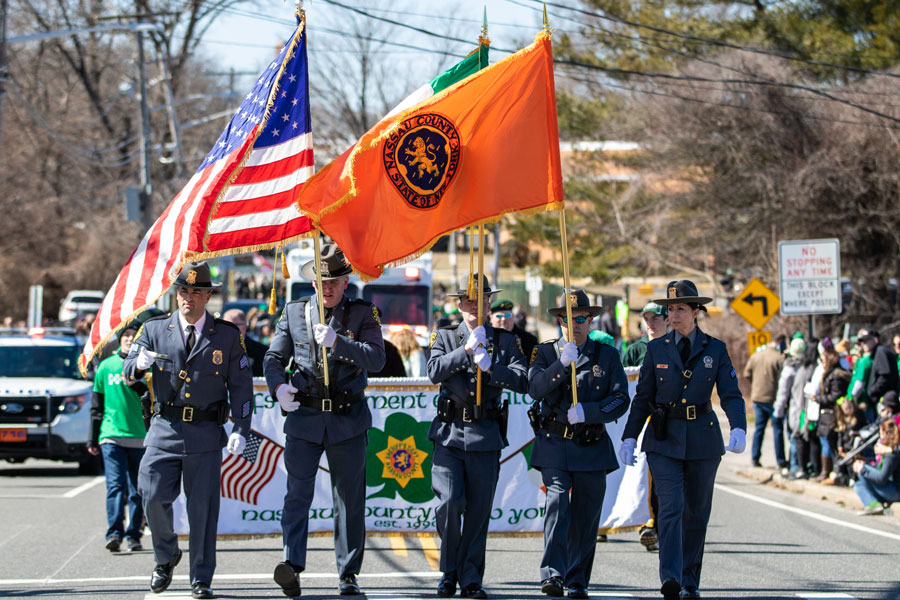
Originally part of Queens County, Nassau County was established in 1899 when the eastern towns of Hempstead, North Hempstead, and Oyster Bay did not become part of the consolidated City of New York. The county was named after the House of Nassau, reflecting the region’s Dutch colonial heritage.
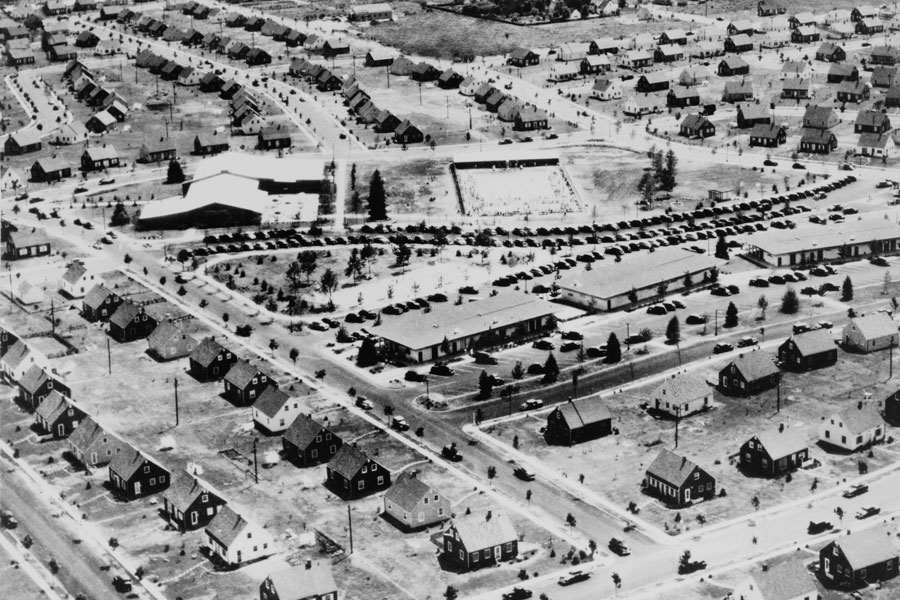
Over time, Nassau County transformed from farmland and small villages into one of the nation’s best-known suburban counties. The postwar development of Levittown in the late 1940s became a defining moment in American suburban history, helping shape the pattern of middle-class suburban growth that spread across the country after World War II.
Geography
Nassau County covers about 453 square miles in total, including approximately 285 square miles of land and about 169 square miles of water. Its geography includes North Shore harbors and peninsulas, central residential and commercial areas, and South Shore barrier beaches, bays, canals, and waterfront communities.
The county includes two cities, three towns, dozens of incorporated villages, and many unincorporated hamlets. Major communities and destinations include Hempstead, Mineola, Garden City, Long Beach, Freeport, Oyster Bay, Great Neck, Port Washington, and Roslyn.
Demographics
Nassau County is home to roughly 1.4 million residents and is one of the largest counties in New York State by population. The county includes long-established suburban communities as well as highly diverse neighborhoods with White, Hispanic, Asian, Black, and multi-ethnic populations.
This diversity is reflected in Nassau County’s schools, business districts, houses of worship, restaurants, cultural organizations, and civic life. Communities across the county range from dense downtown villages and transit-oriented areas to waterfront neighborhoods, historic estates, and quiet residential subdivisions.
Economy
Nassau County has one of the largest county economies in New York, with a gross domestic product of about $130.2 billion in 2024. The county’s median household income was about $146,202 for the 2020–2024 period, reflecting its long-standing status as one of the more affluent suburban counties in the United States.
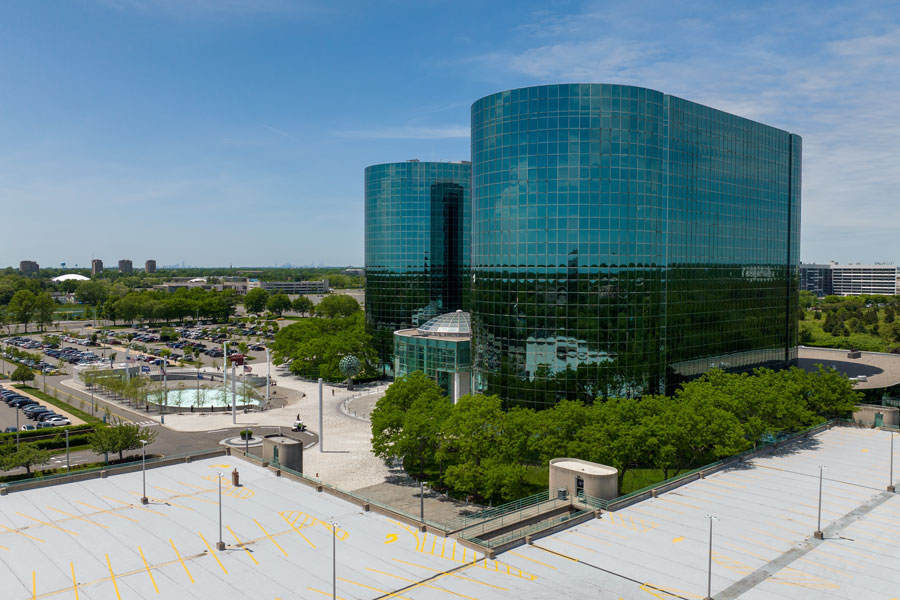
Key sectors include healthcare, education, finance, professional services, retail, construction, technology, hospitality, and local government. Major employment centers are located in and around Garden City, Mineola, Uniondale, Hicksville, Westbury, and other central Nassau business corridors.
Transportation
Nassau County has a dense transportation network that connects local communities with New York City, Suffolk County, and the rest of Long Island. Its transportation system includes commuter rail, buses, parkways, expressways, local roads, and nearby airport access.
- Public Transit: The Nassau Inter-County Express (NICE) bus system provides local and regional bus service throughout Nassau County.
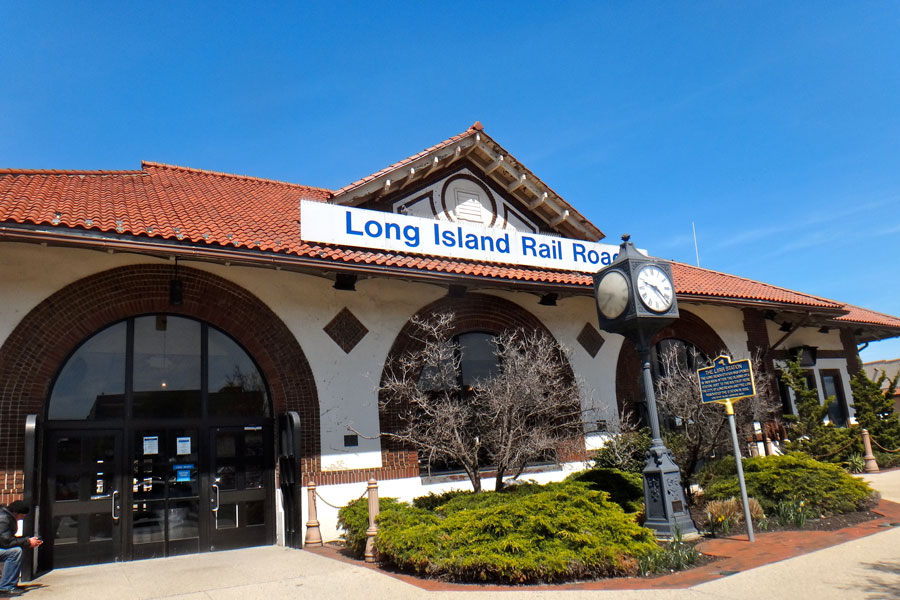
- Rail Service: The Long Island Rail Road (LIRR) operates multiple branches and stations across Nassau County, connecting communities to Penn Station, Grand Central Madison, Atlantic Terminal, and other destinations.
- Major Highways: The county is served by the Long Island Expressway (I-495), Northern State Parkway, Southern State Parkway, Meadowbrook State Parkway, Wantagh State Parkway, Seaford-Oyster Bay Expressway, and other major routes.
Education
Nassau County is widely associated with strong public schools, extensive private and parochial school options, and several major higher-education institutions. The county includes more than 50 public school districts serving communities with varied enrollment sizes, tax bases, and academic programs.
- Public Schools: Nassau County school districts are known for academic programs, extracurricular activities, athletics, arts education, and community involvement.
- Higher Education: Colleges and universities include Hofstra University, Adelphi University, Nassau Community College, Long Island University, and New York Institute of Technology.
Government
Nassau County operates under a county executive-legislature form of government. The county executive oversees county administration, while the 19-member Nassau County Legislature represents legislative districts, enacts local laws, approves budgets, and provides oversight of county operations.
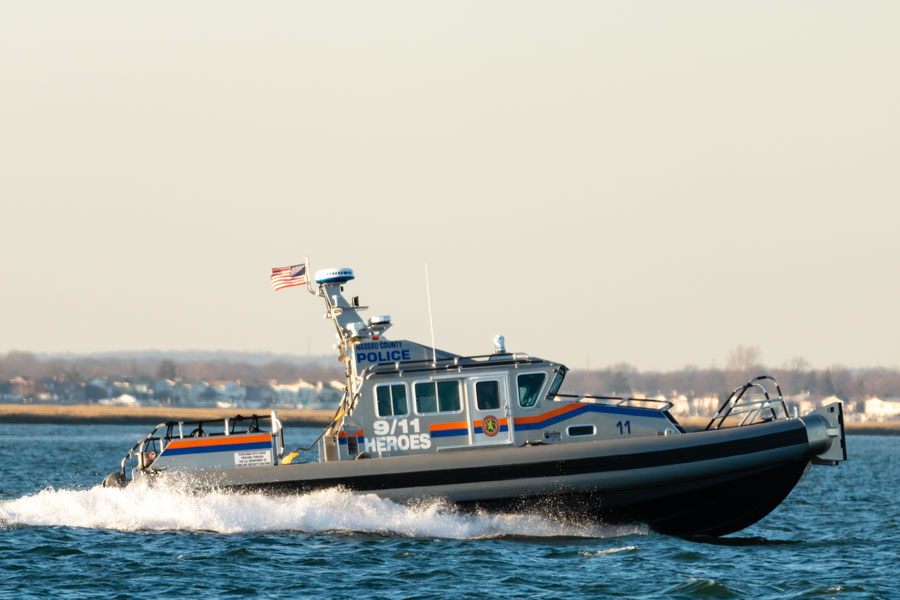
The county seat is Mineola, and major county services include public safety, public works, health programs, parks, social services, emergency management, and administrative offices. The Nassau County Police Department provides police service across much of the county, while some cities and villages maintain their own police departments.
Attractions
Nassau County offers a broad mix of beaches, parks, museums, historic estates, shopping districts, entertainment venues, and waterfront communities. Its location close to New York City makes it accessible for day trips while still offering a distinctly Long Island setting.
- Jones Beach State Park: A major oceanfront state park with beaches, a boardwalk, recreation areas, and concert facilities.
- Old Westbury Gardens: A historic estate with landscaped gardens, mansion tours, and seasonal events.
- Nassau Veterans Memorial Coliseum: A multi-purpose indoor arena used for sports, concerts, exhibitions, and special events.
- Cradle of Aviation Museum: A major museum highlighting Long Island’s aviation and aerospace history.
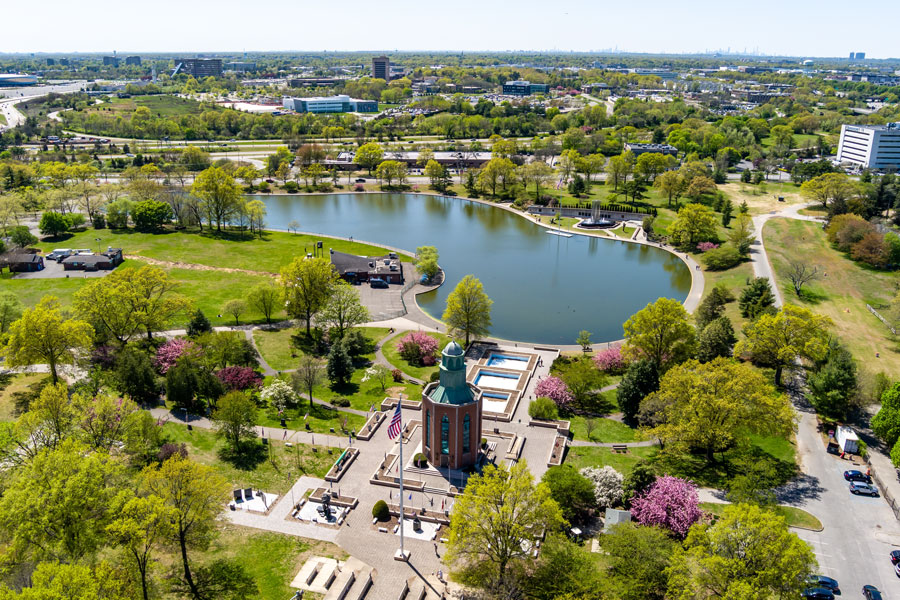
- Eisenhower Park: A large public park in East Meadow offering golf, sports fields, walking paths, memorials, and recreation areas.
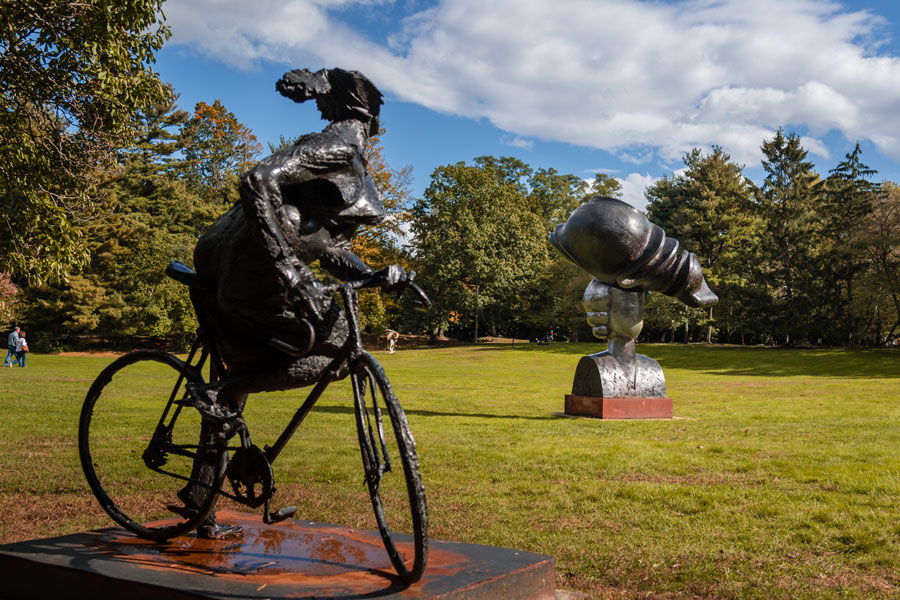
- Nassau County Museum of Art: A museum and sculpture garden located in Roslyn Harbor.
- Roosevelt Field Mall: One of the region’s largest shopping centers, located in Garden City and East Garden City.
Nassau County, New York
Key Facts & Details
| County | Nassau County |
|---|---|
| Location | Western Long Island, immediately east of New York City |
| County Seat | Mineola |
| Founded | 1899 |
| Population | About 1.4 million residents |
| Total Area | About 453 square miles |
| Land Area | About 285 square miles |
| Towns | Hempstead, North Hempstead, and Oyster Bay |
| Cities | Long Beach and Glen Cove |
| Major Rail Service | Long Island Rail Road |
| Bus System | Nassau Inter-County Express (NICE) |
| Major Highways | Long Island Expressway, Northern State Parkway, Southern State Parkway, Meadowbrook State Parkway, and Wantagh State Parkway |
| Known For | Suburban communities, beaches, schools, parks, shopping, historic estates, and proximity to New York City |
| Major Attractions | Jones Beach State Park, Old Westbury Gardens, Cradle of Aviation Museum, Eisenhower Park, and Nassau County Museum of Art |
Overall, Nassau County remains one of Long Island’s most important population, transportation, education, and economic centers. Its combination of suburban neighborhoods, coastal access, historic communities, public parks, cultural institutions, and direct connections to New York City make it a major part of both Long Island and the wider New York metropolitan region.
Are you ready for fall on Long Island? Check out these local seasonal guides:
🍎 Apple Picking | 🍂 Fall Festivals & Farm Activities | 👻 Haunted Houses | 🎃 Pumpkin Picking