
Long Island Ferries
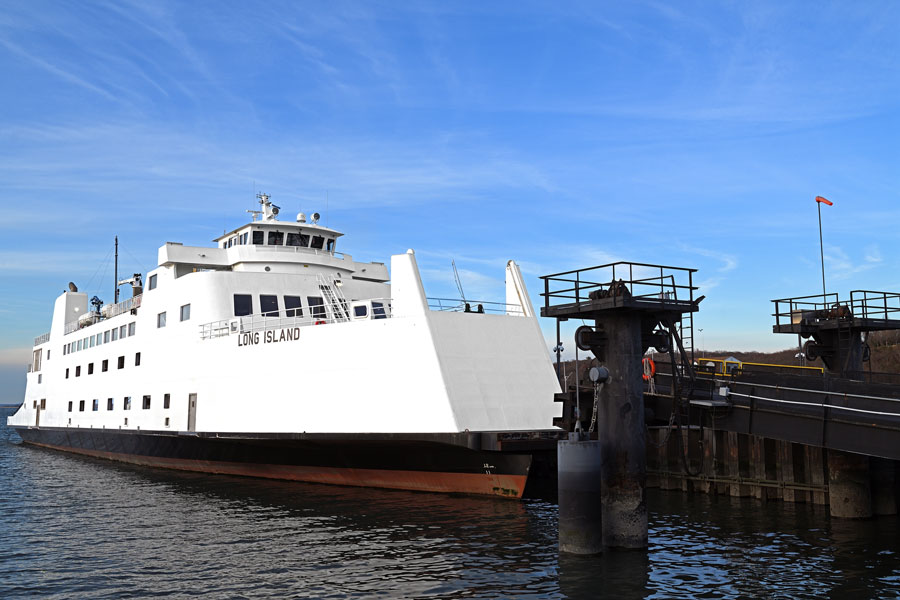
Long Island ferries provide essential transportation between Long Island, Connecticut, Rhode Island, Fire Island, Shelter Island, and numerous waterfront communities throughout the Northeast. Whether carrying automobiles across Long Island Sound, connecting visitors with barrier island beaches, or providing the only practical access to island communities without bridges, ferries remain an important part of everyday travel for residents, commuters, vacationers, and commercial traffic.
Unlike many coastal regions, Long Island depends on several distinct ferry systems that serve different purposes. Some routes operate year-round and accommodate both vehicles and walk-on passengers, while others provide seasonal passenger service to beach communities, vacation destinations, and neighboring states. Together, these ferries help reduce driving time, improve regional connectivity, and offer scenic alternatives to traveling through heavily congested highways and bridges.
Connecticut Ferry Service
The two primary ferry routes connecting Long Island with Connecticut are the Cross Sound Ferry and the Port Jefferson Ferry. Together, these services provide convenient alternatives to driving west through Nassau County, Queens, New York City, and the metropolitan highway network before heading back north into New England.
Both routes accommodate vehicles and walk-on passengers while offering direct crossings of Long Island Sound. They are widely used by vacationers, commercial drivers, day-trippers, and residents traveling between Long Island and Connecticut throughout the year.
Cross Sound Ferry
The Cross Sound Ferry operates between the Orient Point Ferry Terminal on the North Fork and New London, Connecticut. The route serves both passenger and vehicle traffic and is one of the most heavily traveled ferry crossings serving eastern Long Island.
Because it eliminates the need to drive through New York City, the Cross Sound Ferry is especially popular with travelers heading toward coastal Connecticut, Rhode Island, Massachusetts, and northern New England. Visitors also use the ferry while exploring nearby destinations including Greenport, Orient, Southold, and Orient Beach State Park.
Port Jefferson Ferry
The Port Jefferson Ferry connects the historic waterfront village of Port Jefferson with Bridgeport, Connecticut. Operated year-round, the route carries both vehicles and walk-on passengers while providing another important crossing of Long Island Sound.
The ferry is particularly convenient for travelers from central and western Suffolk County, allowing them to bypass the busy highway system surrounding New York City. In addition to serving commuters and commercial traffic, the route supports tourism by connecting visitors with Port Jefferson’s restaurants, harbor, shops, marinas, and nearby communities such as Stony Brook, Setauket, and Port Jefferson Station.
Block Island Ferry
The Block Island Ferry provides seasonal passenger service between Greenport and Block Island, Rhode Island. Crossing Block Island Sound, the ferry offers one of the most scenic routes departing from eastern Long Island while providing convenient access to one of New England’s most popular island destinations.
Many travelers combine a visit to Block Island with time spent exploring the North Fork’s wineries, farm stands, waterfront villages, and beaches. During the operating season, the ferry is popular with vacationers, cyclists, hikers, photographers, and day-trippers seeking an enjoyable alternative to traveling through Connecticut before reaching Rhode Island.
Shelter Island Ferries
Shelter Island ferries provide the only public vehicle access to Shelter Island, which has no bridge connecting it to the rest of Long Island. The island is served by two separate ferry routes: the North Ferry between Greenport and Shelter Island, and the South Ferry between Shelter Island and the North Haven area near Sag Harbor.
Although both crossings are relatively short, they play an essential role in everyday transportation for residents, businesses, emergency services, and visitors exploring the East End. Many travelers also use the ferries as part of a scenic drive between the North Fork and the Hamptons, avoiding the longer drive around western Suffolk County while experiencing one of Long Island’s most picturesque island communities.
Fire Island Ferries
Fire Island ferry service connects mainland South Shore communities with the villages, hamlets, and beaches of Fire Island. Because most of Fire Island has little or no regular automobile access, ferries serve as the primary means of transportation for residents, seasonal homeowners, workers, and visitors throughout much of the year.
Passenger ferries depart from several mainland terminals, including Bay Shore, Sayville, Patchogue, and other South Shore communities, serving destinations such as Ocean Beach, Kismet, Fair Harbor, Dunewood, Seaview, Cherry Grove, Fire Island Pines, Davis Park, and numerous other Fire Island communities. Passenger volumes increase dramatically during the summer as beaches, restaurants, marinas, and seasonal homes attract visitors from throughout the New York metropolitan area.
Several ferry operators serve Fire Island, including Fire Island Ferries from Bay Shore and Sayville Ferry Service from Sayville. While both provide passenger service to Fire Island, each operator serves different communities and maintains its own schedules, terminals, and ticketing policies.
Ferry Terminals and Transportation Connections
Most Long Island ferry terminals are conveniently located near downtown business districts, marinas, public parking, and major highways. Several terminals are also accessible by the Long Island Rail Road, making it possible for visitors to reach many ferry departures without driving. Greenport, Port Jefferson, Bay Shore, Patchogue, and Sayville all provide transportation connections that simplify travel to nearby ferry terminals.
Parking availability varies by terminal and season. While some ferry operators maintain dedicated parking facilities, others rely on nearby municipal lots or private parking services. During busy weekends and holidays, travelers should allow additional time for parking, ticketing, and boarding.
Planning Your Ferry Trip
Each ferry operator maintains its own schedules, ticket policies, baggage limits, and boarding procedures. Vehicle ferries serving Connecticut and Shelter Island may require advance reservations during periods of heavy demand, while passenger ferries serving Fire Island and Block Island often experience their highest ridership during the summer travel season.
Many routes accommodate bicycles, and some also permit pets under specific guidelines. Travelers should review current schedules, weather advisories, parking information, accessibility accommodations, and seasonal operating dates before departing. Because weather, tides, and marine conditions can occasionally affect ferry operations, checking for service updates before arriving at the terminal is always recommended.
Whether traveling across Long Island Sound, visiting Fire Island, exploring Shelter Island, or taking a seasonal trip to Block Island, Long Island’s ferry system offers an enjoyable and practical alternative to driving while providing some of the region’s most scenic waterfront views.
Key Facts & Details
| Feature | Information |
|---|---|
| Major Ferry Services | Cross Sound Ferry, Port Jefferson Ferry, Block Island Ferry, Shelter Island Ferries, Fire Island Ferries, and Sayville Ferry Service |
| Year-Round Vehicle Ferries | Cross Sound Ferry, Port Jefferson Ferry, and Shelter Island Ferries |
| Seasonal Passenger Ferries | Block Island Ferry, Fire Island Ferries, and Sayville Ferry Service |
| States Connected | New York, Connecticut, and Rhode Island |
| Primary Connecticut Routes | Orient Point to New London and Port Jefferson to Bridgeport |
| Island Destinations | Fire Island, Shelter Island, and Block Island |
| Major Mainland Ferry Terminals | Orient Point, Port Jefferson, Greenport, Bay Shore, Sayville, and Patchogue |
| Waterways Crossed | Long Island Sound, Block Island Sound, Great South Bay, and other South Shore bays |
| Transportation Connections | Long Island Rail Road, local roads, downtown business districts, and public parking facilities |
| Typical Travelers | Residents, commuters, tourists, cyclists, seasonal visitors, and commercial traffic |
Long Island’s ferry network provides far more than transportation across the region’s waterways. From year-round vehicle crossings linking Long Island with Connecticut to seasonal passenger ferries serving Fire Island, Shelter Island, and Block Island, these routes connect communities that would otherwise require lengthy drives or have no practical land access at all. Whether planning a weekend getaway, commuting between states, or exploring the East End, Long Island’s ferries continue to play an important role in the region’s transportation system while offering some of the most scenic travel experiences in the Northeast.
Are you ready for fall on Long Island? Check out these local seasonal guides:
🍎 Apple Picking | 🍂 Fall Festivals & Farm Activities | 👻 Haunted Houses | 🎃 Pumpkin Picking