
Manhattan (New York City)
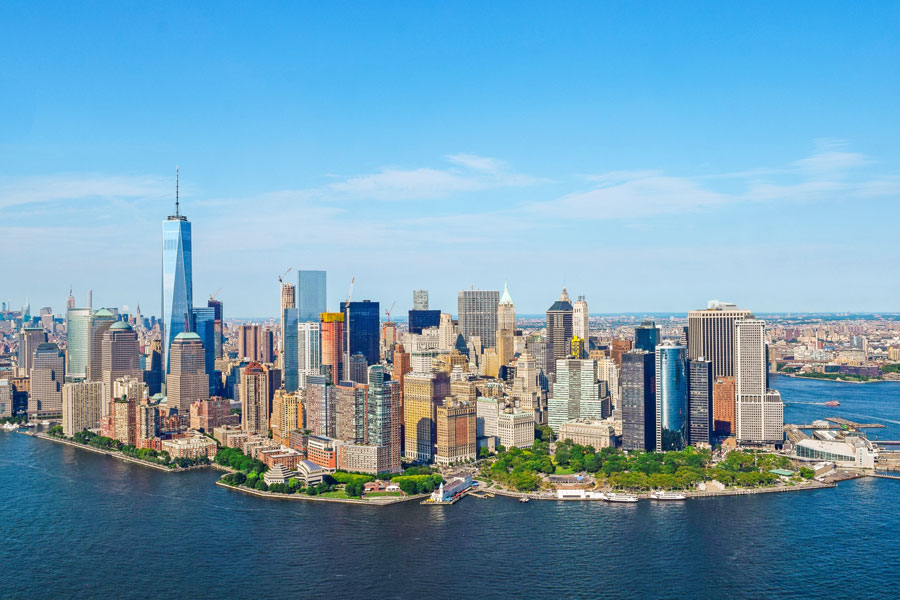
Manhattan, the beating heart of New York City, is one of the most iconic urban centers in the world. From the bright lights of Times Square to the tranquil paths of Central Park, from world-renowned museums to historic neighborhoods, Manhattan offers an unmatched blend of energy, elegance, and influence. It’s a place where skyscrapers define the skyline, ideas spread quickly, and nearly every block has a story to tell.
Located on an island between the Hudson River, East River, and Harlem River, Manhattan is the smallest New York City borough by land area but the most densely populated. With roughly 1.6 million residents and millions more arriving for work, school, and tourism, Manhattan remains a global crossroads. It is home to Wall Street, Broadway, the United Nations headquarters, and many major media, finance, technology, and cultural institutions.
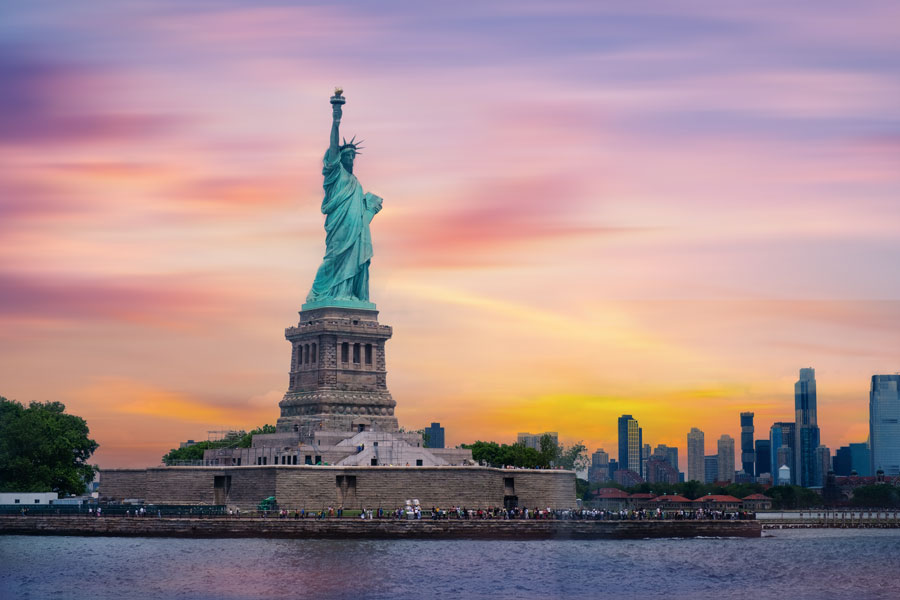
Visitors to Manhattan will find endless ways to engage with the city – from walking the High Line to browsing Fifth Avenue, taking the Staten Island Ferry for harbor views of the Statue of Liberty, or discovering food from around the world. Whether it’s your first trip or your fiftieth, the borough offers something new around nearly every corner.
Top Attractions in Manhattan
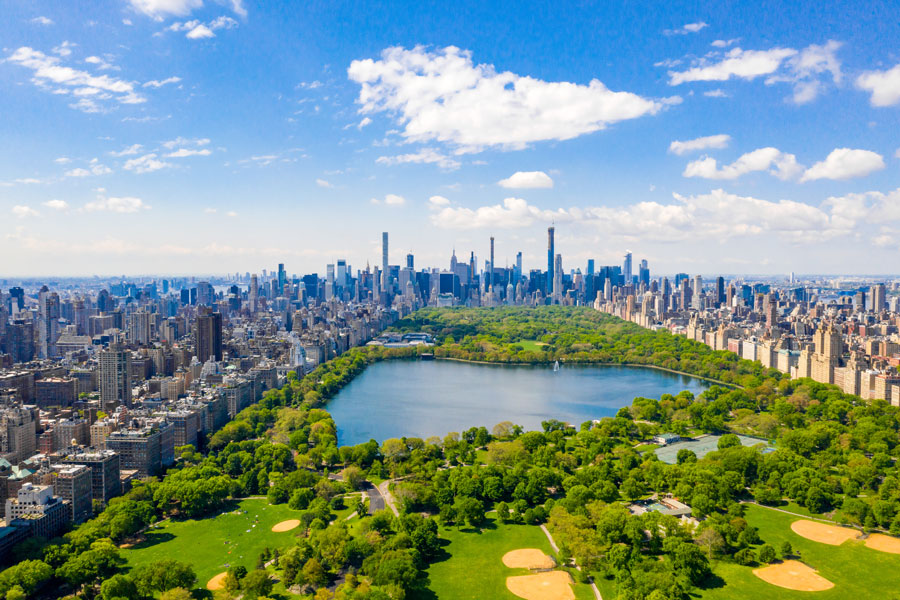
- Central Park – A sprawling urban oasis offering walking paths, lawns, playgrounds, lakes, seasonal events, and iconic views in the middle of the city.
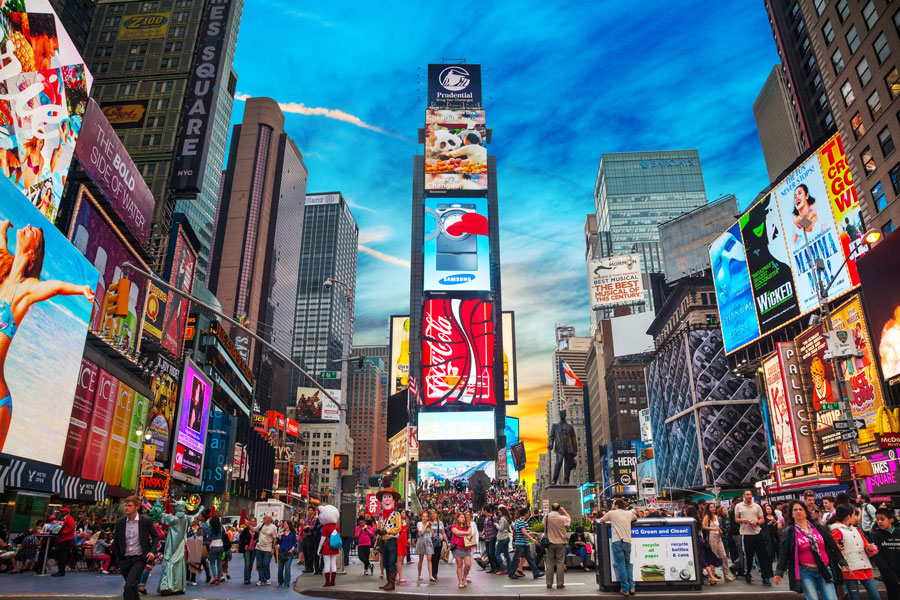
- Times Square – The world-famous intersection of lights, screens, and Broadway theaters that draws millions annually.
- Empire State Building – An enduring symbol of New York City with sweeping views from its observation decks.
- The Metropolitan Museum of Art – One of the largest and most comprehensive art museums in the world.
- Broadway & the Theater District – The pinnacle of American stage performance with world-class productions throughout the year.
- Statue of Liberty & Ellis Island – Reached by ferry from Lower Manhattan, these historic landmarks help tell the story of immigration, freedom, and New York Harbor.
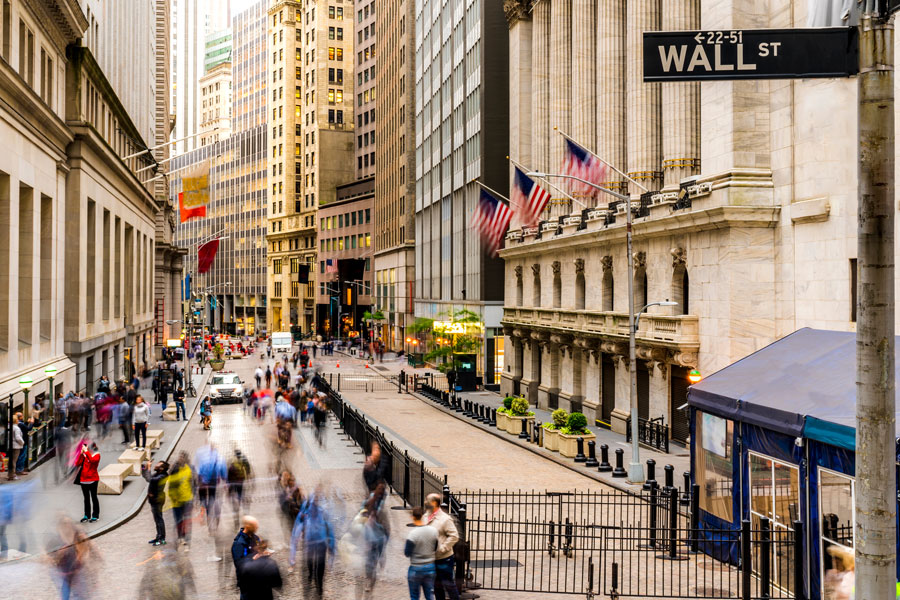
- Wall Street & the Financial District – A hub of global finance and home to the New York Stock Exchange, Federal Hall, and the Charging Bull area near Bowling Green.
- 9/11 Memorial & Museum – A powerful and moving tribute to the lives lost and the resilience of the city.
- The High Line – An elevated park built on a former rail line offering art, gardens, and a unique view of Manhattan’s West Side.
Popular observatories, Broadway shows, museums, and ferry-based attractions can sell out in busy seasons. Hours, security procedures, and reservation requirements may change, so it’s smart to check ahead before visiting.
What Manhattan Is Known For
Manhattan is often synonymous with New York City itself. It’s known for its iconic skyline, major cultural institutions, world-class dining, fast pace, and global influence. From financial markets to fashion, from publishing to performing arts, it’s a place where trends begin and history is made. Manhattan is also known for its neighborhoods – Harlem, SoHo, the Upper East Side, Greenwich Village, Chinatown, the Lower East Side, Chelsea, Tribeca, and many more – each with a distinct identity and sense of place.
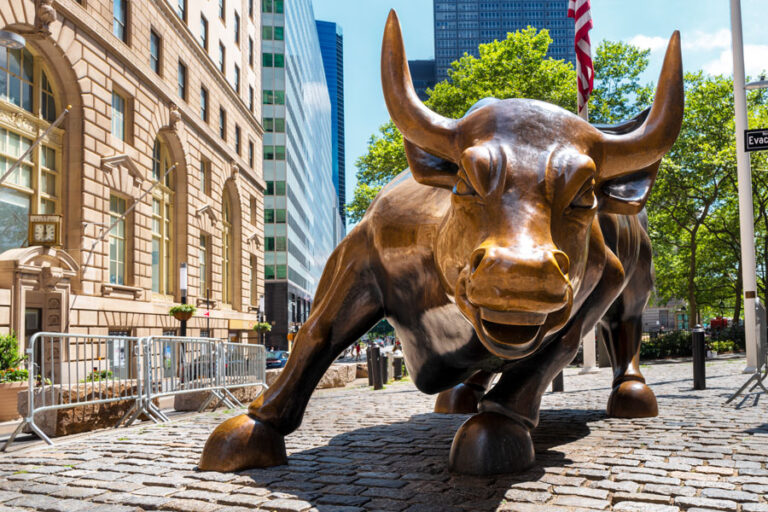
A Few Fun Facts About Manhattan
- A widely repeated story says Dutch colonists acquired Manhattan from Indigenous people in 1626 for trade goods later valued at about $24, though historians note that comparison is oversimplified and debated.
- Central Park spans 843 acres and, while it looks natural, much of it was carefully designed and landscaped in the 19th century.
- Grand Central Terminal has 44 platforms, making it one of the largest rail terminals in the world by platform count.
- Lower Manhattan was among the earliest areas of present-day New York City to be developed by Europeans and remains one of its most historically significant districts.
- The name “Manhattan” is widely believed to derive from the Lenape word Manahatta, often translated as “island of many hills.”
Manhattan Summary Snapshot
- Part of: New York City (one of five boroughs)
- Population: About 1.6 million residents, with millions more commuters and visitors
- Region: Island between the Hudson River, East River, and Harlem River
- Known For: Times Square, Wall Street, Central Park, Broadway, museums, and skyline views
- Landmark Parks: Central Park, The High Line, Battery Park, Washington Square Park
- Cultural Icons: Empire State Building, The Met, Rockefeller Center, Statue of Liberty access
- Must-See: Broadway shows, the 9/11 Memorial, Top of the Rock, Fifth Avenue, neighborhood walks
- Ideal For: Sightseers, theater lovers, history buffs, food lovers, museumgoers, and urban explorers
Getting Around Manhattan
Manhattan is one of the easiest places in the region to explore without a car. Visitors commonly use the subway, local buses, taxis, ride-shares, ferries, and commuter rail links such as the Long Island Rail Road and Metro-North. Walking is often the best way to experience neighborhoods, but distances can be longer than they appear on a map. Transit routes, elevator access, weekend service changes, and fares can shift, so check current service details before heading out.
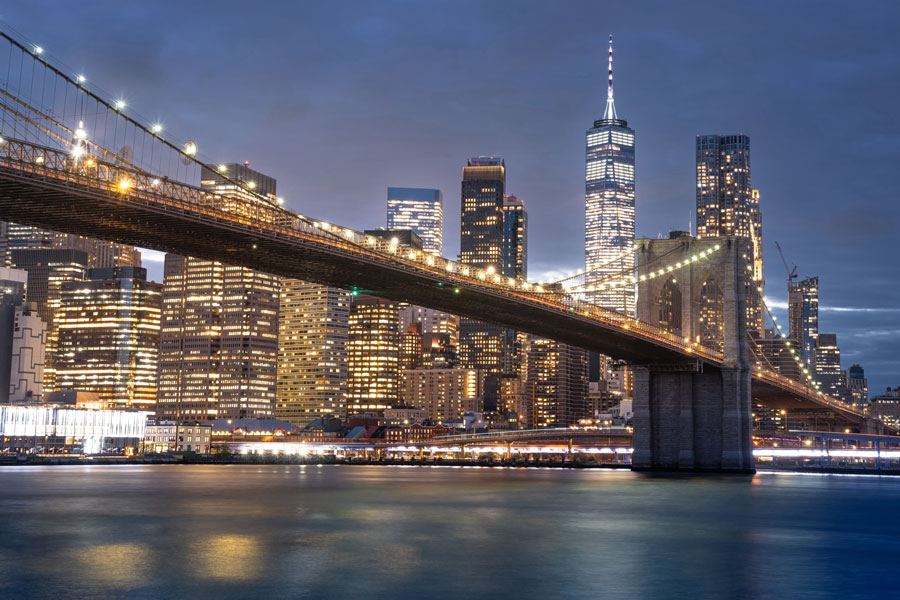
How Manhattan Connects to Long Island
While Manhattan and Long Island are geographically distinct, they’re deeply connected through history, transit, work, and everyday life. Thousands of Long Islanders commute into Manhattan each day via the Long Island Rail Road, and many Long Island families have roots in the city. Whether catching a Broadway show, working in Midtown, meeting friends downtown, or spending a day at the museums and parks, visiting Manhattan is a regular part of life for many Long Islanders.
Manhattan
Key Facts & Details
| Category | Details |
|---|---|
| Borough | One of the five New York City boroughs |
| County | New York County |
| Population | Approximately 1.6 million residents |
| Known For | Times Square, Central Park, Broadway, Wall Street, world-class museums, and iconic skyline |
| Major Attractions | Statue of Liberty, Empire State Building, 9/11 Memorial, Rockefeller Center, The High Line |
| Transportation | Subway, buses, taxis, ferries, Long Island Rail Road, Metro-North, PATH, and commuter rail |
| Nearby to Long Island | Connected via the Long Island Rail Road, Queens-Midtown Tunnel, Williamsburg Bridge, Queensboro Bridge, Brooklyn Bridge, and Manhattan Bridge |
| Region | Located between the Hudson River, East River, and Harlem River |
| Best For | Sightseeing, museums, theater, shopping, dining, architecture, history, and business |
Whether you’re visiting for a Broadway performance, exploring world-renowned museums, strolling through Central Park, or taking in the skyline from one of its famous observation decks, Manhattan offers an experience unlike anywhere else in the world. Its remarkable blend of history, culture, commerce, entertainment, and innovation has made it one of the planet’s most recognizable destinations. For many residents of Long Island, Manhattan is more than a neighboring borough – it is a place for work, recreation, education, and unforgettable experiences, making it an essential part of the greater New York region.
Are you ready for fall on Long Island? Check out these local seasonal guides:
🍎 Apple Picking | 🍂 Fall Festivals & Farm Activities | 👻 Haunted Houses | 🎃 Pumpkin Picking