
Bridges & Tunnels
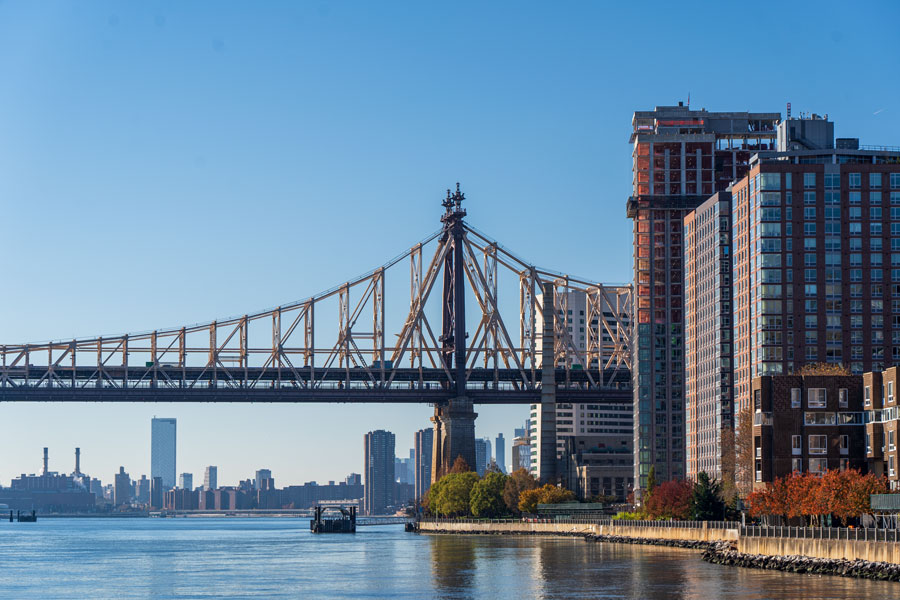
Long Island’s bridges and tunnels form some of the most important transportation links in the New York metropolitan region, connecting the island to New York City, the Bronx, and neighboring parts of the Northeast.
Whether traveling between Long Island and Manhattan, commuting from Queens and Brooklyn, or heading toward upstate New York and New England, millions of drivers rely on these crossings every year. Many of the region’s major bridges and tunnels are operated by the Metropolitan Transportation Authority (MTA), while others are maintained by the Port Authority of New York and New Jersey or the New York City Department of Transportation.
Major Bridges Serving Long Island
The New York metropolitan area contains several major bridge crossings that are essential to Long Island transportation and regional commuting.
Verrazzano-Narrows Bridge
- Connects: Brooklyn and Staten Island
- Importance: Main gateway between Long Island and New Jersey via Staten Island
- Traffic Role: Critical freight and commuter route
- Learn More: Verrazzano-Narrows Bridge
Brooklyn Bridge
- Connects: Brooklyn and Manhattan
- Importance: One of the world’s most famous suspension bridges
- History: Opened in 1883
- Learn More: Brooklyn Bridge
Williamsburg Bridge
- Connects: Brooklyn and Manhattan
- Importance: Major commuter bridge carrying vehicles, pedestrians, cyclists, and subway trains between Brooklyn and Manhattan.
- History: Opened in 1903
- Learn More: Williamsburg Bridge
Manhattan Bridge
- Connects: Brooklyn and Manhattan
- Importance: Major East River crossing carrying vehicles, pedestrians, cyclists, and several New York City subway lines.
- History: Opened in 1909
- Learn More: Manhattan Bridge
Queensboro Bridge
- Connects: Queens and Manhattan
- Also Known As: 59th Street Bridge
- Importance: Major commuter crossing into Midtown Manhattan
- Learn More: Queensboro Bridge
Triborough Bridge (RFK Bridge)
- Connects: Manhattan, Queens, and the Bronx
- Also Known As: Robert F. Kennedy Bridge (RFK Bridge)
- Importance: Major regional crossing providing access between Long Island, Manhattan, and the Bronx
- Traffic Role: Important connector for commuter, commercial, and interstate traffic
- Learn More: Triborough Bridge
Bronx-Whitestone Bridge
- Connects: Queens and the Bronx
- Importance: Key route for travelers heading toward New England
- Traffic Role: Major interstate connector
- Learn More: Bronx-Whitestone Bridge
Throgs Neck Bridge
- Connects: Queens and the Bronx
- Importance: Alternative to the Whitestone Bridge
- Use: Heavy commuter and interstate traffic
- Learn More: Throgs Neck Bridge
Fire Island Inlet Bridge
- Connects: Mainland Long Island with Robert Moses State Park and the western end of Fire Island
- Importance: Principal roadway crossing over Fire Island Inlet and the primary access route to Robert Moses State Park
- Scenic Value: Offers panoramic views of the Atlantic Ocean, Great South Bay, and the Fire Island Lighthouse
- Learn More: Fire Island Inlet Bridge
Major Tunnels Used by Long Island Travelers
Several major tunnels also play an important role in Long Island transportation, particularly for commuters and travelers entering Manhattan.
Queens Midtown Tunnel
- Connects: Queens and Midtown Manhattan
- Importance: Major commuter tunnel beneath the East River
- Use: Popular route from the Long Island Expressway into Manhattan
- Learn More: Queens Midtown Tunnel
Transportation Importance
Long Island’s bridges and tunnels are among the busiest transportation crossings in the United States. They support daily commuting, commercial freight movement, tourism, airport access, and regional travel throughout the Northeast.
These crossings are especially important because Long Island is geographically separated from much of mainland New York by waterways including the East River, Harlem River, Hudson River, and Upper New York Bay.
Traffic congestion on these crossings can significantly impact travel times throughout Nassau County, Suffolk County, Queens, Brooklyn, and Manhattan, especially during rush-hour periods and summer travel weekends.
Related Transportation Infrastructure
Long Island’s bridge and tunnel network works together with the region’s highways, rail systems, airports, ferries, and transit services to support mobility throughout the metropolitan area.
Key Facts and Details
| Region | Long Island and New York Metropolitan Area |
| Main Purpose | Transportation and regional connectivity |
| Primary Crossings | Bridges and tunnels linking Long Island with NYC and surrounding areas |
| Major Operators | MTA, Port Authority, NYC DOT |
| Key Routes | Queens, Brooklyn, Bronx, Manhattan, Staten Island |
| Transportation Role | Commuting, freight, tourism, interstate travel |
| Connected Infrastructure | Highways, railroads, ferries, airports |
Long Island’s bridges and tunnels remain critical parts of the transportation system that connects the island to New York City and the broader Northeast region. From historic suspension bridges to heavily traveled commuter tunnels, these crossings continue to shape how millions of residents, workers, and visitors move throughout the metropolitan area every day.
Are you ready for fall on Long Island? Check out these local seasonal guides:
🍎 Apple Picking 🍓 Strawberry Picking 🎃 Pumpkin Picking 👻 Haunted Houses 🍂 Farm Festivals