
South Shore Coastal Communities

The South Shore of Long Island is a vibrant and diverse region that stretches along the southern edge of the island, facing the Atlantic Ocean and extending from the New York City borough of Queens to the eastern reaches of Suffolk County. Known for its expansive beaches, barrier islands, maritime culture, and longstanding middle-class and working-class communities, the South Shore stands in contrast to the more elevated and historically estate-oriented North Shore. It is defined by its flat terrain, bayfront communities, and strong ties to boating, fishing, tourism, and suburban living.
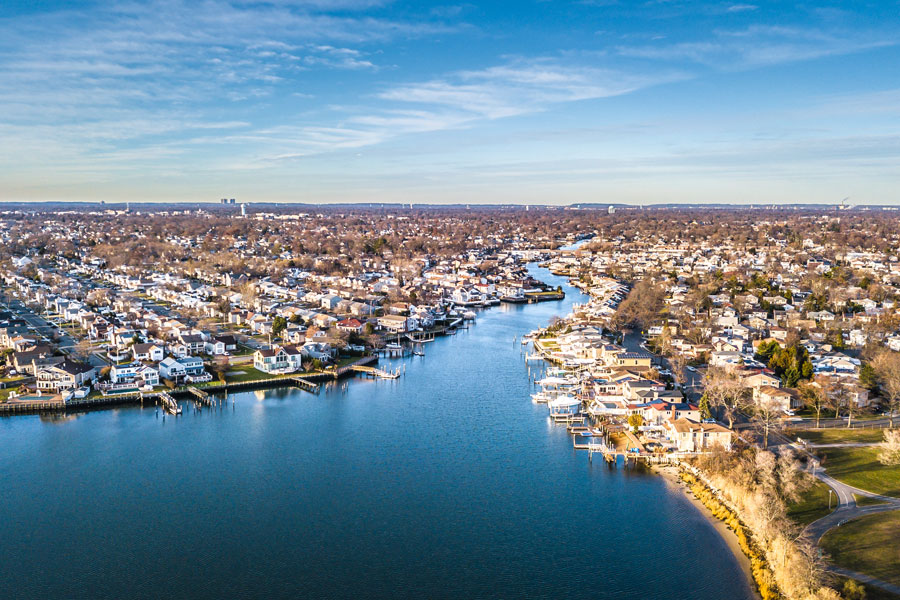
Geographically, the South Shore includes a series of interconnected towns and hamlets situated between the mainland of Long Island and a chain of barrier islands that buffer the coast from the open Atlantic Ocean. These barrier islands include Fire Island and Jones Beach Island, as well as communities such as Westhampton Dunes, many of which are home to well-known beaches, boardwalks, and protected parklands. The region is interwoven with a network of tidal bays and canals, including Great South Bay, Moriches Bay, and Shinnecock Bay, which not only contribute to the area’s natural beauty but also support extensive marshlands and marine ecosystems.
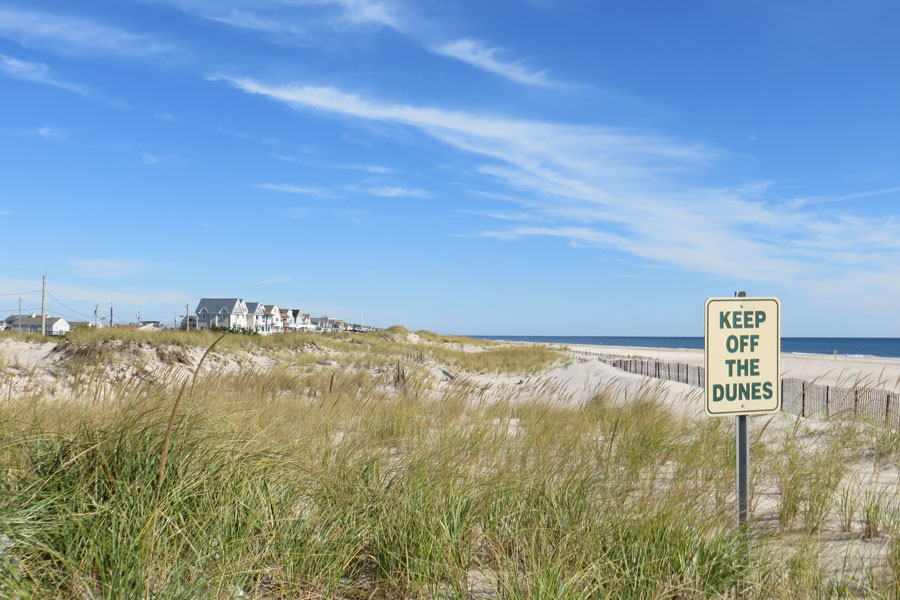
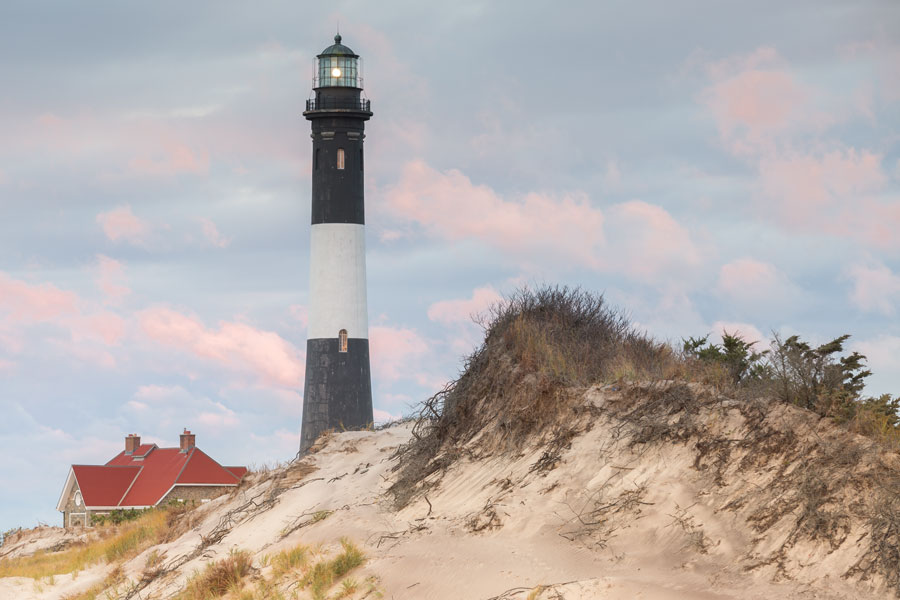
The South Shore has long played an important role in the island’s development. It was originally settled by Dutch and English colonists in the 17th century, and over time, many of its towns grew into working waterfront communities centered around fishing, boat building, and maritime trade. This legacy continues today, especially in towns like Freeport, Bay Shore, and Patchogue, where active marinas, commercial fishing fleets, and seafood restaurants are central to local culture and commerce. Fire Island, just offshore, became a seasonal destination in the early 20th century and continues to be a beloved getaway spot known for its car-free communities, natural dunes, and eclectic beach towns.
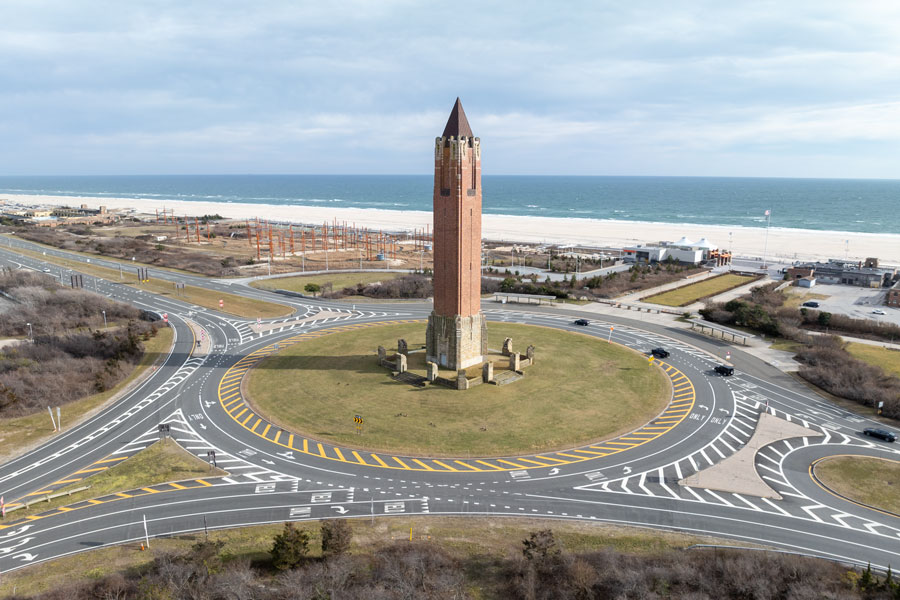
One of the South Shore’s most defining features is its public access to the coast. The area is home to some of the most famous and heavily visited beaches on the East Coast, including Jones Beach State Park, Robert Moses State Park, and Smith Point County Park. Jones Beach State Park, in particular, has drawn millions of visitors since its creation in the 1920s by urban planner Robert Moses and remains a symbol of New York’s summertime recreation. These parks offer not only swimming and sunbathing but also fishing piers, nature trails, outdoor concerts, and family-friendly amenities. The coastline is also protected by a number of environmental initiatives aimed at preserving sand dunes, bird nesting areas, and marine habitats.
Inland, the South Shore is marked by a mix of suburban neighborhoods, commercial corridors, and bustling downtowns. Communities such as Rockville Centre, Baldwin, Babylon, Sayville, and Patchogue have evolved into lively hubs with walkable business districts, train access via the Long Island Rail Road, and a growing emphasis on dining, entertainment, and the arts. Patchogue, for example, has undergone a significant revitalization in recent years, attracting visitors with its waterfront park, restored theater, and craft brewery scene. Further east, towns like Bellport and Westhampton Beach offer a quieter, more upscale beach-town experience with historic homes and boutique shops.
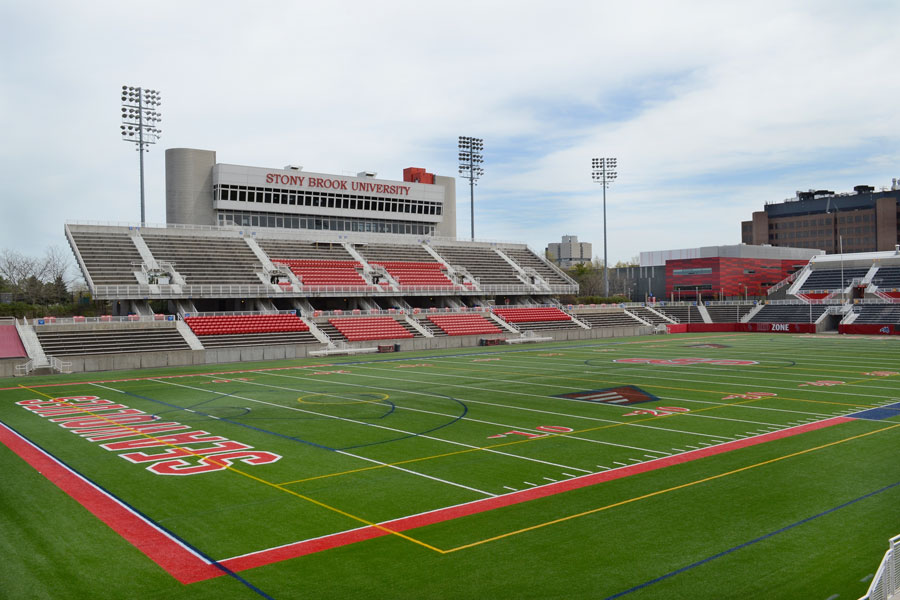
Economically, the South Shore supports a wide range of industries, from tourism and marine services to healthcare, construction, and retail. The proximity to John F. Kennedy International Airport in nearby Queens also plays a major role in regional logistics and employment. Education is another strength, with several well-regarded public school districts including Wantagh, Sayville, and West Islip. Suffolk County Community College maintains campuses in the region, while institutions such as Stony Brook University and Farmingdale State College also serve many students from South Shore communities.
Culturally, the South Shore has a strong sense of local identity and community pride. Annual festivals, parades, and waterfront events are common, celebrating everything from maritime heritage and seafood to music and the arts. The region also has a deep connection to military service and first responders, with many residents employed in law enforcement, fire services, healthcare, and the armed forces. This civic-minded spirit is reflected in the area’s numerous volunteer fire departments, community organizations, and veterans’ groups.

The South Shore of Long Island is also more vulnerable to coastal storms and flooding, especially during hurricane season. Communities along the water have faced major challenges from storms like Hurricane Sandy in 2012, which caused widespread flooding and damage. Since then, extensive efforts have been made to reinforce shorelines, raise infrastructure, and enhance emergency preparedness. Despite these risks, the appeal of coastal living remains strong, with real estate ranging from modest canalfront homes to luxurious oceanfront estates.
Key Facts & Details
| Location | Southern shoreline of Long Island facing the Atlantic Ocean |
|---|---|
| Counties | Nassau County and Suffolk County |
| Western Boundary | Queens border and Jamaica Bay area |
| Eastern Extent | Westhampton Beach and the South Fork region |
| Known For | Beaches, barrier islands, boating, fishing, waterfront communities, and coastal recreation |
| Landscape | Flat coastal terrain, tidal bays, canals, marshlands, and barrier islands |
| Waterfront | Atlantic Ocean, Great South Bay, Moriches Bay, and Shinnecock Bay |
| Popular Communities | Freeport, Babylon, Bay Shore, Patchogue, Sayville, Rockville Centre, Westhampton Beach |
| Major Attractions | Jones Beach State Park, Robert Moses State Park, Fire Island National Seashore, Jones Beach Theater |
| Popular Activities | Swimming, boating, fishing, surfing, beachgoing, dining, and waterfront events |
| Transportation | Long Island Rail Road Babylon and Montauk branches, Ocean Parkway, Sunrise Highway, and Southern State Parkway |
In summary, the South Shore of Long Island is a dynamic region that offers something for everyone – from beachgoers and boaters to commuters and lifelong residents. Its blend of recreational opportunities, historical roots, cultural diversity, and ocean access make it one of the most distinctive and desirable regions in New York State. Whether you’re walking the boardwalk at Jones Beach, exploring the fishing docks of Freeport, or watching the sunset over Great South Bay, the South Shore embodies the spirit of Long Island’s coastal charm.
Are you ready for fall on Long Island? Check out these local seasonal guides:
🍎 Apple Picking 🍓 Strawberry Picking 🎃 Pumpkin Picking 👻 Haunted Houses 🍂 Farm Festivals