
Long Island Parks
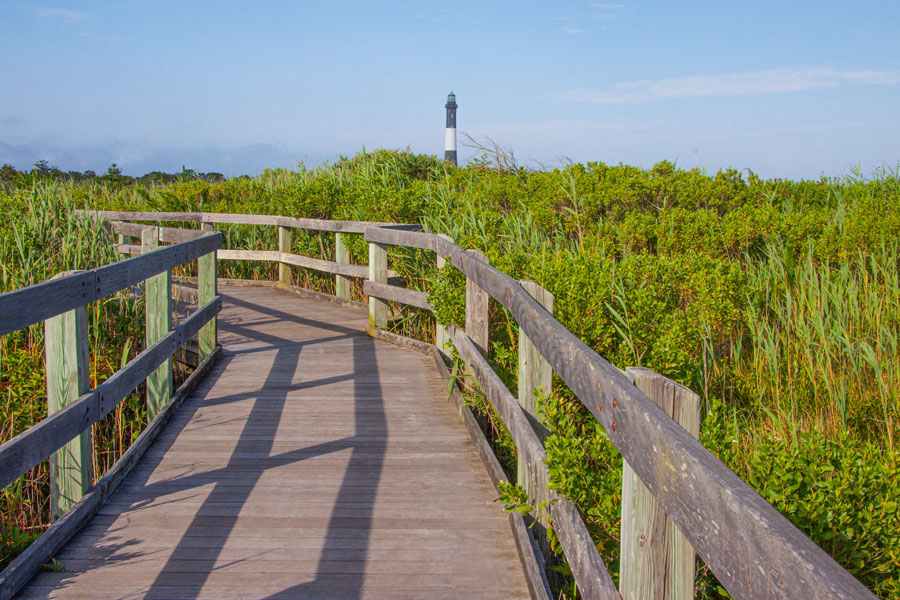
Long Island is home to an unusually diverse collection of state parks, county parks, national historic sites, nature preserves, beaches, campgrounds, arboretums, golf courses, and neighborhood recreation areas. These public lands range from heavily visited oceanfront destinations such as Jones Beach State Park and Robert Moses State Park to quiet woodland preserves, historic estates, freshwater parks, barrier beaches, and undeveloped coastal properties.
This page serves as a broad guide to parks on Long Island, with links to major park destinations in Nassau County and Suffolk County. It also includes official 2024 attendance figures for 30 New York State park properties, showing which parks receive the most visits and how attendance differs among beaches, preserves, golf properties, campgrounds, arboretums, and recreation facilities.
In Short
Long Island’s park system includes ocean beaches, parks along Long Island Sound, recreation areas on the Great South Bay, freshwater lakes, forests, preserves, historic estates, campgrounds, golf courses, and national park properties. The 30 state park facilities included in the attendance ranking below recorded more than 30.3 million visits during 2024. Jones Beach State Park alone recorded more than 9.5 million visits.
Types of Parks on Long Island
Long Island’s public open spaces are administered by several different levels of government and by nonprofit conservation organizations. New York State operates the region’s best-known state parks, including Jones Beach, Robert Moses, Sunken Meadow State Park, Bethpage State Park, and Hither Hills State Park. Nassau and Suffolk counties operate large recreation areas such as Eisenhower Park, Nickerson Beach Park, West Hills County Park, Smith Point County Park, and Cupsogue Beach County Park.
The federal government protects major cultural and natural resources through properties such as Fire Island National Seashore, Sagamore Hill National Historic Site, and the William Floyd Estate. Long Island also contains privately managed and nonprofit preserves, including Mashomack Preserve, Avalon Nature Preserve, Sands Point Preserve, and the Theodore Roosevelt Sanctuary and Audubon Center.
Long Island State Park Attendance
Jones Beach State Park was the most visited New York State park property on Long Island in 2024, recording 9,534,725 visits. Robert Moses State Park ranked second with 3,937,825 visits, followed by Sunken Meadow State Park with 3,528,980.
Together, those three properties accounted for approximately 17 million visits, or about 56% of the attendance recorded among the 30 facilities in this ranking. The figures come from the New York State Park Annual Attendance Figures by Facility dataset maintained by the New York State Office of Parks, Recreation and Historic Preservation.
The chart compares the ten busiest Long Island state park properties in 2024. Bar lengths are measured against Jones Beach, the highest-attendance property.
Why Jones Beach Draws the Largest Crowds
Jones Beach State Park recorded more than twice the attendance of any other state park on Long Island and represented approximately 31% of all visits among the properties included on this page. Its appeal extends beyond its Atlantic Ocean beaches. The park includes a boardwalk, swimming facilities, sports areas, fishing access, dining concessions, large parking fields, seasonal events, and the nearby Jones Beach Theater.
Robert Moses State Park, located at the western end of Fire Island, ranked second. It offers approximately five miles of Atlantic shoreline, swimming beaches, fishing access, picnic areas, and access toward the Fire Island Lighthouse. Sunken Meadow State Park ranked third and combines a beach on Long Island Sound with a boardwalk, golf course, trails, picnic areas, playing fields, and extensive natural habitat.
Complete 2024 Long Island State Park Attendance Ranking
| Rank | State Park or Preserve | County | 2024 Attendance | Primary Character |
|---|---|---|---|---|
| 1 | Jones Beach State Park | Nassau | 9,534,725 | Ocean beach, boardwalk, fishing, events |
| 2 | Robert Moses State Park | Suffolk | 3,937,825 | Ocean beach, fishing, Fire Island access |
| 3 | Sunken Meadow State Park | Suffolk | 3,528,980 | Sound beach, boardwalk, trails, golf |
| 4 | Captree State Park | Suffolk | 1,413,046 | Fishing fleet, boating, waterfront recreation |
| 5 | Heckscher State Park | Suffolk | 1,390,767 | Great South Bay recreation, trails, picnicking |
| 6 | Montauk Point State Park | Suffolk | 1,247,933 | Ocean views, fishing, lighthouse grounds |
| 7 | Belmont Lake State Park | Suffolk | 1,082,334 | Lake, trails, boating, picnicking |
| 8 | Caumsett State Historic Park Preserve | Suffolk | 980,410 | Historic estate, shoreline, nature preserve |
| 9 | Brentwood State Park | Suffolk | 889,105 | Athletic fields and organized recreation |
| 10 | Hempstead Lake State Park | Nassau | 802,463 | Freshwater lakes, trails, recreation |
| 11 | Bethpage State Park | Nassau and Suffolk | 782,887 | Golf, trails, cycling, picnicking |
| 12 | Hither Hills State Park | Suffolk | 665,218 | Ocean beach, camping, hiking |
| 13 | Wildwood State Park | Suffolk | 499,848 | Sound beach, camping, wooded trails |
| 14 | Bayard Cutting Arboretum State Park | Suffolk | 477,232 | Arboretum, gardens, historic estate |
| 15 | Valley Stream State Park | Nassau | 419,338 | Picnicking and neighborhood recreation |
| 16 | Camp Hero State Park | Suffolk | 353,285 | Coastal trails, fishing, military history |
| 17 | Planting Fields Arboretum State Historic Park | Nassau | 348,094 | Gardens, greenhouses, historic estate |
| 18 | Trail View State Park | Nassau and Suffolk | 343,150 | Linear hiking and bicycling corridor |
| 19 | Cold Spring Harbor State Park | Suffolk | 293,002 | Hiking, steep terrain, harbor views |
| 20 | Nissequogue River State Park | Suffolk | 268,294 | Riverfront trails, habitat, historic grounds |
| 21 | Connetquot River State Park Preserve | Suffolk | 239,530 | Nature preserve, trails, fishing |
| 22 | Orient Beach State Park | Suffolk | 135,043 | Beach, maritime forest, recreation |
| 23 | Shadmoor State Park | Suffolk | 131,318 | Ocean bluffs, trails, military remains |
| 24 | Gilgo State Park | Suffolk | 123,431 | Undeveloped barrier beach |
| 25 | Caleb Smith State Park Preserve | Suffolk | 100,916 | Nature preserve and environmental education |
| 26 | Napeague State Park | Suffolk | 100,652 | Undeveloped coastal land |
| 27 | Montauk Downs State Park | Suffolk | 93,077 | Golf, tennis, swimming |
| 28 | Brookhaven State Park | Suffolk | 71,672 | Pine Barrens preserve and trails |
| 29 | Hallock State Park Preserve | Suffolk | 39,586 | North Fork preserve and Sound access |
| 30 | Amsterdam Beach State Park | Suffolk | 28,453 | Undeveloped oceanfront preserve |
Oceanfront and Waterfront Parks
Many of Long Island’s most heavily visited parks are located along the Atlantic Ocean, Long Island Sound, the Great South Bay, or the waters surrounding the East End. Oceanfront parks include Jones Beach, Robert Moses, Hither Hills, Camp Hero, Montauk Point, Shadmoor, Gilgo, Napeague, and Amsterdam Beach. Sound-front parks include Sunken Meadow, Wildwood, Orient Beach, and Hallock State Park Preserve.
Waterfront parks generally draw large numbers of visitors because they combine scenery with swimming, fishing, boating, camping, picnicking, concessions, special events, or large parking areas. Captree State Park is especially important as a departure point for charter and party boats, while Heckscher State Park provides broad access to the Great South Bay. Visitors researching coastal recreation can also consult the guide to the best beaches on Long Island.
Parks for Hiking, Bicycling, and Nature Study
Long Island’s trail-oriented parks range from short woodland paths to long-distance corridors. Trail View State Park forms a narrow greenway through central Long Island, while the Long Island Greenbelt Trail connects numerous natural areas. The Paumanok Path extends across much of eastern Suffolk County and passes through portions of the Long Island Pine Barrens.
Preserves such as Caleb Smith State Park Preserve, Connetquot River State Park Preserve, Edgewood Oak Brush Plains Preserve, Massapequa Preserve, and Hoyt Farm Nature Preserve are used for walking, wildlife observation, environmental education, photography, and low-impact recreation. Related planning pages include where to hike, where to bike, and where to birdwatch on Long Island.
Campgrounds and Overnight Parks
Long Island has a limited but important group of public campgrounds. Hither Hills State Park offers camping near the Atlantic Ocean in the South Fork region, while Wildwood State Park provides wooded campsites near Long Island Sound. Battle Row Campground serves Nassau County, and several Suffolk County parks provide additional seasonal camping opportunities.
Campgrounds differ in reservation procedures, residency requirements, vehicle rules, pet policies, seasonal availability, and permitted equipment. The page explaining where to camp on Long Island provides a broader overview of campground options.
Arboretums, Gardens, and Historic Estates
Several of Long Island’s most distinctive park properties combine formal landscapes with historic architecture. Bayard Cutting Arboretum State Park preserves a former estate along the Connetquot River, with gardens, lawns, specimen trees, and historic buildings. Planting Fields Arboretum contains gardens, greenhouses, woodland paths, and the Coe Hall estate.
Other major garden and estate destinations include Old Westbury Gardens, Sands Point Preserve, and Caumsett State Historic Park Preserve. These properties reflect Long Island’s estate history while also functioning as public spaces for walking, photography, education, and seasonal programs.
County and Community Parks
State parks represent only one part of Long Island’s public recreation system. Nassau County operates major facilities such as Eisenhower Park and Nickerson Beach Park. Suffolk County’s extensive park network includes oceanfront campgrounds, beaches, woodland parks, historic sites, golf courses, and nature preserves such as Smith Point County Park, Cupsogue Beach County Park, and West Hills County Park.
Towns, villages, and special districts also maintain hundreds of local parks, ballfields, playgrounds, beaches, docks, nature areas, and waterfront spaces. Access rules vary considerably. Some facilities are open to the general public, while others require town residency, seasonal permits, parking passes, or daily admission. Visitors should confirm current rules with the agency operating each property before traveling.
Popular Activities in Long Island Parks
Long Island parks support a wide range of activities throughout the year. Depending on the property, visitors may find swimming, hiking, bicycling, fishing, boating, kayaking, paddleboarding, horseback riding, golf, camping, picnicking, birdwatching, playgrounds, athletic fields, nature programs, historic tours, winter walks, and scenic overlooks.
Useful activity guides include where to fish, where to kayak, where to paddleboard, where to go horseback riding, and where to go picnicking. Because swimming, camping, fishing, beach driving, parking, and boating rules differ by park, visitors should review current regulations for the specific property they plan to use.
What the Attendance Numbers Measure
The state describes the figures as estimated facility attendance. Each state park property reports attendance through the New York State Office of Parks, Recreation and Historic Preservation’s Agency Attendance reporting system. Where a concessionaire or partner organization operates part of a property, attendance may be supplied to the state by that organization.
The totals represent visits rather than unique individuals. A person who enters the same park several times during the year may be counted more than once. Attendance may be measured using vehicle counts, parking activity, admissions, permits, program participation, counters, partner reports, or other facility-specific methods.
Because parks vary considerably in size, access, parking capacity, layout, and available facilities, attendance totals should not be interpreted as direct measures of quality. A large ocean beach with several parking fields can accommodate far more visitors than a small preserve designed for low-impact recreation and conservation.
Properties Included in the Ranking
The ranking includes New York State properties in Nassau and Suffolk counties that function primarily as state parks, park preserves, arboretums, beaches, campgrounds, golf properties, or public recreation areas. Separately reported historic houses and cultural facilities were not included, even when they appear in the broader Long Island regional attendance dataset.
New York State also uses the term “Long Island Region” for administrative purposes. This page is limited geographically to Nassau and Suffolk counties and does not include state parks in Queens or Brooklyn, even though those boroughs are physically located on the Long Island landmass.
Data Sources
The principal source is the State Park Annual Attendance Figures by Facility: Beginning 2003 dataset published through New York State Open Data. The dataset is maintained by the New York State Office of Parks, Recreation and Historic Preservation and is organized by calendar year, park region, county, facility, and attendance.
New York State’s attendance methodology is also described in the state comptroller’s State Parks a Growing Attraction report. According to the comptroller, individual facilities submit estimated attendance through the agency reporting system, while concessionaires and partner entities report attendance to the state for facilities they operate.
The rankings should be updated annually after New York State releases another complete calendar year of facility-level attendance. Keeping every property in the same reporting year preserves a consistent comparison and avoids combining preliminary figures with finalized totals.
Long Island’s parks range from internationally recognized ocean beaches to small preserves created for habitat protection, hiking, fishing, and nature study. Together, they form one of the region’s most important public resources, giving residents and visitors access to shorelines, forests, wetlands, historic landscapes, campgrounds, athletic facilities, and open space across Nassau and Suffolk counties.
Are you ready for fall on Long Island? Check out these local seasonal guides:
🍎 Apple Picking 🍓 Strawberry Picking 🎃 Pumpkin Picking 👻 Haunted Houses 🍂 Farm Festivals