
Staten Island, New York
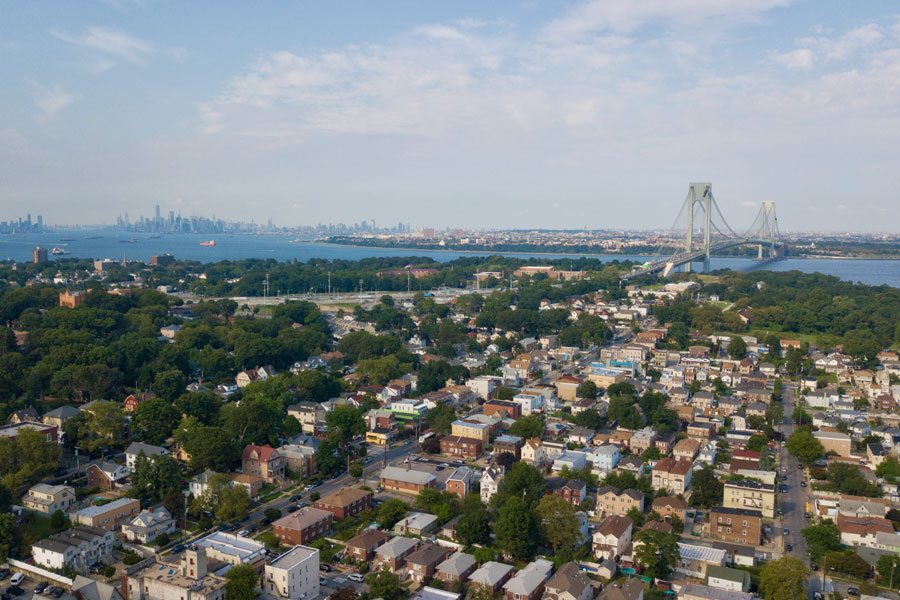
Staten Island, often nicknamed New York City’s “forgotten borough,” offers a very different kind of city experience – one rooted in nature, neighborhood character, and local history. While it is part of New York City, Staten Island often feels more like a suburban enclave, with a slower pace, lower population density, and abundant green space. It’s a place where you can ride a harbor ferry, hike wooded trails, relax near the shore, and explore a restored historic village without ever leaving city limits.
Located south of Manhattan and southwest of Brooklyn, Staten Island is geographically the most separated of the five boroughs, yet it remains closely tied to city life. Most visitors arrive on the free Staten Island Ferry from Lower Manhattan to St. George, though the borough is also connected to Brooklyn by the Verrazzano-Narrows Bridge and to New Jersey by the Bayonne Bridge, Goethals Bridge, and Outerbridge Crossing. With a population of about half a million residents, Staten Island has a distinctly residential feel and noticeably more open space than many visitors expect from New York City.
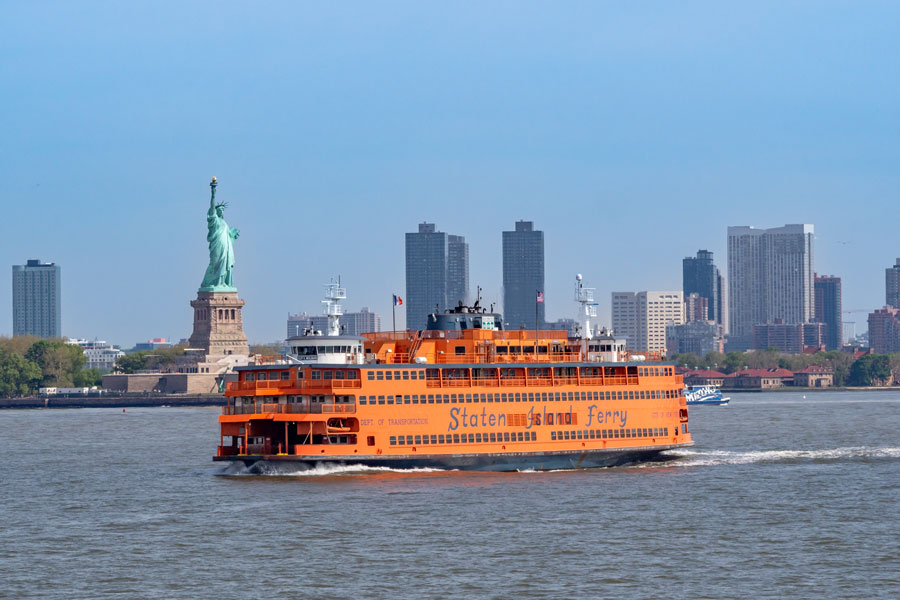
Staten Island may not be the first stop for every traveler, but those who spend time here are rewarded with waterfront views, wildlife habitats, gardens, museums, boardwalks, and a side of New York that feels calmer and more residential than the city’s better-known tourist centers.
Staten Island’s attractions are spread throughout the borough, ranging from the iconic Staten Island Ferry and historic Fort Wadsworth to Snug Harbor Cultural Center & Botanical Garden, the preserved buildings of Historic Richmond Town, and portions of Freshkills Park that continue to open in phases. Visitors can also explore miles of shoreline along the Franklin D. Roosevelt Boardwalk and Beach, enjoy family-friendly exhibits at the Staten Island Zoo, and discover maritime history at the National Lighthouse Museum.
What Staten Island Is Known For
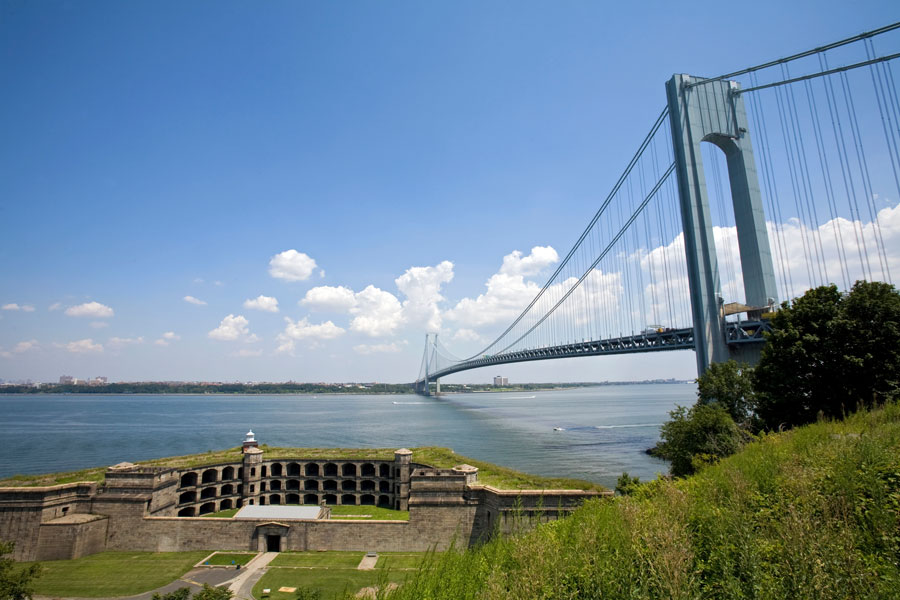
Staten Island is best known for its ferry ride, broad parkland, and quieter neighborhood feel. It is often described as one of New York City’s greenest boroughs, with extensive parkland and major natural areas that include the Greenbelt, Blue Heron Park, shoreline parks, and the evolving Freshkills landscape. The borough is also known for cultural destinations such as Snug Harbor, Historic Richmond Town, and the Staten Island Museum, along with beaches and boardwalks that surprise visitors who associate New York City only with dense streets and skyscrapers.
Transportation is another defining part of Staten Island’s identity. The borough serves as an important link between New York City and New Jersey, with the Staten Island Expressway, the Verrazzano-Narrows Bridge, and multiple bridge crossings to New Jersey all playing major roles. Locals often take pride in Staten Island’s small-town atmosphere, distinct neighborhoods, and unusual blend of city access and natural escape.
A Few Fun Facts About Staten Island
- Staten Island has the highest rate of homeownership of any New York City borough.
- The Staten Island Ferry has operated since 1817 and remains a signature way to approach the borough from Manhattan.
- The Verrazzano-Narrows Bridge was the longest suspension bridge in the world when it opened in 1964.
- Staten Island includes significant wetlands and natural habitats, including areas around Blue Heron Park and the larger Freshkills landscape.
- Tottenville, near Conference House Park, marks the southernmost point in New York City.
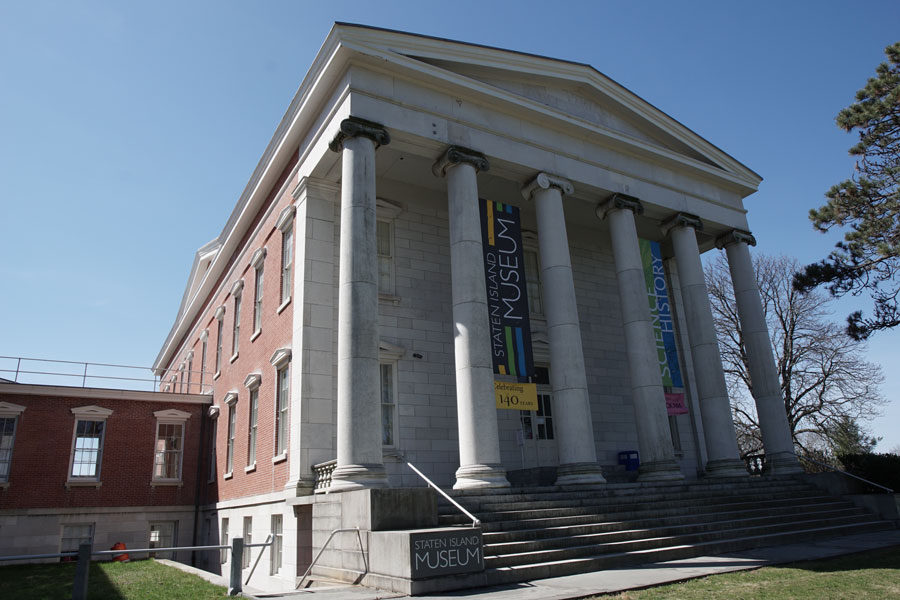
Whether you’re arriving aboard the iconic Staten Island Ferry, exploring the trails of the Greenbelt, strolling along the Franklin D. Roosevelt Boardwalk, or discovering the borough’s historic neighborhoods and cultural institutions, Staten Island offers a side of New York City that many visitors never experience. With its combination of waterfront scenery, expansive parkland, local history, and residential character, the borough provides a refreshing contrast to the skyscrapers and crowds often associated with the city, making it an appealing destination for both day-trippers and longer explorations.
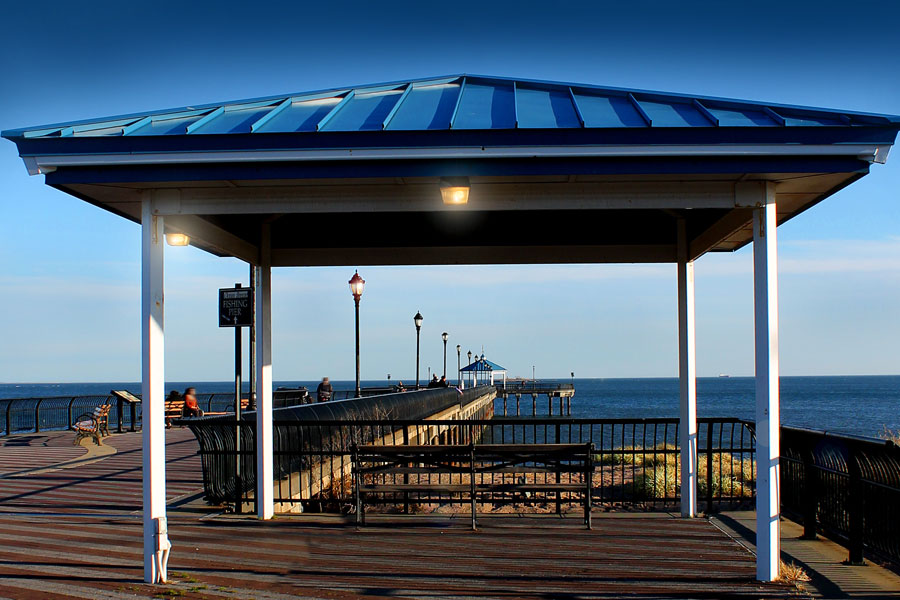
Getting There and Planning a Visit
- Ferry: The free Staten Island Ferry links Whitehall Terminal in Lower Manhattan with St. George and runs daily; schedules and frequency vary by time of day, so check current service details before you go.
- Rail: The Staten Island Railway runs from St. George to Tottenville and can be useful for reaching neighborhoods farther south; service details may change.
- Buses and cars: Local and express buses connect the ferry terminal with places like Snug Harbor, the beaches, shopping areas, and inland neighborhoods, while driving can be helpful for parks and South Shore destinations.
- Visitor tip: Museums, gardens, beaches, and historic sites may keep seasonal hours, timed-entry policies, or limited schedules, so it’s smart to check ahead before making a special trip.
Because many attractions are spread across the borough, it often helps to plan by area—pairing the ferry with St. George and other North Shore sights, or using a car or bus for larger parks, beaches, and South Shore stops.
Staten Island’s North Shore and South Shore
Locals often describe Staten Island in broad sections such as the North Shore and the South Shore, even though terms like Mid-Island and East Shore are also common. For visitors, the North Shore and South Shore distinction offers a quick way to understand the borough’s contrasting character.
- North Shore: This area includes neighborhoods such as St. George, Tompkinsville, Stapleton, and West Brighton. It is closest to the ferry terminal and is known for historic architecture, cultural attractions, waterfront views, and a more urban feel than much of the rest of the borough.
- South Shore: Covering communities such as Great Kills, Eltingville, Huguenot, and Tottenville, the South Shore is more suburban and residential. It is characterized by larger homes, marinas, beaches, and a slower pace of life.
This everyday shorthand helps highlight Staten Island’s range—from busy ferry-connected neighborhoods in the north to quieter coastal communities in the south.
Staten Island, New York
Key Facts & Details
| Official Name | Staten Island, coterminous with Richmond County |
|---|---|
| Type | Borough of New York City |
| Location | Southwestern New York City, between New York Harbor, Newark Bay, and Raritan Bay |
| Population | About 500,000 residents |
| Known For | the Staten Island Ferry, Greenbelt parklands, harbor views, beaches, historic sites, and suburban-style neighborhoods |
| Nickname | Often nicknamed “The Forgotten Borough” |
| Major Transportation Links | Staten Island Ferry, Verrazzano-Narrows Bridge, Staten Island Railway, Goethals Bridge, Bayonne Bridge, and Outerbridge Crossing |
| Notable Attractions | Snug Harbor Cultural Center & Botanical Garden, Historic Richmond Town, Fort Wadsworth, Staten Island Zoo, Freshkills Park, and the National Lighthouse Museum |
| Parks & Natural Areas | Staten Island Greenbelt, Freshkills Park, Blue Heron Park, Conference House Park, South Beach, and Midland Beach |
| Waterfront Features | New York Harbor, Lower New York Bay, Raritan Bay, Franklin D. Roosevelt Boardwalk and Beach, and multiple shoreline parks |
| Southernmost Point of NYC | Tottenville / Conference House Park area |
| Best Known Experience | Riding the free Staten Island Ferry between St. George and Lower Manhattan |
| Ideal For | Families, history enthusiasts, nature lovers, harbor sightseeing, and day trips from Manhattan |
While geographically separate, Staten Island and Long Island are closely tied through regional travel, family connections, and the wider economy of the greater New York City area. Long Islanders often pass through Staten Island on road trips toward New Jersey and points south, while Staten Island residents regularly head east for beaches, shopping, sporting events, and visits to Nassau and Suffolk counties. Both places reflect different sides of downstate New York: one shaped by borough life and harbor history, the other by suburban communities, villages, and Atlantic shoreline.
Are you ready for fall on Long Island? Check out these local seasonal guides:
🍎 Apple Picking | 🍂 Fall Festivals & Farm Activities | 👻 Haunted Houses | 🎃 Pumpkin Picking