
Brooklyn, New York
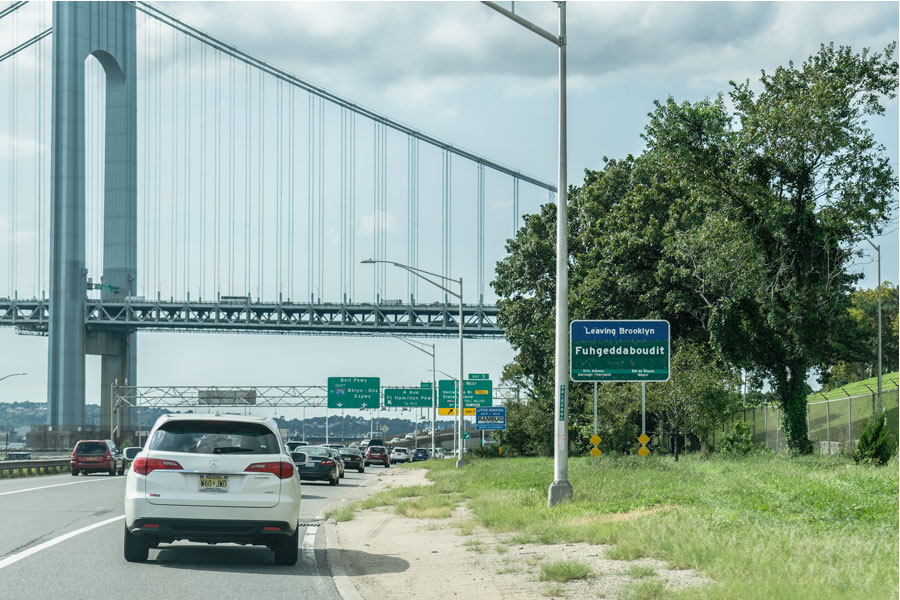
Brooklyn is one of the five boroughs of New York City and the city’s most populous borough, with about 2.6 million residents. Known for its layered history, cultural diversity, and distinctive neighborhoods, Brooklyn blends historic brownstones, industrial waterfronts, beachside boardwalks, parks, museums, and a constantly evolving food and arts scene. From the Brooklyn Bridge to Coney Island, it offers a mix of classic New York landmarks and neighborhood discoveries that make it a destination in its own right.
History
Originally settled by the Dutch in the 17th century as Breuckelen, Brooklyn became a city in 1834 and remained independent until it was consolidated into New York City in 1898. Over time, it evolved from a major port and industrial center into one of the city’s most influential cultural and residential boroughs. That history is still visible today in its row houses, warehouses, civic buildings, waterfront districts, and long-established immigrant communities.
Geography & Neighborhoods
Brooklyn covers roughly 70 square miles of land and is linked to the rest of New York City by bridges, tunnels, subway lines, ferries, and major roadways. It borders Queens to the northeast and fronts the East River, Upper New York Bay, Gravesend Bay, and Jamaica Bay. Key neighborhoods and visitor areas include:
- Williamsburg: A waterfront and nightlife hub known for music venues, restaurants, shops, and East River views.
- Brooklyn Heights: A historic district with elegant row houses, quiet streets, and classic skyline views from the Promenade.
- Park Slope: Known for its brownstones, neighborhood restaurants, and easy access to Prospect Park.
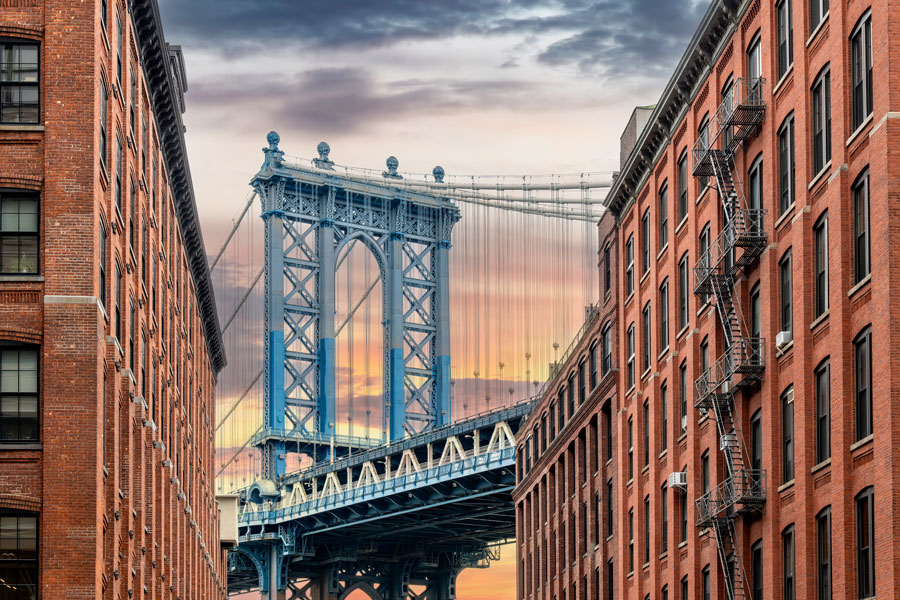
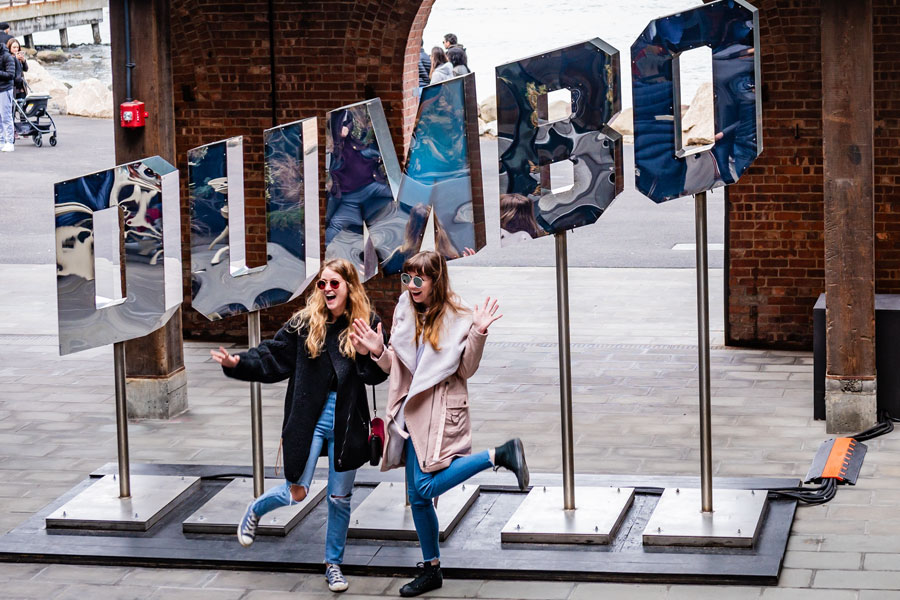
- DUMBO (Down Under the Manhattan Bridge Overpass): A former warehouse district turned waterfront destination with cobblestone streets, galleries, and famous bridge views.
- Crown Heights: A culturally rich area with strong Caribbean and Jewish roots, historic blocks, and access to major museums and Prospect Park.
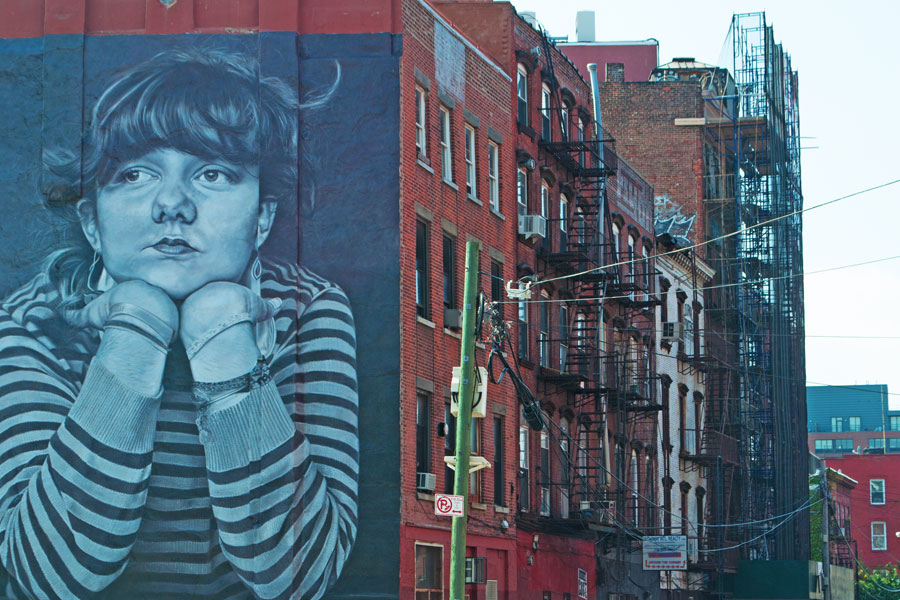
- Bushwick: Known for large-scale murals, converted industrial spaces, nightlife, and a creative energy that continues to draw visitors.
Attractions & Landmarks
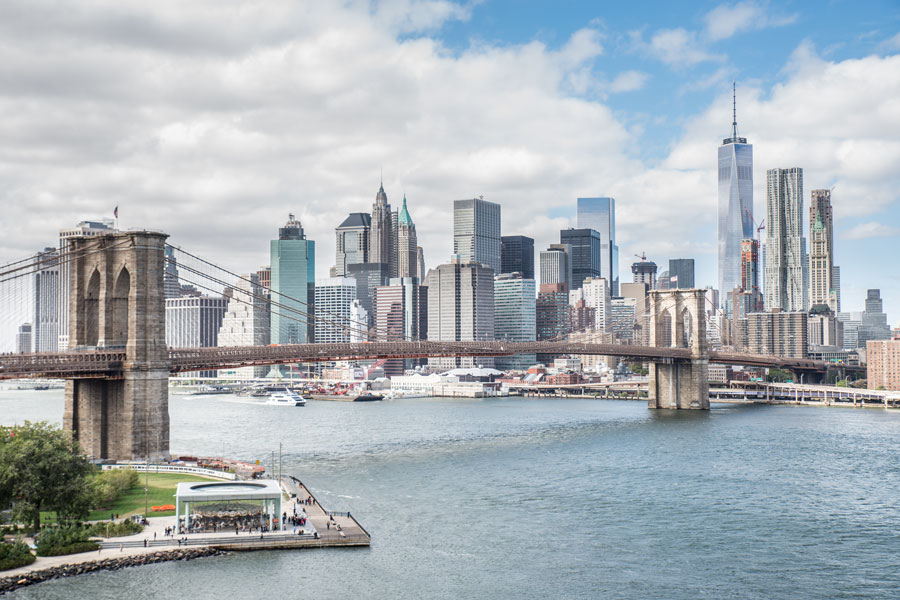
- Brooklyn Bridge: An architectural icon connecting Brooklyn to Manhattan since 1883, with a pedestrian walkway and memorable skyline views.
- Brooklyn Bridge Park: A popular East River waterfront park with piers, lawns, playgrounds, and sweeping views of Lower Manhattan and the harbor.
- Prospect Park: A 526-acre green space designed by Frederick Law Olmsted and Calvert Vaux, with trails, a lake, the Prospect Park Zoo, and the Prospect Park Bandshell.
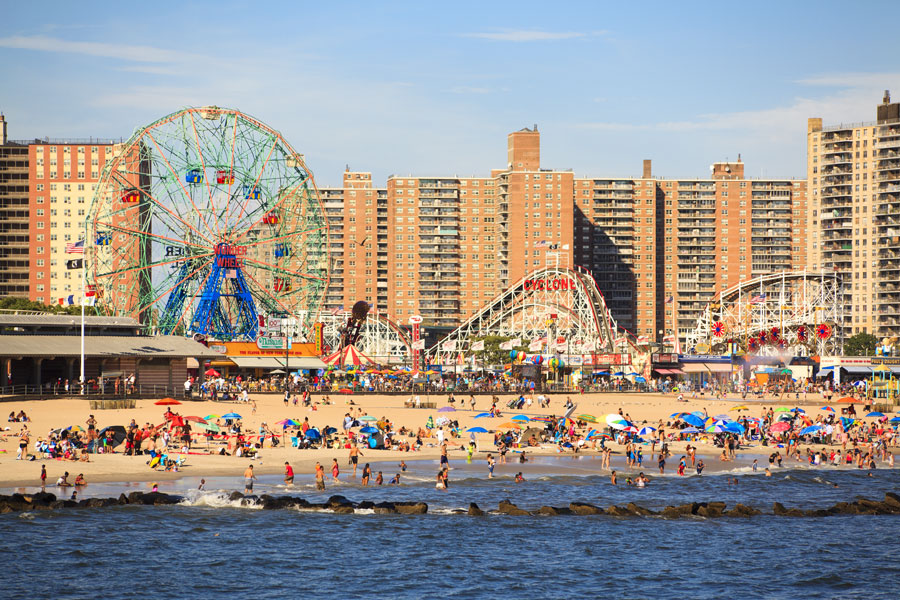
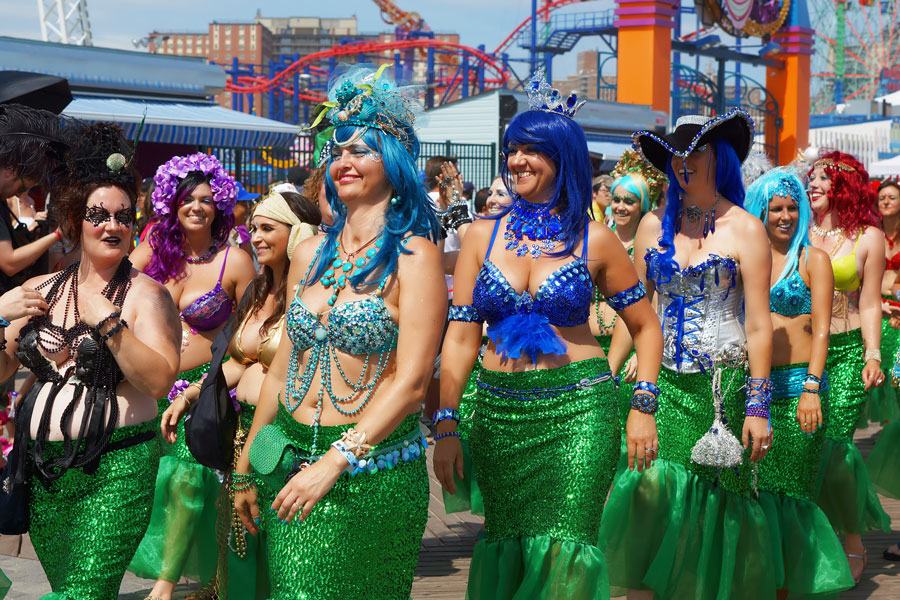
- Coney Island: An iconic beachfront district with a boardwalk, beach, amusement rides, Nathan’s Famous, and seasonal events. Hours and operations vary by season.
- Brooklyn Museum: One of New York City’s largest art museums, known for its wide-ranging collections and rotating exhibitions.
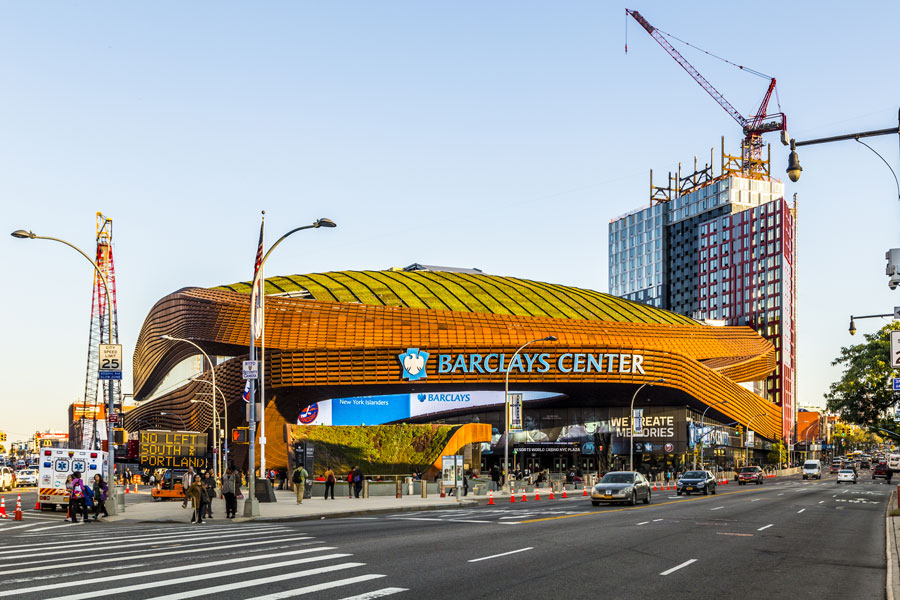
- Barclays Center: Home of the Brooklyn Nets and New York Liberty, and a major venue for concerts, sports, and live entertainment.
- Brooklyn Botanic Garden: A beloved garden destination featuring a Japanese Hill-and-Pond Garden, seasonal blooms, and notable plant collections. Hours and admission policies can vary.
Dining & Cuisine
Brooklyn’s culinary landscape reflects the borough’s many communities as well as its trend-setting restaurant scene. Notable highlights include:
- Pizza: Legendary names include Di Fara, Lucali, and L&B Spumoni Gardens, alongside countless neighborhood slice shops.
- International eats: Look for Caribbean cooking in Flatbush and Crown Heights, Polish food in Greenpoint, Middle Eastern fare in Bay Ridge, and a wide range of Latin American, South Asian, and East Asian options across the borough.
- Seasonal and contemporary dining: Neighborhoods such as Williamsburg, Fort Greene, and Cobble Hill offer everything from casual cafes to chef-driven restaurants.
- Markets: Smorgasburg has been one of New York City’s best-known outdoor food markets, though locations and operating dates can change seasonally.
Arts & Culture
Brooklyn is one of the city’s major arts centers. Its neighborhoods support everything from world-class performance institutions to independent galleries and large outdoor murals:
- Brooklyn Academy of Music (BAM): A cornerstone cultural institution presenting theater, opera, dance, music, and film.
- Street art and murals: Particularly visible in Bushwick and parts of Williamsburg, where building walls double as open-air galleries.
- Local music scene: Brooklyn venues continue to nurture indie bands, DJs, jazz artists, and emerging performers across many neighborhoods.
Transportation
Brooklyn is extensive but well connected, making it practical to explore by transit, on foot, by bike, or by car depending on the area:
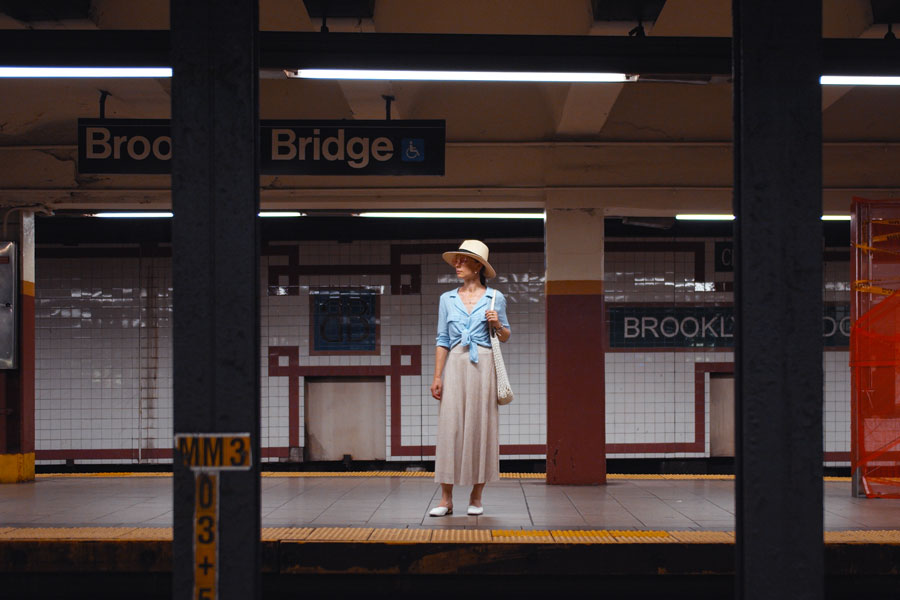
- Subway: Many MTA lines serve Brooklyn, including the A/C, B/D/Q, F/G, J/M/Z, L, N/R, and 2/3/4/5 in different parts of the borough. Weekend and late-night service patterns can change, so check current service before heading out.
- Ferries: NYC Ferry serves several Brooklyn waterfront stops with connections to Manhattan, Queens, and other parts of the city. Routes and schedules may vary by season or service updates.
- Long Island Rail Road: Atlantic Terminal in Downtown Brooklyn provides LIRR service and convenient subway connections, making Brooklyn accessible for many Long Island visitors.
- Biking & Walking: With waterfront promenades, major parks, neighborhood commercial streets, and bike lanes across much of the borough, Brooklyn is excellent for exploring on foot or by bicycle.
Events & Festivals
- Brooklyn Book Festival: A major literary event featuring readings, panels, and book-related programming.
- Coney Island Mermaid Parade: A colorful and famously offbeat summer celebration of art, costume, and seaside culture.
- West Indian American Day Carnival Parade: Held around Labor Day, this major Crown Heights event celebrates Caribbean culture with music, dance, and elaborate costumes.
- Bushwick Open Studios: Long associated with the neighborhood’s art scene; if scheduled, it can offer studio visits and exhibitions, though formats may change from year to year.
Living in Brooklyn
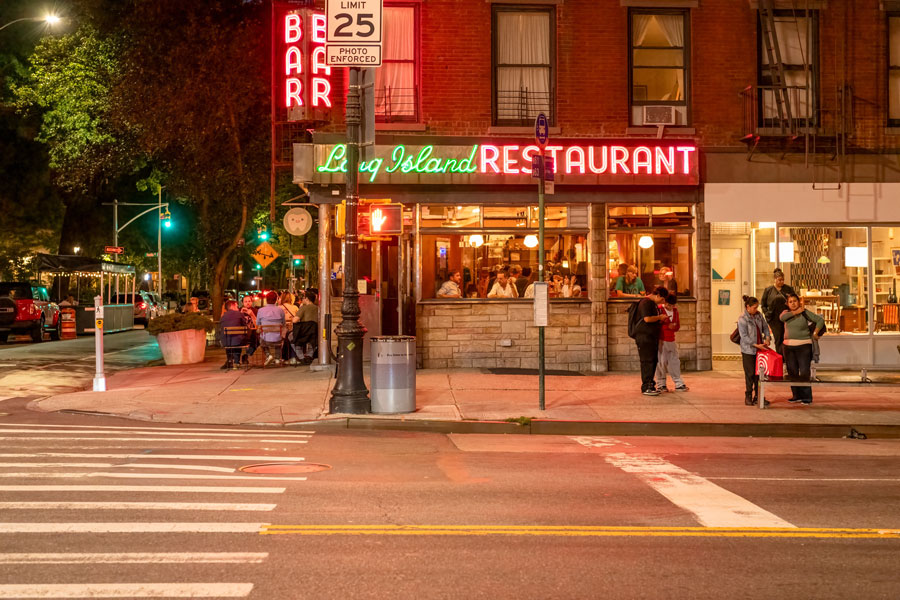
Brooklyn has a neighborhood for nearly every lifestyle, from high-rise living in Downtown Brooklyn to quieter, more residential areas such as Marine Park and Bay Ridge. Housing costs vary widely by neighborhood, and some of the most in-demand areas can be expensive, but the borough still offers tremendous variety in scale, atmosphere, and housing stock compared with Manhattan. It continues to attract families, artists, students, professionals, and long-established communities from around the world.
Visitor tips: Brooklyn is large enough that it’s best explored one area at a time. Pair nearby sights such as Brooklyn Heights, DUMBO, and Brooklyn Bridge Park, or combine Prospect Park with the Brooklyn Museum and Brooklyn Botanic Garden. Museum hours, ferry schedules, event calendars, and beach-season amenities can change, so check ahead before visiting.
Brooklyn, New York
Key Facts & Details
| Category | Details |
|---|---|
| Location | Western end of Long Island, forming the borough of Brooklyn in New York City |
| County | Kings County, New York |
| Population | Approximately 2.6 million residents, making it New York City’s most populous borough |
| Area | About 70 square miles of land area |
| Borders | Queens, the East River, Upper New York Bay, Gravesend Bay, and Jamaica Bay |
| Known For | Historic neighborhoods, the Brooklyn Bridge, cultural diversity, waterfront districts, arts, dining, and Coney Island |
| Major Attractions | Brooklyn Bridge, Brooklyn Bridge Park, Prospect Park, Coney Island, Brooklyn Museum, Barclays Center, and Brooklyn Botanic Garden |
| Popular Neighborhoods | Williamsburg, DUMBO, Brooklyn Heights, Park Slope, Crown Heights, Bushwick, Bay Ridge, and Greenpoint |
| Transportation | New York City Subway, NYC Ferry, Long Island Rail Road via Atlantic Terminal, major bridges, tunnels, and extensive bus service |
| Cultural Institutions | Brooklyn Academy of Music (BAM), Brooklyn Museum, Brooklyn Botanic Garden, and numerous galleries and performance venues |
| Waterfront Areas | DUMBO, Brooklyn Heights Promenade, Brooklyn Bridge Park, Red Hook, Williamsburg Waterfront, and Coney Island |
| Atmosphere | Urban, historic, diverse, creative, and constantly evolving |
Brooklyn remains one of the most dynamic parts of New York City – full of history, neighborhoods with strong identities, memorable food, and some of the region’s best waterfront and cultural experiences. Whether you’re crossing the Brooklyn Bridge for the first time or returning to explore a new corner of the borough, Brooklyn offers an experience that feels both deeply New York and distinctly its own.
Are you ready for fall on Long Island? Check out these local seasonal guides:
🍎 Apple Picking 🍓 Strawberry Picking 🎃 Pumpkin Picking 👻 Haunted Houses 🍂 Farm Festivals