
Metropolitan Transportation Authority (MTA) on Long Island
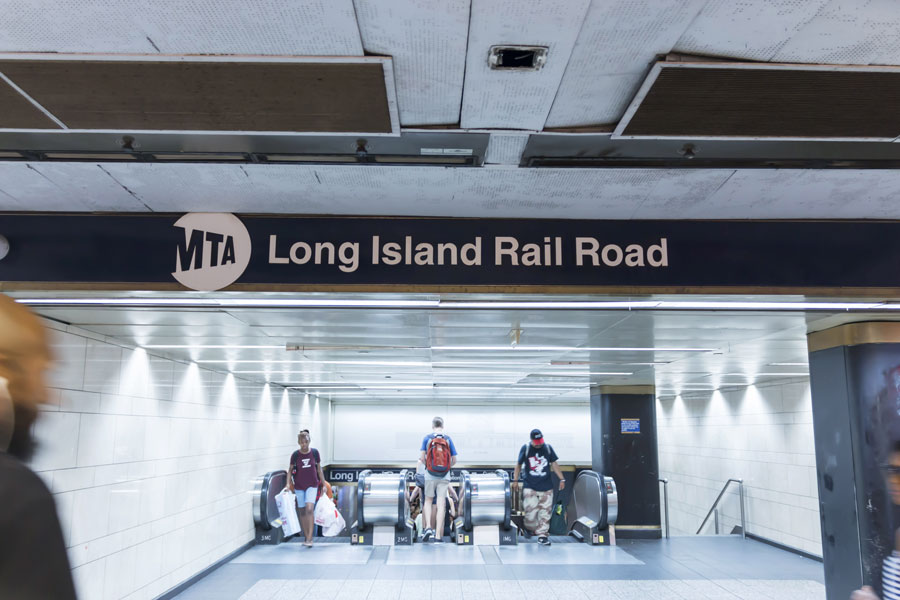
The Metropolitan Transportation Authority (MTA) is the main regional transit agency serving the New York metropolitan area. Created in 1965, it oversees subways, buses, commuter railroads, and bridges and tunnels used by millions of riders. For Long Island, the MTA’s most important service is the Long Island Rail Road (LIRR), which connects communities across Nassau and Suffolk counties with New York City and key transfer points throughout the region.
MTA on Long Island
- Long Island Rail Road (LIRR): The LIRR serves 11 branches and more than 120 stations. Depending on the branch and time of day, trains may operate to Penn Station, Grand Central Madison, Brooklyn’s Atlantic Terminal, Long Island City, or Hunterspoint Avenue, with service extending east to places such as Montauk and Greenport.
- Scale: The LIRR is widely recognized as the busiest commuter railroad in the United States and operates more than 700 miles of track across Long Island and New York City.
- Connections: Major hubs such as Jamaica, Woodside, Penn Station, and Grand Central Madison link Long Island riders to NYC subways, buses, airport connections, and other regional rail services.
- Special and Seasonal Service: Extra or adjusted service is sometimes scheduled for concerts, sporting events, holiday weekends, summer East End demand, and beach-related travel, including connections for Jones Beach and trips toward the Hamptons. Check ahead before visiting.
- Trip Planning: For fares, schedules, station information, elevator or escalator advisories, and real-time service changes, use the official LIRR page, the official MTA website, or the MTA TrainTime app.
Other MTA Services Affecting Long Island
- New York City Transit: MTA subways and city buses provide onward connections once riders reach Manhattan, Queens, or Brooklyn.
- Bridges and Tunnels: MTA Bridges and Tunnels manages several major toll crossings in and around New York City that many Long Islanders use when driving to the city, airports, and outer boroughs.
- Regional Rail Links: Through LIRR connections in New York City, Long Island travelers can continue to other MTA services, including Metro-North Railroad, for trips into the Hudson Valley and parts of Connecticut.
- Bus Connections Near the City Line: Most local bus service on Long Island is provided by NICE Bus in Nassau County and Suffolk County Transit in Suffolk, while MTA bus and subway routes become important once travelers continue into Queens, Brooklyn, or Manhattan.
Economic and Social Impact
The MTA helps underpin Long Island’s economy and day-to-day life. It supports commuting for workers and students, makes many day trips and event outings possible without a car, brings visitors to beaches, downtowns, and wine country, and helps reduce pressure on some of the region’s busiest roads. For many residents, the LIRR is not just a commuter railroad but a practical link between Long Island and the rest of the metropolitan area.
Visitor Information
For visitors, the LIRR can be one of the easiest ways to reach Long Island villages, downtowns, waterfront areas, and event venues without driving into heavy traffic. Station amenities, parking rules, accessibility features, and connecting bus or shuttle options vary widely by location. If you are heading to a beach, concert, ferry terminal, or East End destination, confirm schedules and local connections before you go, especially on weekends and holidays when service details may change.
Key Facts & Details
| Founded | 1965 |
| Headquarters | New York City |
| Coverage | New York City, Long Island, and the surrounding New York metropolitan area |
| Primary Long Island Service | Long Island Rail Road (LIRR) |
| Stations | 120+ |
| Branches | 11 |
| Track Mileage | 700+ miles |
| Major NYC Terminals | Penn Station, Grand Central Madison, Atlantic Terminal |
| Eastern Reach | Montauk and Greenport |
| Official Service Information | Official MTA alerts, schedules, and the TrainTime app |
Q&A
Q: What does the MTA operate on Long Island?
A: The MTA’s main Long Island operation is the Long Island Rail Road, which provides passenger rail service across Nassau and Suffolk counties with regular connections into New York City.
Q: How big is the LIRR system?
A: The LIRR operates more than 700 miles of track and serves more than 120 stations across 11 branches, making it one of the largest commuter rail systems in North America.
Q: Where do LIRR trains go in New York City?
A: Depending on the branch and schedule, LIRR trains can serve Penn Station, Grand Central Madison, Atlantic Terminal, Long Island City, and Hunterspoint Avenue. Service patterns vary, so check your train before departure.
Q: How do I check schedules and service changes?
A: Use the official MTA website, the official LIRR page, or the MTA TrainTime app for current schedules, fares, track assignments, and service advisories. Details can change by season, day of week, or construction work.
Q: Why is the MTA important to Long Island?
A: The MTA helps connect Long Island residents and visitors to jobs, schools, airports, cultural destinations, and regional attractions while reducing the need for some car trips into New York City.
Are you ready for fall on Long Island? Check out these local seasonal guides:
🍎 Apple Picking | 🍂 Fall Festivals & Farm Activities | 👻 Haunted Houses | 🎃 Pumpkin Picking