
North Shore: Long Island’s Gold Coast
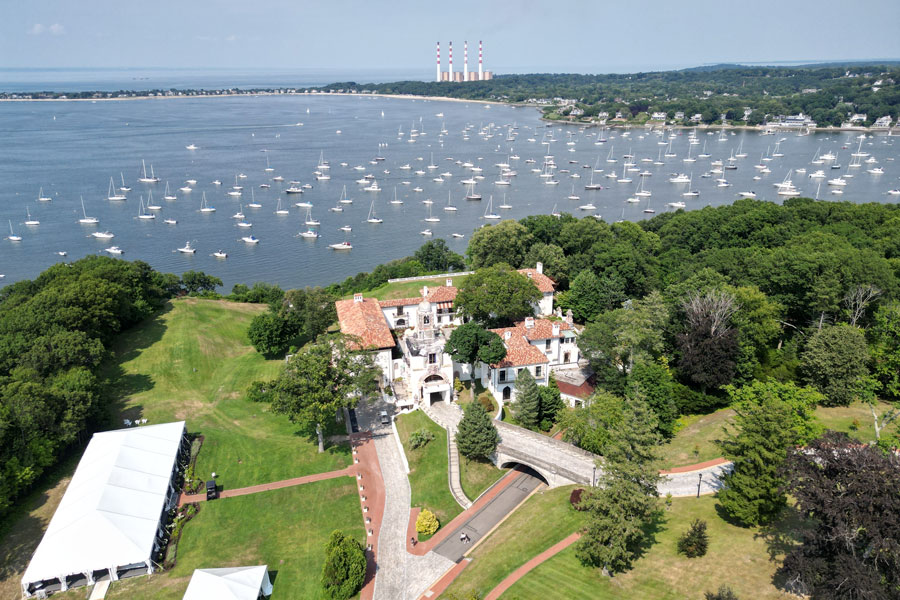
The North Shore of Long Island is a picturesque and historically rich region that stretches along the island’s northern edge facing the Long Island Sound. Portions of the North Shore – particularly western Nassau County – are famously associated with the historic Gold Coast, known for its grand estates, waterfront mansions, and ties to America’s Gilded Age.
Extending from communities near Great Neck and Kings Point in Nassau County, through areas such as Manhasset, Oyster Bay, and Huntington, and reaching east toward Wading River in Suffolk County, the North Shore is known for its winding coastline, wooded hills, harbors, elegant neighborhoods, and strong maritime heritage. The region has long been associated with affluence, historic estates, and a somewhat quieter atmosphere compared to the more densely developed portions of Long Island’s South Shore.
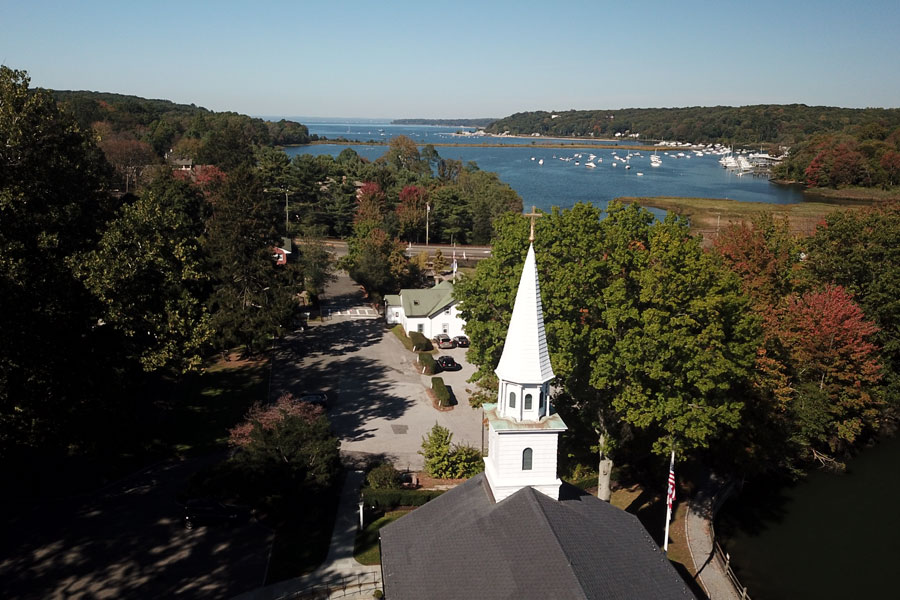
The North Shore’s dramatic bluffs, rolling hills, and forested enclaves contrast with the generally flatter terrain found across much of Long Island. This landscape was largely shaped by glaciers during the last Ice Age, leaving behind geological features such as terminal moraines, kettle ponds, and elevated shoreline bluffs that continue to define the region’s distinctive topography. These natural elements helped make the North Shore and surrounding Gold Coast region desirable locations for sprawling estates, waterfront properties, and secluded residential communities. Many of the historic mansions built by Gilded Age industrialists and financiers still stand today as museums, cultural institutions, or private residences, particularly in areas such as Glen Cove, Oyster Bay, and Mill Neck.
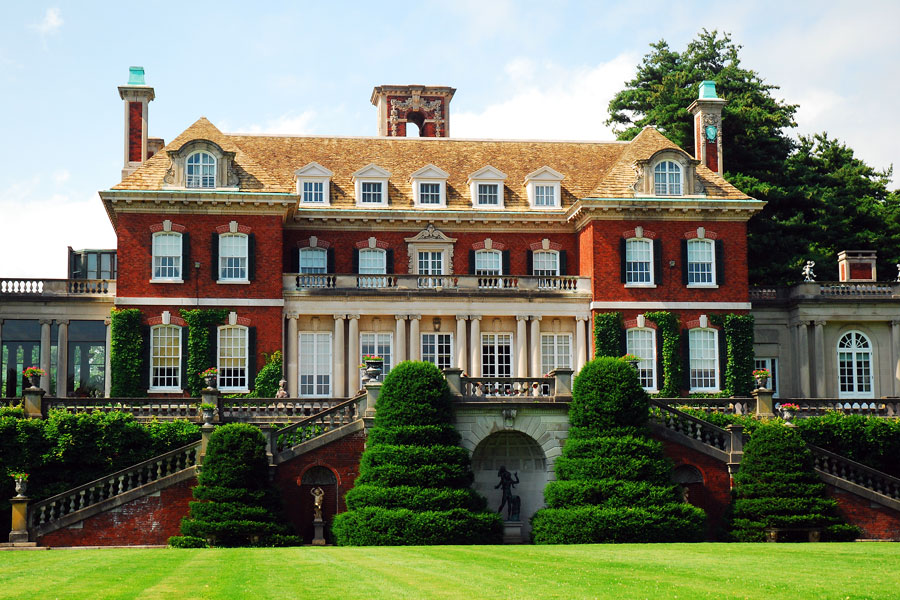
One of the most defining aspects of the North Shore is its deep historical significance. The area was originally inhabited by Native American peoples, including groups associated with the Matinecock and Setalcott tribes, before European settlers arrived during the 1600s. The region later became an important area for colonial settlement and Revolutionary War activity. Its prominence grew dramatically during the late 19th and early 20th centuries, when wealthy industrialists and financiers built grand summer estates along the shoreline, helping earn the region the nickname “Gold Coast.” This era of wealth and extravagance famously inspired F. Scott Fitzgerald’s The Great Gatsby, with many historians and literary scholars believing the fictional communities of “West Egg” and “East Egg” were influenced by the real-life North Shore communities of Kings Point and Sands Point.
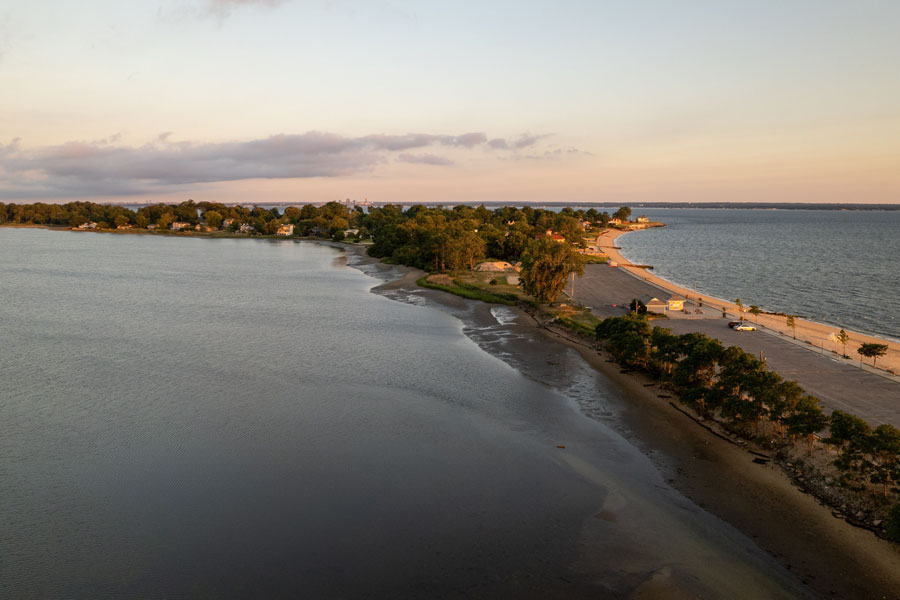
Culturally, the North Shore is known for its refined and artistic atmosphere. It is home to numerous museums, galleries, and historic sites, including the Nassau County Museum of Art in Roslyn Harbor, the Vanderbilt Museum and Planetarium in Centerport, and the Heckscher Museum of Art in Huntington. The region is also home to several preserved Gold Coast estates that are open to the public, including Coe Hall at the Planting Fields Arboretum in Oyster Bay and the Old Westbury Gardens estate, both of which offer a glimpse into the luxurious lifestyles of Long Island’s Gilded Age families. The region’s commitment to cultural preservation is also reflected in its active historical societies, libraries, and community organizations, many of which host lectures, exhibitions, and walking tours throughout the year.
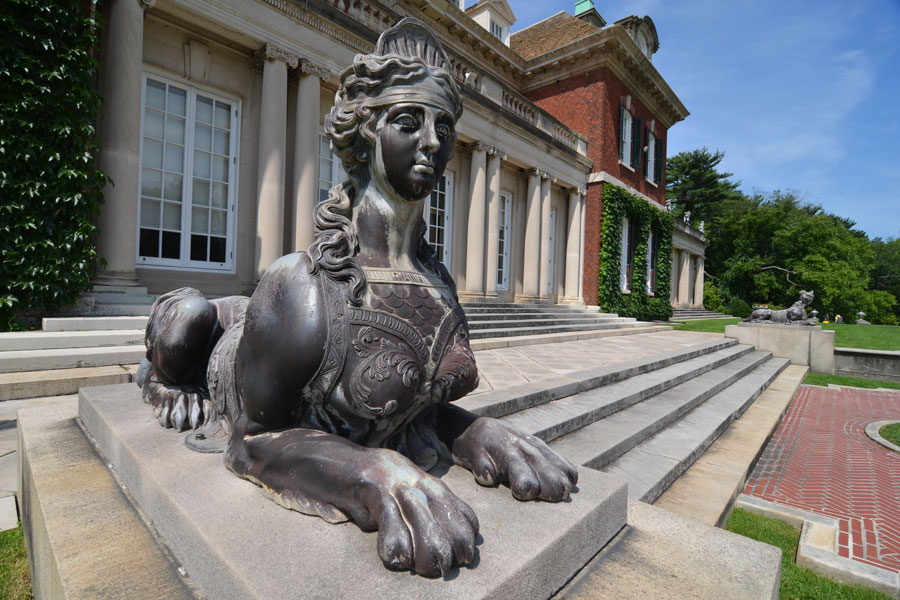
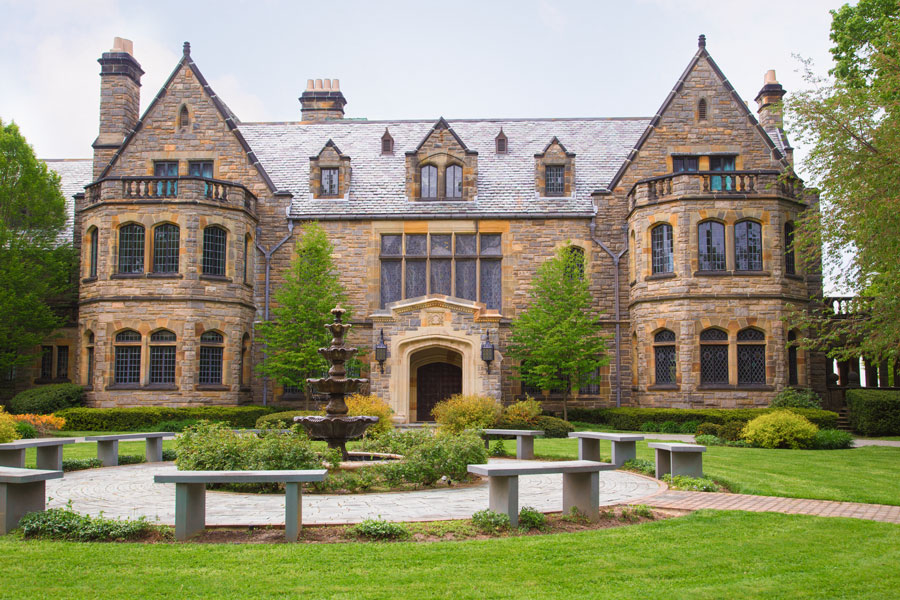
The North Shore is also known for its highly regarded educational institutions and affluent suburban communities. Some of the top-performing public school districts on Long Island, including Great Neck, Jericho, Cold Spring Harbor, and Syosset, are located within or closely associated with the region. The area is also home to respected private schools and higher education institutions, including Long Island University Post in Brookville and the New York Institute of Technology campus in Old Westbury. Together, these institutions contribute to the North Shore’s longstanding reputation for educational achievement and professional opportunity.
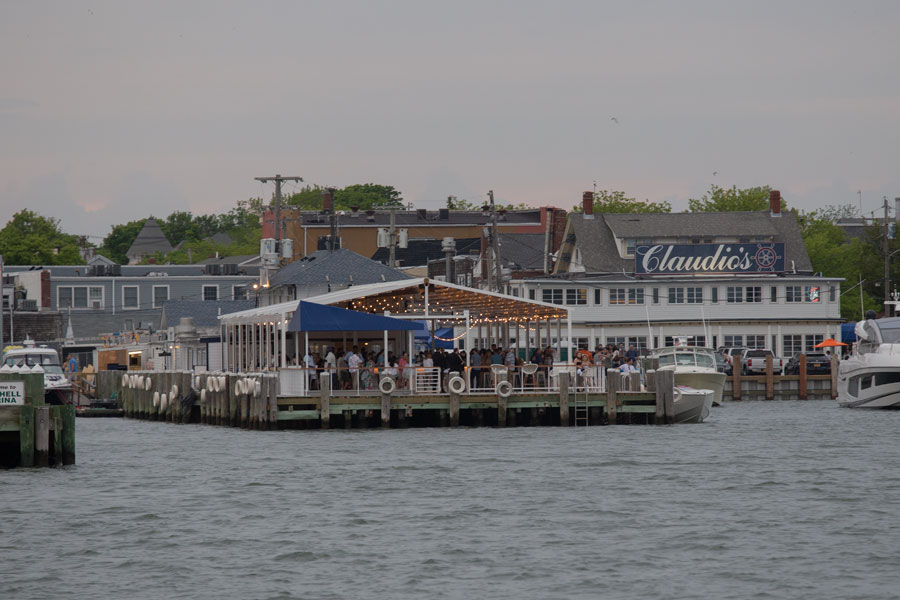
In terms of recreation and lifestyle, the North Shore offers a quieter and more refined atmosphere than many other parts of Long Island. Its coastline is dotted with marinas, yacht clubs, and harbors that provide opportunities for boating, sailing, kayaking, and fishing. Waterfront communities such as Port Washington, Northport, and Greenport are known for their walkable downtowns, waterfront dining, and boutique shopping. Parks and nature preserves are also abundant throughout the region, including Caumsett State Historic Park Preserve, Avalon Park and Preserve in Stony Brook, and the Theodore Roosevelt Sanctuary and Audubon Center in Oyster Bay. Golf courses, equestrian facilities, tennis clubs, and waterfront parks further contribute to the region’s upscale recreational character.
Economically, the North Shore has long been associated with high property values and exclusive residential communities. Real estate in areas such as Great Neck, Lloyd Harbor, and Manhasset regularly ranks among the most expensive on Long Island. While many residents commute to New York City using Long Island Rail Road branches such as the Port Washington, Oyster Bay, and Port Jefferson lines, the region also supports a strong local economy centered around professional services, healthcare, education, hospitality, and small businesses. The North Shore’s proximity to Manhattan, combined with its scenic coastline and historic character, continues to make it a desirable location for both year-round residents and seasonal visitors.
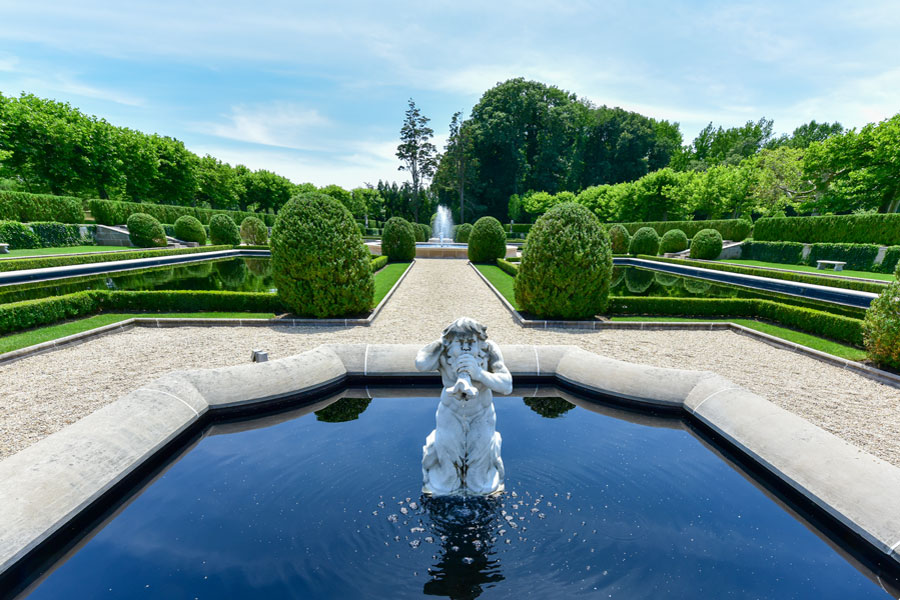
Overall, the North Shore of Long Island offers a distinctive blend of history, natural beauty, cultural heritage, and waterfront living. Whether exploring the downtown streets of a historic village, enjoying scenic views from a coastal bluff, or spending time along the shores of the Long Island Sound, the region remains one of the most recognizable and historically significant areas in New York State. Its longstanding reputation for preservation, maritime culture, and elegant residential communities continues to attract residents and visitors seeking both sophistication and a connection to Long Island’s past.
Key Facts & Details
| Location | Northern shoreline of Long Island facing Long Island Sound |
|---|---|
| Counties | Nassau County and Suffolk County |
| Western Boundary | Great Neck and Kings Point area |
| Eastern Extent | Wading River area in Suffolk County |
| Known For | Gold Coast estates, harbors, waterfront villages, and historic communities |
| Landscape | Bluffs, wooded hills, harbors, and winding shoreline |
| Waterfront | Long Island Sound |
| Popular Communities | Oyster Bay, Huntington, Northport, Port Washington, Stony Brook, Greenport |
| Major Attractions | Planting Fields Arboretum, Caumsett State Historic Park Preserve, Vanderbilt Museum, Nassau County Museum of Art |
| Popular Activities | Boating, sailing, fishing, hiking, dining, shopping, and historic sightseeing |
| Transportation | Long Island Rail Road Port Washington, Oyster Bay, and Port Jefferson branches |
From its historic waterfront villages and Gold Coast estates to its scenic harbors and cultural landmarks, the North Shore remains one of Long Island’s most distinctive regions. Its combination of natural beauty, maritime heritage, and established communities continues to make it a sought-after destination for residents, visitors, and anyone looking to experience a quieter and more historic side of Long Island.
Are you ready for fall on Long Island? Check out these local seasonal guides:
🍎 Apple Picking | 🍂 Fall Festivals & Farm Activities | 👻 Haunted Houses | 🎃 Pumpkin Picking