
Town of Huntington, New York
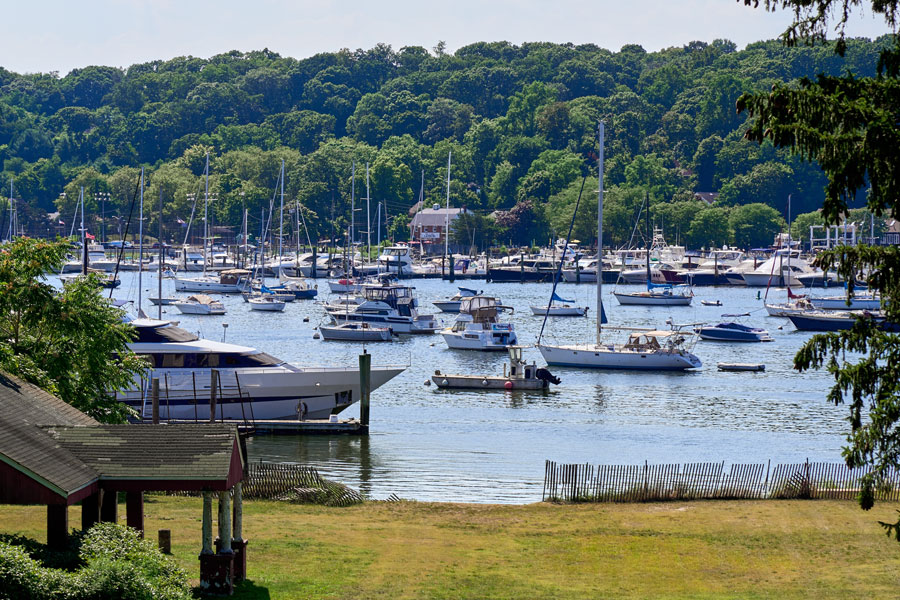
Huntington, New York, is located on Long Island’s North Shore in western Suffolk County, about 40 miles east of Manhattan. The hamlet of Huntington, commonly called Huntington Village, serves as the historic downtown, cultural, dining, and entertainment center within the much larger Town of Huntington. Visitors are drawn to its walkable commercial district, restaurants, live entertainment, museums, parks, historic sites, and proximity to Huntington Harbor and the Long Island Sound.
The wider Town of Huntington covers much of northwestern Suffolk County and includes numerous hamlets and incorporated villages, including Huntington Station, South Huntington, Cold Spring Harbor, Centerport, Dix Hills, Greenlawn, Melville, Northport, East Northport, and several waterfront villages. Together, these communities give Huntington one of the most varied combinations of downtown activity, suburban living, business development, historic estates, parks, and coastal recreation on Long Island.
History & Heritage
- Early history: The Huntington area was inhabited for centuries by Indigenous people associated with the Matinecock before English settlers established the colonial town in 1653.
- Colonial development: Huntington originally had close political and commercial ties to Connecticut before becoming part of the Province of New York. Farming, fishing, shipbuilding, milling, and trade shaped the early settlement.
- Revolutionary War: British forces occupied Huntington during the American Revolution and used portions of the area for military operations, leaving an important mark on local history.
- Railroad era: The arrival and expansion of the Long Island Rail Road during the 19th century improved access to New York City and encouraged residential, commercial, and resort development.
- Gold Coast period: During the late 19th and early 20th centuries, wealthy families built estates throughout the Huntington area, contributing to the larger history of Long Island’s Gold Coast.
- Suburban growth: Following World War II, the wider town experienced significant residential and commercial expansion, particularly near major roads, railroad stations, and the Route 110 corridor.
Huntington Village & Downtown
- Village center: Huntington Village is the commonly used name for the downtown commercial area within the hamlet of Huntington. It is not an incorporated village, but it functions as one of Long Island’s best-known downtown districts.
- Dining & nightlife: Restaurants, cafes, pubs, bakeries, and nightlife venues are concentrated around Main Street, Wall Street, New York Avenue, and the surrounding blocks.
- Shopping: The downtown contains boutiques, galleries, specialty stores, personal services, and independent businesses within a walkable street grid.
- Entertainment: The Paramount is one of the area’s best-known live entertainment venues, hosting concerts, comedy, and other performances throughout the year.
- Civic character: Historic buildings, churches, public spaces, community events, and nearby cultural institutions give the downtown a strong local identity that extends beyond its commercial role.
Population & Community
- Huntington hamlet: The hamlet surrounding Huntington Village includes residential neighborhoods, the downtown commercial district, cultural attractions, and areas extending toward Huntington Harbor.
- Town of Huntington: The 2020 Census counted approximately 204,127 residents across the entire town, making it one of Suffolk County’s largest municipalities.
- Incorporated villages: The town includes Asharoken, Huntington Bay, Lloyd Harbor, and Northport, each with its own municipal government and distinct residential or waterfront identity.
- Hamlets and communities: Major areas include Huntington, Huntington Station, South Huntington, Cold Spring Harbor, Centerport, Dix Hills, East Northport, Elwood, Greenlawn, Halesite, Melville, and West Hills.
- Community character: The hamlet is known for its active downtown and proximity to the harbor, while the wider town includes suburban neighborhoods, waterfront enclaves, historic village centers, business districts, beaches, and wooded preserves.
Transportation & Connectivity
- Rail: Huntington station on the Long Island Rail Road’s Port Jefferson Branch is located in neighboring Huntington Station. It is the eastern end of regular electric service on the branch, with diesel trains continuing farther east toward Northport, Kings Park, Smithtown, Stony Brook, and Port Jefferson.
- New York City connections: Trains provide service toward Penn Station, Grand Central Madison, Atlantic Terminal, and other western terminals, although transfers, schedules, and travel times vary.
- Major roadways: Regional access is provided by the Long Island Expressway, the Northern State Parkway, Jericho Turnpike, Route 25A, and Route 110.
- Local buses: Huntington Area Rapid Transit, commonly known as HART, operates local routes in the town, while Suffolk County Transit provides additional regional connections. Routes and schedules may change, so travelers should check current service information.
- Downtown access: Huntington Village is several miles north of Huntington station. Visitors arriving by train generally continue by bus, taxi, rideshare, bicycle, or another local transportation option.
Parks & Recreation
- Heckscher Park: Located beside Huntington Village, this landscaped public park includes walking paths, open lawns, ponds, gardens, recreational facilities, and space used for concerts and community events.
- Caumsett State Historic Park Preserve: Located in Lloyd Harbor, this expansive former estate offers trails, historic buildings, woodlands, meadows, shoreline scenery, cycling, birdwatching, and access to the Long Island Sound environment.
- West Hills and Jayne’s Hill: The West Hills area contains wooded parkland, hiking trails, historic associations, and Jayne’s Hill, traditionally recognized as Long Island’s highest natural point.
- Town beaches: Crab Meadow Beach, Centerport Beach, Gold Star Battalion Beach, and other shoreline facilities provide seasonal swimming, picnicking, fishing, and waterfront recreation. Parking permits and nonresident access rules may apply.
- Harbors and waterways: Huntington Harbor, Northport Harbor, Centerport Harbor, Cold Spring Harbor, Northport Bay, and the Long Island Sound support boating, sailing, fishing, kayaking, paddleboarding, and marina activity.
- Additional recreation: The wider town contains athletic fields, playgrounds, pools, golf facilities, nature areas, boat ramps, marinas, and neighborhood parks spread across its many communities.
Museums, Arts & Culture
- The Heckscher Museum of Art: Located within Heckscher Park, the museum presents American, European, and contemporary art through permanent holdings, rotating exhibitions, educational programs, and community events.
- Walt Whitman Birthplace: Located in West Hills near South Huntington, the preserved birthplace of poet Walt Whitman interprets his early life, literary influence, and connection to Long Island.
- The Paramount: This major downtown performance venue brings nationally known musicians, comedians, and touring acts to Huntington Village.
- Vanderbilt Museum & Planetarium: Located nearby in Centerport, the former Eagle’s Nest estate of William K. Vanderbilt II includes a historic mansion, museum collections, waterfront grounds, and planetarium programming.
- Local arts scene: Galleries, music venues, theaters, arts organizations, festivals, seasonal concerts, and community programs give Huntington one of the most active cultural environments in western Suffolk County.
Historic Estates & Landmarks
- Oheka Castle: Located in the West Hills area, this grand former Gold Coast estate is one of Long Island’s most recognizable historic mansions and now operates as a hotel, event venue, and architectural landmark.
- Coindre Hall: Overlooking Huntington Harbor, this French château-inspired former estate is an important reminder of the area’s Gold Coast history and is now used for events and public functions.
- Cold Spring Harbor: The nearby hamlet combines a historic waterfront center, museums, scientific institutions, shops, restaurants, and access to scenic harbor and preserve areas.
- Northport Village: Located within the Town of Huntington, Northport has its own incorporated village government and is known for its walkable Main Street, harborfront park, restaurants, shops, theater, and maritime atmosphere.
- Huntington Harbor area: Halesite, Huntington Bay, Lloyd Harbor, and surrounding shoreline neighborhoods reflect the town’s long relationship with boating, fishing, maritime commerce, and waterfront living.
Education & Institutions
- Public schools: Portions of the town are served by several school districts, including Huntington, South Huntington, Harborfields, Half Hollow Hills, Cold Spring Harbor, Northport-East Northport, Elwood, and Commack.
- Higher education: Five Towns College in Dix Hills is one of the town’s principal higher-education institutions, with programs associated with music, media, education, and the performing arts.
- Libraries and cultural institutions: Public library districts, museums, historical organizations, performance venues, and arts groups serve individual communities throughout the town.
- Health care: Huntington Hospital is a major regional medical center, while the Northport Veterans Affairs Medical Center serves veterans from Long Island and the surrounding region.
Business & Economy
- Downtown economy: Huntington Village supports a concentrated mix of restaurants, entertainment venues, boutiques, galleries, professional offices, and personal-service businesses.
- Route 110 corridor: The Route 110 and Melville area is one of Long Island’s largest office, corporate, hospitality, and employment districts.
- Major employment sectors: Health care, education, government, retail, hospitality, professional services, construction, finance, technology, and small business all contribute to the local economy.
- Corporate presence: Melville is home to corporate offices and major employers, including Canon U.S.A., along with hotels, financial firms, professional services, and businesses serving the wider Long Island market.
- Waterfront economy: Marinas, boatyards, yacht clubs, restaurants, fishing activity, marine services, and seasonal recreation remain important parts of the economy in the town’s harbor communities.
Housing & Lifestyle
- Huntington hamlet: Residential areas near the village include historic homes, established neighborhoods, apartments, condominiums, and properties within convenient reach of downtown businesses and parks.
- Waterfront communities: Huntington Bay, Lloyd Harbor, Asharoken, Centerport, Halesite, and other shoreline areas contain a mixture of traditional coastal homes, wooded estates, marina-adjacent neighborhoods, and luxury waterfront properties.
- Suburban neighborhoods: Dix Hills, Elwood, Greenlawn, East Northport, South Huntington, Huntington Station, and other inland areas offer housing ranging from postwar suburban development to larger residential properties.
- Everyday appeal: Residents value the combination of restaurants, cultural attractions, commuter access, schools, health care, shopping, parks, and waterfront recreation available within the larger town.
Huntington Village
Huntington Snapshot
| Feature | Details |
|---|---|
| Primary community | Huntington hamlet and the downtown area commonly called Huntington Village |
| Larger municipality | Town of Huntington |
| Town population | Approximately 204,127 residents according to the 2020 Census |
| Location | North Shore of western Suffolk County, approximately 40 miles east of Manhattan |
| Founded | 1653, on lands long inhabited by Indigenous people associated with the Matinecock |
| Character | Active downtown, historic neighborhoods, waterfront communities, suburban areas, and major business corridors |
| Transportation | LIRR, Port Jefferson Branch, HART, Suffolk County Transit, Route 25A, Route 110, Northern State Parkway, and Long Island Expressway |
| Water access | Huntington Harbor, Northport Harbor, Cold Spring Harbor, Northport Bay, and the Long Island Sound |
| Major attractions | Heckscher Park, Heckscher Museum of Art, Oheka Castle, The Paramount, Walt Whitman Birthplace, and Caumsett State Historic Park Preserve |
| Popular activities | Shopping, hiking, boating, fishing, kayaking, and historic sightseeing |
| Notable communities | Huntington Station, South Huntington, Cold Spring Harbor, Centerport, Dix Hills, Greenlawn, Melville, Northport, and East Northport |
Huntington combines the energy of a lively downtown with the history, waterfront scenery, and recreational opportunities of the larger North Shore town. Visitors can dine or attend a performance in Huntington Village, walk through Heckscher Park, explore museums and historic estates such as Oheka Castle, spend time near Huntington Harbor, or use Huntington as a base for reaching nearby communities such as Cold Spring Harbor, Centerport, Northport, and West Hills. This mix of culture, transportation, commerce, history, and coastal character makes Huntington one of western Suffolk County‘s most rewarding year-round destinations.
Clarifying the Town of Huntington vs. Huntington Village
Although the names are often used interchangeably, the Town of Huntington and Huntington Village are not the same thing. The Town of Huntington is a large municipal area in Suffolk County containing numerous hamlets and incorporated villages, including Huntington, Huntington Station, South Huntington, Cold Spring Harbor, Centerport, Dix Hills, Greenlawn, Melville, Northport, and others. Huntington Village is the commonly used name for the historic downtown and surrounding commercial district within the hamlet of Huntington. It is known for restaurants, shops, galleries, nightlife, cultural attractions, and entertainment, but it is not a separately incorporated village. Keeping that distinction in mind helps visitors understand whether a location or service applies to the downtown Huntington area or to the much larger town.
Are you ready for fall on Long Island? Check out these local seasonal guides:
🍎 Apple Picking | 🍂 Fall Festivals & Farm Activities | 👻 Haunted Houses | 🎃 Pumpkin Picking