
George Washington on Long Island
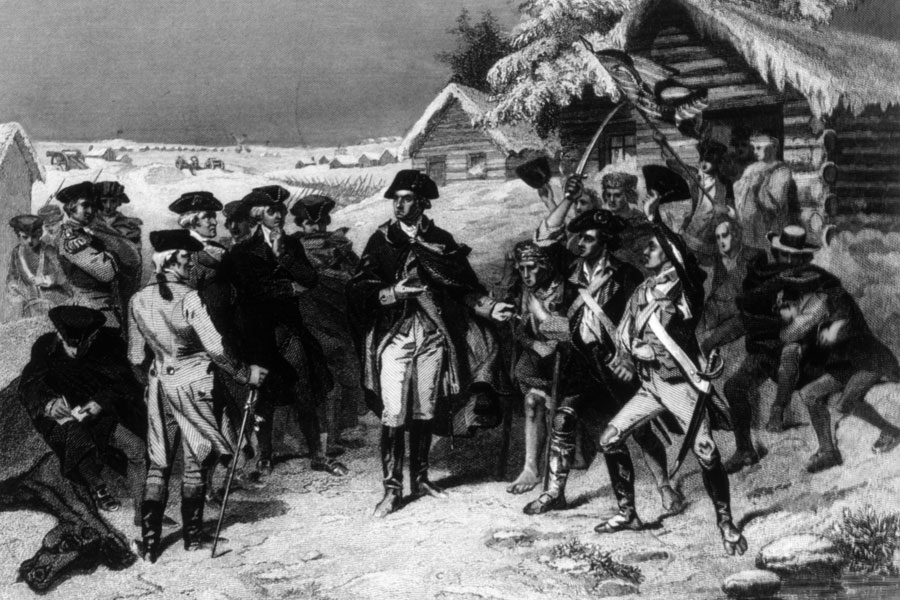
George Washington, the first President of the United States and commander in chief of the Continental Army, is closely tied to the story of Long Island. From the crisis of 1776 in Brooklyn to the intelligence work associated with the Revolutionary War and his 1790 presidential tour, Washington’s presence still echoes across Long Island’s historic villages, waterfront communities, and heritage sites.
The Revolutionary War and Long Island
In August 1776, western Long Island became the setting for one of the most consequential battles of the American Revolution: the Battle of Long Island, also widely known as the Battle of Brooklyn. Although the fighting took place in what is now New York City, the battlefield was geographically part of Long Island, and Washington’s decisions there became central to the survival of the American cause.
- Facing larger British and Hessian forces, Washington oversaw a remarkably successful nighttime withdrawal from Brooklyn Heights across the East River to Manhattan, preserving much of the Continental Army.
- Even in defeat, the escape prevented a catastrophic end to the rebellion and helped keep the fight for independence alive.
- Today, the story of the battle is interpreted through sites, monuments, churches, cemeteries, and historic landscapes in Brooklyn and nearby areas, reminding visitors that Long Island played a decisive early role in the war.
The Culper Spy Ring and Long Island Espionage
Long Island’s importance in the Revolution extended far beyond the battlefield. One of the best-known intelligence networks to serve Washington, the Culper Spy Ring, operated through communities including Setauket and Oyster Bay, gathering information from British-held territory and passing it to the American command.
- Operatives and contacts such as Abraham Woodhull, Caleb Brewster, and the traditionally associated Anna Strong are linked to coded messages, dead drops, whaleboat crossings, and other clandestine methods that helped move intelligence to Washington.
- The network’s reports helped expose British plans and strengthened Washington’s ability to make military decisions during a dangerous stage of the war.
- Many of these stories are still interpreted at heritage sites and museums across Long Island, especially in the Three Village area and Oyster Bay.
Washington’s Presidential Visit
In April 1790, President Washington returned to Long Island as part of an early tour of the new republic. His journey offered a firsthand look at roads, farms, villages, churches, taverns, and the daily life of residents in the young nation.
- His route brought him through Brooklyn and onward to other Long Island communities, and his diary remains an important source for understanding the landscape and settlements he encountered.
- Later commemorations of the trip have been especially strong in places such as Roslyn, Huntington, and Setauket, where Washington’s passage is part of local historical tradition.
- Historic homes, village centers, and museums tied to the Revolutionary era, including Raynham Hall Museum in Oyster Bay, help visitors connect Washington’s story with Long Island’s broader colonial and early national history.
Washington’s Long Island Legacy
Washington’s connection to Long Island lives on through battle history, espionage lore, museums, commemorations, and local pride. From the desperate retreat of 1776 to the secret work of the Culper network and the symbolism of a presidential tour, his legacy remains woven into the region’s identity.
- Long Island’s Washington Spy Trail links communities and stories associated with the Culper Ring and Revolutionary intelligence work.
- Museums and historic homes, including Raynham Hall Museum and other local heritage sites, bring the era to life for students, families, and history-minded travelers.
- Community organizations, reenactors, and educators continue to interpret Long Island’s role in the Revolution through tours, lectures, exhibits, and seasonal events.
Visiting George Washington’s Long Island
Today, travelers can explore Washington-related history across the island through battlefield interpretation, spy-ring landmarks, historic villages, museum collections, and commemorative sites.
- Battle of Long Island Sites: In Brooklyn, visitors can explore places connected to the 1776 campaign and learn how Washington’s retreat shaped the course of the war.
- Long Island’s Washington Spy Trail: Follow the story of America’s early intelligence network with stops in Setauket, Oyster Bay, and other communities tied to the Culper Ring.
- Raynham Hall Museum: Explore one of Oyster Bay’s best-known historic houses for interpretation connected to the Townsend family, Revolutionary intrigue, and Long Island’s colonial past.
- Historic Villages and Streetscapes: Communities such as Roslyn, Huntington, and Setauket preserve architecture and village settings that evoke Washington’s era.
- Local Events: Reenactments, lectures, walking tours, and patriotic observances help keep Revolutionary-era stories visible throughout the year, though schedules and availability may vary.
Museum hours, guided tours, and special-event schedules vary by season, and some historic properties open only on select days or by advance arrangement. Check ahead with the relevant museum, village, or event organizer before making a dedicated trip.
Long Island’s connection to George Washington remains a story of resilience, strategy, and nation-building. By exploring these places and traditions, visitors can better understand how the “Father of His Country” intersected with the landscapes and communities of Long Island.
Quick Info
| Fact | Details |
|---|---|
| Birth/Death | 1732, Westmoreland County, Virginia – 1799, Mount Vernon, Virginia |
| Long Island Legacy | Battle of Long Island in Brooklyn, the Culper Spy Ring, and Washington’s 1790 presidential tour |
| Key Figures | Abraham Woodhull, Caleb Brewster, Anna Strong, and other Culper associates |
| Presidential Term | 1789–1797 |
| Famous Sites | Brooklyn battle sites, Setauket-area spy-ring landmarks, Raynham Hall Museum, and historic North Shore villages |
| Notable Accomplishments | Led the Continental Army, became the first U.S. president, and helped establish key federal precedents |
| Famous Quote | “Associate yourself with men of good quality if you esteem your own reputation.” |
| Battle of Long Island | August 27, 1776; among the largest battles of the American Revolution |
| Fun Fact | Washington’s escape from Brooklyn Heights is widely regarded as one of the most important retreats in American military history |
George Washington’s impact on Long Island remains a living legacy, from battlefield decisions and covert intelligence to presidential travel and public memory. Whether you are a history enthusiast, a resident, or a visitor exploring the island’s Revolutionary past, these stories offer a lasting window into Long Island’s role in the founding of the United States.
Are you ready for fall on Long Island? Check out these local seasonal guides:
🍎 Apple Picking | 🍂 Fall Festivals & Farm Activities | 👻 Haunted Houses | 🎃 Pumpkin Picking