
Battle of Long Island: History, Key Sites
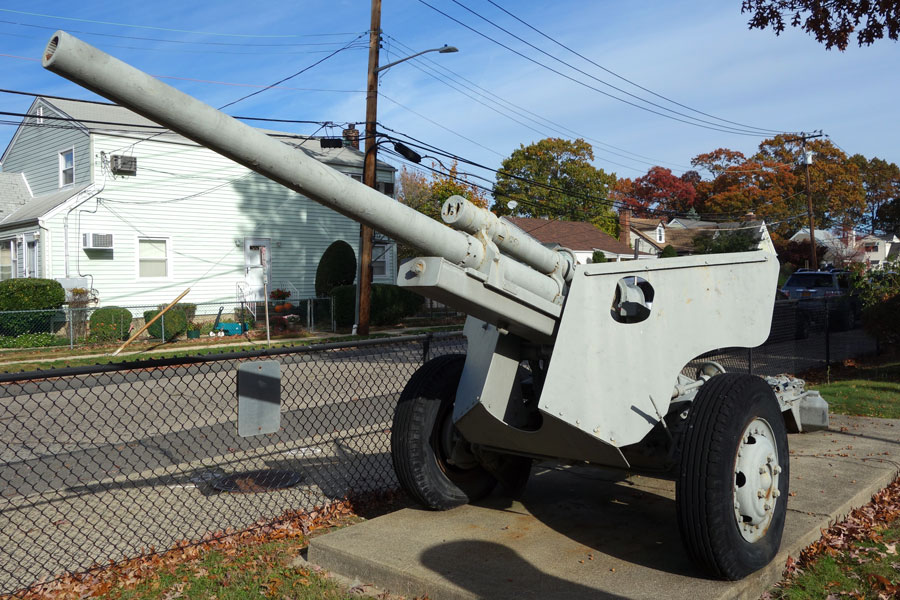
The Battle of Long Island was one of the most important Revolutionary War events connected to Long Island, marking a dramatic early test for George Washington and the Continental Army after American independence was declared. Fought across present-day Brooklyn on August 27, 1776, the battle ended in a major British victory, but Washington’s nighttime evacuation across the East River preserved the American army and helped keep the fight for independence alive.
About the Battle of Long Island
The Battle of Long Island, also known as the Battle of Brooklyn, was the first major battle of the American Revolutionary War after the Declaration of Independence. At the time, Brooklyn was part of Long Island, and the fighting unfolded across a broad area that included today’s Brooklyn Heights, Flatbush, Gowanus, Park Slope, and surrounding neighborhoods.
British forces under General William Howe launched a major campaign to capture New York, one of the most strategically important ports in North America. George Washington, commanding the Continental Army, tried to defend the city by positioning troops on Long Island and Manhattan. The result was a large-scale military confrontation that exposed the inexperience of the American army but also demonstrated Washington’s ability to recover after a major setback.
Why the Battle Happened
After independence was declared in July 1776, the British moved quickly to regain control of New York. The city’s harbor, rivers, and central location made it a critical prize. Whoever controlled New York could influence shipping, military movement, and communications along the Atlantic coast.
Washington understood the importance of New York but faced a difficult defensive problem. His army was still young, unevenly trained, and short on battlefield experience. The British, by contrast, had a large professional force supported by naval power and Hessian troops hired from German states.
Where the Battle Took Place
The battle was fought in what is now Brooklyn, but in 1776 the area was part of western Long Island. The terrain included wooded ridges, roads, farms, marshy ground, and waterfront positions. American defenses were concentrated near Brooklyn Heights, while British and Hessian forces advanced from landing areas farther south and east.
Several modern Brooklyn locations are associated with the battle, including Battle Pass in Prospect Park, the Old Stone House area in Park Slope, Battle Hill in The Green-Wood Cemetery, Gowanus, and Brooklyn Heights overlooking the East River. These places help connect present-day visitors with the geography of the 1776 campaign, even though the original battlefield is now part of a dense urban landscape.
The British Plan
The British strategy relied on numbers, discipline, and maneuver. Rather than simply attack the American lines head-on, British forces used a flanking movement through Jamaica Pass, a route that was not adequately defended by the Americans. This allowed British troops to move around portions of the Continental Army’s forward positions and strike from a more advantageous direction.
Once the British and Hessians advanced, American troops found themselves under pressure from multiple directions. Some units fought fiercely, but the overall American position began to collapse. The British maneuver turned the battle into a costly defeat for Washington’s army.
George Washington and the American Defense
George Washington commanded the Continental Army during the battle, but he faced enormous challenges. He had to defend a large and complicated area with troops who were still learning how to fight as a coordinated army. Many of the soldiers were militia or inexperienced volunteers, and the British had the advantage of professional training, naval support, and greater operational flexibility.
Despite the defeat, Washington’s leadership became especially important after the battle. Rather than allow the army to be trapped and destroyed at Brooklyn Heights, he organized one of the most consequential retreats in American military history.
The Fighting Around Gowanus and the Old Stone House
Some of the most intense fighting occurred near the Gowanus area, where American troops attempted to hold off advancing British forces while other soldiers escaped. The Old Stone House, now reconstructed in Park Slope, is closely associated with this part of the battle and with the desperate American stand often linked to the Maryland troops later remembered as the “Maryland 400.”
The fighting in this area became one of the most remembered parts of the battle because of the sacrifice made by American soldiers who bought time for others to retreat. Although the battle ended in defeat, these actions became part of the Revolutionary War story of endurance, survival, and continued resistance.
Washington’s Nighttime Retreat
The most famous part of the Battle of Long Island came after the fighting ended. Washington’s army was in danger of being trapped against the East River at Brooklyn Heights. If the British had moved quickly and cut off the escape route, much of the Continental Army could have been captured.
Instead, Washington organized a quiet evacuation across the East River to Manhattan during the night of August 29 into the early hours of August 30, 1776. Boats carried soldiers, equipment, and supplies across the water under dangerous conditions. A combination of careful planning, disciplined boat work, and morning fog helped conceal the movement, and the British did not fully grasp the escape until it was too late.
This escape did not erase the defeat, but it saved the army. Without that retreat, the Revolutionary War might have taken a very different course.
Why the Battle Was Important
The Battle of Long Island was a major British victory, but it was not the end of the American Revolution. The British soon gained control of New York City and would hold it for much of the war, yet Washington kept the Continental Army intact. That survival mattered more than the loss of ground in August 1776.
The battle also showed the difference between British military strength and American inexperience in the early months of the war. Washington learned that preserving the army was often more important than holding a fixed position, a lesson that shaped his strategy throughout the Revolution.
Historic Places Connected to the Battle Today
Although the landscape has changed dramatically since 1776, several places in Brooklyn still help visitors connect with the Battle of Long Island.
- The Old Stone House: A reconstructed historic site in Park Slope associated with the fighting near Gowanus.
- Battle Pass in Prospect Park: A historic area connected to the route of the British advance.
- Battle Hill in The Green-Wood Cemetery: One of the highest points in Brooklyn and a location tied to the broader battlefield landscape.
- Brooklyn Heights: The area where Washington’s army withdrew before escaping across the East River.
- Gowanus: A modern Brooklyn neighborhood linked to some of the battle’s most difficult fighting and retreat routes.
Visiting the Battle of Long Island Sites
Visitors interested in Revolutionary War history can explore several battle-related locations as part of a Brooklyn history itinerary. The Old Stone House can be a useful starting point, while Prospect Park and The Green-Wood Cemetery provide additional connections to the battlefield landscape. Brooklyn Heights also offers a strong sense of the terrain and waterfront setting involved in Washington’s escape to Manhattan.
Because the battle took place across a large area that is now heavily developed, visitors should think of the battlefield as a historic district spread across multiple neighborhoods rather than one single preserved site. Walking tours, historic markers, parks, local museums, and cemetery grounds help tell the story in pieces.
- Visitor tip: Expect a multi-stop urban history experience rather than one fenced battlefield park.
- Planning ahead helps: Hours, exhibits, tours, and access rules may vary by location, season, or day of the week.
- Getting around: Public transit can make it easier to visit several sites in one day, while parking conditions vary by neighborhood.
Battle of Long Island and Long Island History
The Battle of Long Island is especially important to Long Island history because it reminds visitors that the region’s role in the American Revolution extended far beyond small local incidents. Western Long Island became the setting for a massive military campaign that helped shape the future of the war.
Although the battlefield is now part of New York City, the event remains central to the larger story of Long Island. It connects the region to the founding of the United States, the struggle for independence, and the military decisions that allowed the American Revolution to continue after early setbacks.
Common Questions About the Battle of Long Island
Was the Battle of Long Island the same as the Battle of Brooklyn?
Yes. The Battle of Long Island is also commonly called the Battle of Brooklyn. In 1776, Brooklyn was part of Long Island, which is why both names are still used.
Who won the Battle of Long Island?
The British won the battle. However, George Washington successfully evacuated much of the Continental Army, preventing the defeat from becoming a total disaster.
Why was the Battle of Long Island important?
The battle was important because it was the first major battle after the Declaration of Independence and one of the largest engagements of the Revolutionary War. It also showed Washington’s ability to preserve his army after a major defeat.
Can you visit Battle of Long Island sites today?
Yes. Several modern Brooklyn locations are associated with the battle, including The Old Stone House, Prospect Park, The Green-Wood Cemetery, Brooklyn Heights, and Gowanus. Visitors should keep in mind that this is not one intact preserved battlefield, but a collection of related sites across the borough.
Map and Location Context
The Battle of Long Island unfolded across present-day Brooklyn, especially in areas around Brooklyn Heights, Flatbush, Gowanus, Park Slope, and the Prospect Park area. The map below centers on Brooklyn Heights, one of the best-known places associated with the campaign, but the historic battlefield itself covered a much broader section of western Long Island.
Key Facts & Details
| Historic Event | Battle of Long Island, also known as the Battle of Brooklyn |
| Date | August 27, 1776 |
| War | American Revolutionary War |
| Location | Present-day Brooklyn, New York, which was part of Long Island in 1776 |
| Primary Battlefield Areas | Brooklyn Heights, Flatbush, Gowanus, Park Slope, Prospect Park area, and surrounding portions of western Long Island |
| American Commander in Chief | General George Washington |
| British Commander | General William Howe |
| British Strategy | A major flanking maneuver through Jamaica Pass helped British forces move around American defensive positions |
| Result | British victory |
| Why It Mattered | The defeat threatened the survival of the Continental Army, but Washington successfully withdrew his forces and preserved the army for the continued fight for independence |
| Washington’s Retreat | During the night of August 29 into the early hours of August 30, 1776, the Continental Army was evacuated across the East River from Brooklyn Heights to Manhattan |
| Notable Fighting | Heavy fighting took place around Gowanus and the Old Stone House area, including actions associated with the Maryland troops remembered as the “Maryland 400” |
| British Landing | British forces landed on Long Island in August 1776 as part of the campaign to capture New York |
| Historic Context | The battle was the first major military engagement after the Declaration of Independence was adopted in July 1776 |
| Modern Historic Sites | The Old Stone House, Battle Pass in Prospect Park, Battle Hill in The Green-Wood Cemetery, Brooklyn Heights, and Gowanus |
| Visiting Today | The battlefield is spread across multiple modern Brooklyn neighborhoods rather than preserved as a single battlefield park |
| July 1776 | The Declaration of Independence is adopted and New York becomes a major British military objective |
| August 1776 | British forces land on Long Island as part of the campaign to capture New York |
| August 27, 1776 | The main Battle of Long Island is fought across present-day Brooklyn |
| August 29–30, 1776 | Washington evacuates the Continental Army from Brooklyn Heights across the East River to Manhattan |
| Late August–September 1776 | British forces consolidate their control in the New York region while Washington’s army survives to continue the war |
The Battle of Long Island remains one of the clearest examples of how a place can hold national importance even when the modern landscape looks very different from the battlefield of the past. For visitors, students, and history enthusiasts, the story offers more than a record of military defeat. It shows how leadership, timing, geography, and survival shaped the early course of the American Revolution.
Are you ready for fall on Long Island? Check out these local seasonal guides:
🍎 Apple Picking | 🍂 Fall Festivals & Farm Activities | 👻 Haunted Houses | 🎃 Pumpkin Picking