
Fire Island National Seashore
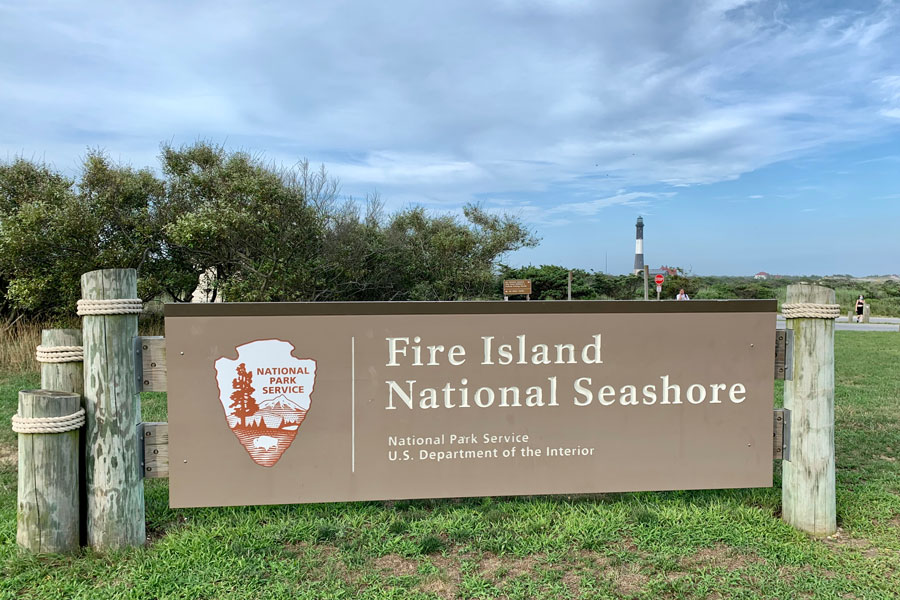
Fire Island National Seashore is a federally protected coastal park on and around Fire Island, New York. Administered by the National Park Service, the Seashore protects beaches, dunes, maritime forests, wetlands, wilderness, historic sites, and important wildlife habitat along Long Island’s South Shore. It offers visitors a quieter and more natural way to experience Fire Island, with opportunities for hiking, swimming, boating, camping, birdwatching, ranger programs, and exploring some of the region’s most distinctive coastal landscapes.
Although its name is closely associated with the barrier island, Fire Island National Seashore does not encompass all of Fire Island. The island also includes incorporated villages, residential communities, private property, and other public destinations such as Robert Moses State Park. The National Seashore instead manages a collection of protected areas and facilities, including the Fire Island Lighthouse, Sailors Haven, Watch Hill, the Otis Pike Fire Island High Dune Wilderness, and the William Floyd Estate in Mastic Beach on the Long Island mainland.
A National Seashore Since 1964
Congress established Fire Island National Seashore in 1964 to preserve the island’s natural and cultural resources while maintaining public access to its beaches and historic places. The designation recognized Fire Island as more than a summer destination. Its shifting dunes, tidal marshes, maritime forests, bayside waters, and Atlantic shoreline form a dynamic barrier-island system that continues to change with storms, tides, wind, and sea-level conditions.
The park’s protected landscapes provide a striking contrast to the surrounding New York metropolitan area. Visitors can find wide ocean beaches, boardwalks through shaded forest, quiet bayside marinas, and long stretches where development is limited. That combination of natural scenery, recreation, and preservation is central to the National Seashore’s identity.
Seashore Sites and Natural Areas
Fire Island National Seashore is made up of several distinct destinations rather than one single entrance or visitor area. Each offers a different way to experience the park:
- Fire Island Lighthouse: Near the western end of the island, the historic Fire Island Lighthouse is among Long Island’s best-known landmarks. The grounds, museum exhibits, and seasonal tower climbs connect visitors with the island’s maritime history and provide views of the Atlantic Ocean, dunes, and Great South Bay.
- Sailors Haven and the Sunken Forest: Sailors Haven is a bayside National Park Service destination reached by ferry or private boat. It is best known for the Sunken Forest, a rare maritime holly forest that grows in a protected dune swale below the surrounding sand ridges. A boardwalk allows visitors to explore the forest while helping protect its sensitive habitat.
- Watch Hill: Watch Hill offers a marina, campground, visitor services, beach access, and trails. It is a popular base for boaters, campers, and visitors who want to spend more time within the National Seashore.
- Otis Pike Fire Island High Dune Wilderness: This protected expanse near the eastern portion of Fire Island preserves one of the most undeveloped sections of the barrier island. It is the only federally designated wilderness area in New York State and is valued for its dunes, beach habitat, solitude, and natural processes.
- William Floyd Estate: Located in Mastic Beach, the William Floyd Estate preserves the home and grounds associated with William Floyd, a signer of the Declaration of Independence. While it is not located on Fire Island itself, it is administered as part of Fire Island National Seashore and adds an important historic dimension to the park.
Beaches, Dunes, and Wildlife
The Atlantic beaches of Fire Island are an important part of the National Seashore experience, but they are also working ecosystems. Dunes help protect the barrier island from storms and provide habitat for native plants and animals. Visitors should stay on designated paths and boardwalks where provided, avoid walking through protected dune areas, and follow posted restrictions that may be in place for nesting birds or other sensitive wildlife.
Birdwatching is particularly popular throughout the Seashore. Depending on the season, visitors may see shorebirds, wading birds, raptors, waterfowl, migratory songbirds, and federally protected species such as the piping plover. Deer, foxes, seals, horseshoe crabs, butterflies, and a variety of marine life may also be encountered in or near the park’s coastal environments. Wildlife should always be observed from a respectful distance.
Recreation and Things to Do
Visitors come to Fire Island National Seashore for both active recreation and quiet exploration. Activities vary by site, season, weather, and posted conditions, but commonly include:
- Walking and hiking: Boardwalks, beach routes, nature trails, and sandy paths provide access to the shoreline, forests, wetlands, and historic areas.
- Swimming and beachgoing: Ocean access is available in several areas, though lifeguard coverage, facilities, and swimming conditions vary. Always follow posted safety notices and never assume a beach is staffed.
- Boating and marina access: Watch Hill and Sailors Haven are well-known bayside destinations for private boaters. Dockage, slips, and related services may require advance planning.
- Camping: Camping opportunities are available in designated National Seashore areas, with specific rules, reservations, seasonal schedules, and equipment requirements. Check current National Park Service guidance before planning an overnight stay.
- Nature study and photography: The changing light, dunes, beach grasses, birds, maritime forest, and bay-to-ocean scenery make the park especially appealing to photographers and nature enthusiasts.
- Ranger-led programs: The National Park Service may offer guided walks, talks, educational programs, and seasonal activities that provide deeper context about Fire Island’s ecology, history, and preservation.
Getting There and Planning a Visit
Access depends on the Seashore site you plan to visit. The Fire Island Lighthouse can be reached year-round by car to the Robert Moses State Park Field 5 area, followed by a walk to the lighthouse grounds. Many other National Seashore destinations are reached by passenger ferry, private boat, or a combination of Long Island Rail Road service and local transportation. Ferries from Bay Shore, Sayville, and Patchogue serve Fire Island communities and can provide access near several park areas.
There is no single all-purpose entrance for the entire National Seashore, and facilities are not open on the same schedule year-round. Ferry schedules, marina services, camping availability, visitor centers, restrooms, food concessions, ranger programs, and beach access can all change by season. Before making a special trip, review the official Fire Island National Seashore visitor information and confirm the specific site you intend to visit.
Protecting a Dynamic Barrier Island
Fire Island is not a fixed landscape. Storms can reshape beaches, shift sand, open or close inlets, damage boardwalks, and temporarily alter access conditions. The National Park Service monitors these changes while working to protect habitat, historic resources, and public access where practical. Visitors play an important role by respecting closures, carrying out trash, avoiding sensitive vegetation, and following all regulations concerning fires, pets, fishing, camping, and off-road vehicle use.
Map and Visitor Access
Key Facts & Details
| Location | Fire Island and the Long Island South Shore, Suffolk County, New York |
| Established | 1964 |
| Managed By | National Park Service |
| What It Protects | Ocean beaches, dunes, maritime forests, wetlands, wilderness, wildlife habitat, and historic resources |
| Major Seashore Sites | Fire Island Lighthouse, Sailors Haven, Sunken Forest, Watch Hill, Otis Pike Fire Island High Dune Wilderness, and the William Floyd Estate |
| Western Access | Fire Island Lighthouse via Robert Moses State Park Field 5 |
| Other Access | Passenger ferry, private boat, walking routes, and selected mainland access points depending on the destination |
| Popular Activities | Beachgoing, hiking, camping, boating, birdwatching, photography, lighthouse visits, and ranger programs |
| Important Distinction | The National Seashore protects specific federal park areas; it does not include all of Fire Island, New York. |
| Before You Go | Confirm current ferry schedules, facility hours, reservations, weather conditions, closures, and site-specific rules through the National Park Service. |
Fire Island National Seashore preserves the part of Fire Island that feels most connected to the island’s natural character: open beach, wind-shaped dunes, quiet forest, bayside water, wildlife, and historic landmarks that remain deeply tied to Long Island’s coastal past. Whether you visit for a lighthouse climb, a walk through the Sunken Forest, a day at the beach, or an overnight stay at Watch Hill, the Seashore offers a remarkable opportunity to experience a protected barrier island only a short distance from New York City.
Are you ready for fall on Long Island? Check out these local seasonal guides:
🍎 Apple Picking | 🍂 Fall Festivals & Farm Activities | 👻 Haunted Houses | 🎃 Pumpkin Picking