
Smithtown, New York
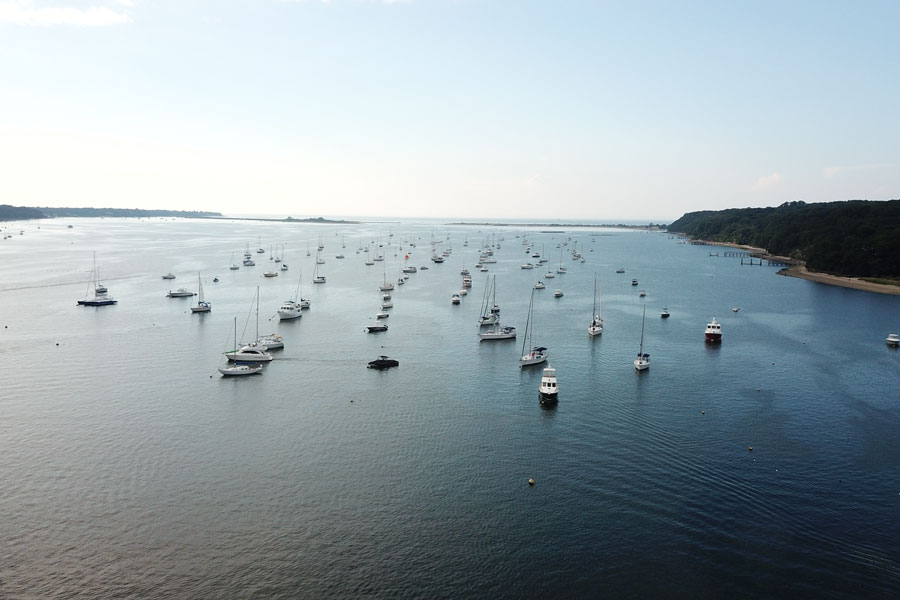
Smithtown, New York, is located on Long Island’s North Shore in western Suffolk County, about 50 miles east of Manhattan. The hamlet of Smithtown serves as the historic downtown, civic, transportation, and commercial center within the much larger Town of Smithtown. Visitors are drawn to the area’s colonial history, parks, hiking trails, shopping, restaurants, railroad access, and proximity to the Long Island Sound and the Nissequogue River.
The wider Town of Smithtown extends from inland residential and business districts north to the Long Island Sound shoreline. It includes communities such as Smithtown, Kings Park, St. James, Nesconset, portions of Commack and Hauppauge, and several incorporated villages. Together, these areas give Smithtown a broad mix of downtown districts, suburban neighborhoods, waterfront communities, historic sites, medical and professional services, shopping centers, and protected parkland.
History & the Legend of the Bull
- Indigenous history: Long before European settlement, the region was inhabited by Indigenous people whose communities were closely connected to the forests, freshwater streams, coastline, and tidal environments of the North Shore.
- Colonial settlement: European settlement developed during the 17th century through land agreements, patents, farming, milling, and the gradual formation of permanent communities.
- Richard “Bull” Smith: Local tradition holds that Richard Smith claimed land by riding a bull around its boundaries during the longest day of the year. Historians generally treat the story as folklore rather than a literal account, but the legend remains one of Long Island’s best-known local tales.
- Smithtown Bull: The bull statue near the Jericho Turnpike corridor is one of the town’s most recognizable landmarks and continues to symbolize Smithtown’s identity and founding legend.
- Town development: Smithtown’s colonial roots were followed by agricultural, commercial, railroad, and suburban growth. Historic homes, churches, cemeteries, mills, and civic sites continue to reflect different periods of the town’s development.
Smithtown Hamlet & Downtown
- Main Street: Smithtown’s central business area follows Main Street and the Jericho Turnpike corridor, with restaurants, shops, professional offices, banks, medical services, and everyday businesses.
- Civic center: The hamlet contains town offices, public institutions, libraries, historic properties, and services used by residents from throughout the larger municipality.
- Railroad district: The area around Smithtown station connects the hamlet with the Long Island Rail Road and provides access to surrounding neighborhoods and commercial areas.
- Local character: Smithtown’s downtown is more spread out and automobile-oriented than some compact waterfront villages, but it retains a recognizable central corridor with dining, shopping, civic landmarks, and community activity.
- Visitor appeal: The hamlet works well as a base for reaching nearby parks, historic sites, shopping destinations, railroad stations, and North Shore communities.
Population & Communities
- Town population: The 2020 Census counted 116,296 residents in the Town of Smithtown.
- Smithtown hamlet: The central hamlet contains the historic downtown, railroad station, civic institutions, established residential neighborhoods, and commercial corridors.
- Major communities: The town includes Smithtown, Kings Park, St. James, Nesconset, and portions of Commack and Hauppauge.
- Incorporated villages: Head of the Harbor, Nissequogue, and the Village of the Branch are incorporated villages within the town, each with its own residential character and local government.
- Community character: The town includes downtown corridors, traditional suburban neighborhoods, wooded residential areas, historic villages, medical and professional centers, parks, riverfront environments, and Long Island Sound shoreline.
Transportation & Connectivity
- Rail service: The Long Island Rail Road’s Port Jefferson Branch serves the town through stations in Kings Park, Smithtown, and St. James. Trains continue east toward Stony Brook and Port Jefferson, and west toward major transfer points and New York City terminals.
- New York City connections: Depending on the train and time of day, passengers can travel toward Penn Station, Grand Central Madison, Atlantic Terminal, and other western destinations. Transfers may be required.
- Major highways: Regional access is provided by the Long Island Expressway, the Northern State Parkway, the Sagtikos State Parkway, and the Sunken Meadow State Parkway.
- Local roads: Important routes include Jericho Turnpike, Route 25A, the Nesconset Highway, and Nicolls Road.
- Bus service: Suffolk County Transit operates routes serving portions of Smithtown and nearby communities. Service patterns, frequency, and operating days vary by route.
- Regional access: Smithtown’s central position makes it practical for reaching western Suffolk County, the North Shore, Stony Brook, Port Jefferson, Huntington, and major employment areas near Hauppauge and Commack.
Parks & Recreation
- Caleb Smith State Park Preserve: This preserve protects woodlands, ponds, wetlands, freshwater habitat, historic structures, and sections of the Nissequogue River system. It is popular for walking, birdwatching, nature programs, and freshwater fishing.
- Sunken Meadow State Park: One of the town’s signature destinations, this large state park offers a Long Island Sound beach, boardwalk, picnic areas, athletic fields, hiking trails, golf, fishing, and scenic views across the water.
- Nissequogue River State Park: Located in Kings Park, the park includes trails, waterfront views, historic grounds, open space, and access to the Nissequogue River environment.
- Blydenburgh County Park: This major county park offers wooded trails, freshwater scenery, fishing, camping, paddling, picnicking, and access to portions of the Greenbelt Trail.
- Town facilities: The wider town contains neighborhood parks, playgrounds, athletic fields, pools, beaches, marinas, nature areas, and recreation programs serving communities throughout Smithtown.
- Outdoor activities: Popular activities include hiking, cycling, fishing, kayaking, birdwatching, golfing, picnicking, and visits to Long Island Sound beaches.
Nissequogue River & North Shore Environment
- Nissequogue River: The river is one of the town’s defining natural features, flowing through freshwater and tidal environments before reaching Smithtown Bay and the Long Island Sound.
- River recreation: The Nissequogue is used for kayaking, canoeing, fishing, wildlife observation, and environmental education, although access and conditions vary by location and tide.
- Long Island Sound: Northern portions of the town reach the Long Island Sound, providing beach access, coastal views, fishing, boating, and important marine habitat.
- Protected habitats: Parks and preserves protect forests, freshwater wetlands, tidal marshes, river corridors, bluff areas, and wildlife habitat across the town.
- Environmental importance: Preserving open space and water quality is especially important in Smithtown because of the Nissequogue River watershed, drinking-water resources, coastal habitats, and continuing suburban development.
Historic Sites & Local Interest
- Smithtown Bull: The bull statue remains the town’s most recognizable symbol and connects modern Smithtown with the traditional story of Richard “Bull” Smith.
- Smithtown Historical Society: Historic properties, collections, educational programs, and community events help preserve the area’s colonial and local history.
- Historic homes and churches: Smithtown and St. James contain preserved homes, religious buildings, cemeteries, and streetscapes connected to the town’s long development.
- Kings Park Psychiatric Center: The former state hospital complex is one of the region’s best-known historic institutional sites. Portions of the surrounding property are now incorporated into parkland, while access to abandoned structures is restricted.
- Local culture: Libraries, historical organizations, arts groups, concerts, civic programs, seasonal festivals, and community events contribute to cultural life throughout the town.
Shopping, Dining & Local Business
- Downtown Smithtown: Main Street and Jericho Turnpike contain restaurants, cafes, professional offices, medical practices, banks, shops, and neighborhood services.
- St. James and Kings Park: These communities have their own local commercial districts, restaurants, small businesses, and community-oriented shopping areas.
- Smith Haven Mall: Located nearby in Lake Grove, this major regional shopping center serves Smithtown and surrounding central Suffolk County communities.
- Regional corridors: Commercial and employment activity also extends toward Commack, Hauppauge, and the Route 25 and Route 347 corridors.
- Local economy: Health care, education, retail, professional services, government, construction, hospitality, transportation, and small businesses are important parts of the town’s economic base.
Health Care, Education & Institutions
- Health care: St. Catherine of Siena Hospital and surrounding medical practices make Smithtown an important health-care center for nearby North Shore communities.
- Public schools: Much of the central town is served by the Smithtown Central School District. Other portions are served by districts associated with Kings Park, Commack, Hauppauge, Sachem, Middle Country, and neighboring areas.
- Libraries: Public library systems provide research resources, children’s programs, community meetings, educational services, and cultural events throughout the town.
- Nearby higher education: Residents have access to institutions across central Suffolk County, including Stony Brook University and Suffolk County Community College.
- Civic life: Town government, fire districts, libraries, schools, historical groups, youth sports, nonprofit organizations, and community associations contribute to active year-round civic participation.
Housing & Lifestyle
- Smithtown hamlet: Housing includes older homes near the historic center, established suburban neighborhoods, apartments, condominiums, and properties near parks and commercial corridors.
- Kings Park and St. James: Kings Park and St. James offer established neighborhoods, local downtown areas, railroad access, parks, and a mix of traditional and newer housing.
- Nesconset and inland neighborhoods: Nesconset and surrounding inland areas contain suburban residential development with convenient access to schools, shopping, highways, and regional employment centers.
- Waterfront and village settings: Northern sections of the town include wooded estates, river-adjacent homes, historic village environments, and residential areas closer to the Long Island Sound.
- Everyday appeal: Residents value Smithtown’s parks, schools, health-care access, shopping, rail service, community programs, suburban neighborhoods, and proximity to both the North Shore and central Suffolk County.
Smithtown, New York
Smithtown Snapshot
| Feature | Details |
|---|---|
| Primary community | Smithtown hamlet and its downtown, railroad, civic, and commercial areas |
| Larger municipality | Town of Smithtown |
| Town population | 116,296 residents according to the 2020 Census |
| Location | North Shore of western Suffolk County, about 50 miles east of Manhattan |
| Historic roots | 17th-century settlement, colonial land patents, and the legend of Richard “Bull” Smith |
| Character | Historic center, suburban neighborhoods, waterfront villages, parks, medical services, and commercial corridors |
| Transportation | LIRR Port Jefferson Branch, Suffolk County Transit, Long Island Expressway, Northern State Parkway, Sagtikos State Parkway, and Sunken Meadow State Parkway |
| Water access | Nissequogue River, Smithtown Bay, and the Long Island Sound |
| Major parks | Caleb Smith State Park Preserve, Sunken Meadow State Park, Nissequogue River State Park, and Blydenburgh County Park |
| Shopping | Downtown Smithtown, local business districts, and nearby Smith Haven Mall in Lake Grove |
| Popular activities | Hiking, fishing, kayaking, golfing, shopping, dining, park visits, and historic sightseeing |
| Notable communities | Kings Park, St. James, Nesconset, Commack, and Hauppauge |
| Local landmark | The Smithtown Bull statue and the legend of Richard “Bull” Smith |
Smithtown combines the conveniences of a central downtown with the parks, waterways, historic communities, and suburban neighborhoods of the larger North Shore town. Visitors can explore the Smithtown Bull legend, walk through Caleb Smith State Park Preserve, spend time along the Nissequogue River, visit Sunken Meadow State Park, or use the hamlet as a base for reaching Kings Park, St. James, Nesconset, Commack, and Hauppauge. Its combination of history, transportation, health care, shopping, recreation, and natural scenery makes Smithtown an important year-round destination in western Suffolk County.
Clarifying the Town of Smithtown vs. Smithtown Hamlet
Although they share the same name, the Town of Smithtown and Smithtown hamlet are not the same thing. The Town of Smithtown is the larger municipality in Suffolk County and includes Smithtown, Kings Park, St. James, Nesconset, portions of Commack and Hauppauge, and several incorporated villages. Smithtown hamlet refers specifically to the central community containing the downtown, railroad station, civic institutions, residential neighborhoods, and nearby commercial corridors. Major destinations such as Sunken Meadow State Park and Nissequogue River State Park are elsewhere within the larger town even though they are commonly described as Smithtown attractions.
Are you ready for fall on Long Island? Check out these local seasonal guides:
🍎 Apple Picking | 🍂 Fall Festivals & Farm Activities | 👻 Haunted Houses | 🎃 Pumpkin Picking