
History of Long Island
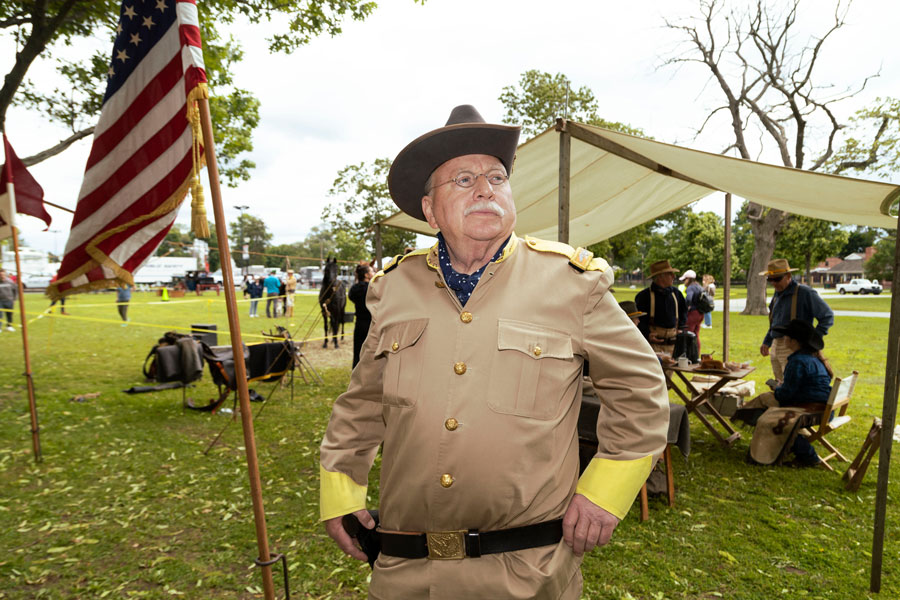
Long Island’s history stretches back thousands of years and includes Indigenous homelands, European colonization, colonial conflict, maritime commerce, railroad expansion, Gilded Age wealth, wartime industry, and postwar suburban growth. This overview highlights major eras that helped shape the Island and the communities visitors encounter today.
Indigenous History and Living Heritage (Before European Colonization and Beyond)
- Indigenous Homelands: Long Island was home to several Indigenous peoples, including the Montaukett, Shinnecock, Matinecock, Unkechaug, and Canarsie. These communities maintained fishing grounds, farms, trade routes, and settlements across the Island long before European arrival.
- Wampum and Regional Trade: Shell beads produced from local quahog and whelk shells held ceremonial, diplomatic, and economic importance in Indigenous and later colonial exchange networks.
- Living Legacy: Many Long Island place names have Indigenous roots, and Native communities remain an active part of the region’s cultural life today rather than only a subject of the distant past.
European Colonization and Settlement (1600s–1700s)
- Dutch and English Expansion: The Dutch asserted claims in western Long Island as part of New Netherland, while English settlers from New England established eastern communities like Southold and Southampton in the 17th century.
- Land Loss and Displacement: Colonial expansion, disease, warfare, and unequal land transactions severely disrupted Native communities and reduced Indigenous control of ancestral lands.
- Revolutionary War: Long Island became a strategic theater of the American Revolution. The Battle of Long Island, also known as the Battle of Brooklyn, was the largest battle of the war, and much of the Island remained under British control for an extended period.
19th Century Growth (1800s)
- Maritime Economy: Whaling and shipping ports like Sag Harbor prospered, while oyster harvesting, clamming, fishing, and coastal trade became essential to many shore communities.
- Railroad Expansion: The Long Island Rail Road (LIRR), chartered in 1834, connected farms, villages, and resort areas to New York City and helped lay the groundwork for later commuter and suburban growth.
- Cultural Shifts: Artists and writers increasingly documented Long Island life, including Walt Whitman, who was born in West Hills in the Huntington area and drew on Long Island landscapes and experience in his work.
The Rise of the Gold Coast (1890s–1930s)
- Industrial Wealth: Some of America’s wealthiest families, including the Vanderbilts, Morgans, Goulds, and others, built expansive estates along the North Shore.
- Architectural Grandeur: These mansion complexes featured formal gardens, carriage houses, waterfront access, and European-inspired architecture. Several surviving properties can still be visited today as museums, cultural sites, or event venues.
- Gilded Age Influence: The Gold Coast became associated with opulence and high society, and its atmosphere is often linked with the world of F. Scott Fitzgerald’s The Great Gatsby.
World War II and Beyond (1940s–1960s)
- Aviation and Defense: Long Island became a major center of aircraft and defense manufacturing. Bethpage and Farmingdale were especially important to the wartime effort and later aerospace development.
- Suburban Boom: After World War II, Levittown became the best-known symbol of mass-produced suburban housing. Its growth helped define postwar America, while also reflecting the era’s unequal housing policies and patterns of exclusion.
Modern Long Island (1970s–Present)
- Diverse Communities: Long Island continues to evolve through immigration, demographic change, and the growth of culturally varied downtowns, neighborhoods, and business districts.
- Preservation and Tourism: Historic estates, maritime villages, lighthouses, museums, wineries, and state parks help preserve the region’s past while drawing visitors throughout the year.
- Economic Change: While defense and aerospace remain part of Long Island’s story, the modern economy also relies heavily on healthcare, education, research, technology, small business, and tourism.
Quick Facts & Details
| Category | Details |
|---|---|
| Earliest Inhabitants | Indigenous peoples including the Montaukett, Shinnecock, Matinecock, Unkechaug, and Canarsie |
| European Settlement | Primarily Dutch and English settlements beginning in the 1600s |
| Colonial Communities | Southold, Southampton, Huntington, Brookhaven, Oyster Bay, and other early settlements |
| Major Revolutionary War Event | Battle of Long Island (1776) |
| 19th Century Economy | Whaling, shipping, fishing, agriculture, maritime trade, and expansion of the Long Island Rail Road |
| Gold Coast Era | Late 1800s through early 1900s estate development along the North Shore |
| World War II Role | Aircraft manufacturing, defense production, and aviation innovation centered around communities such as Bethpage and Farmingdale |
| Postwar Development | Rapid suburban growth led by communities such as Levittown |
| Modern Economy | Healthcare, education, research, technology, tourism, small business, and aerospace |
| Best Known For | Colonial history, Gold Coast estates, maritime heritage, aviation, and suburban development |
Today, visitors can experience Long Island history in many forms: preserved mansions on the North Shore, waterfront villages with deep maritime roots, railroad-era downtowns, Native heritage, military and aviation collections, and neighborhoods shaped by waves of migration and suburban development. Many historic houses, museums, and guided properties operate on seasonal schedules or limited tour days, so it is wise to check ahead before visiting a specific site. From Indigenous homelands and colonial struggles to Gold Coast estates, wartime industry, and the growth of modern suburbs, Long Island’s past remains woven into the places people live, work, and explore today.
Are you ready for fall on Long Island? Check out these local seasonal guides:
🍎 Apple Picking | 🍂 Fall Festivals & Farm Activities | 👻 Haunted Houses | 🎃 Pumpkin Picking