
Where are the best places to go sailing on Long Island?
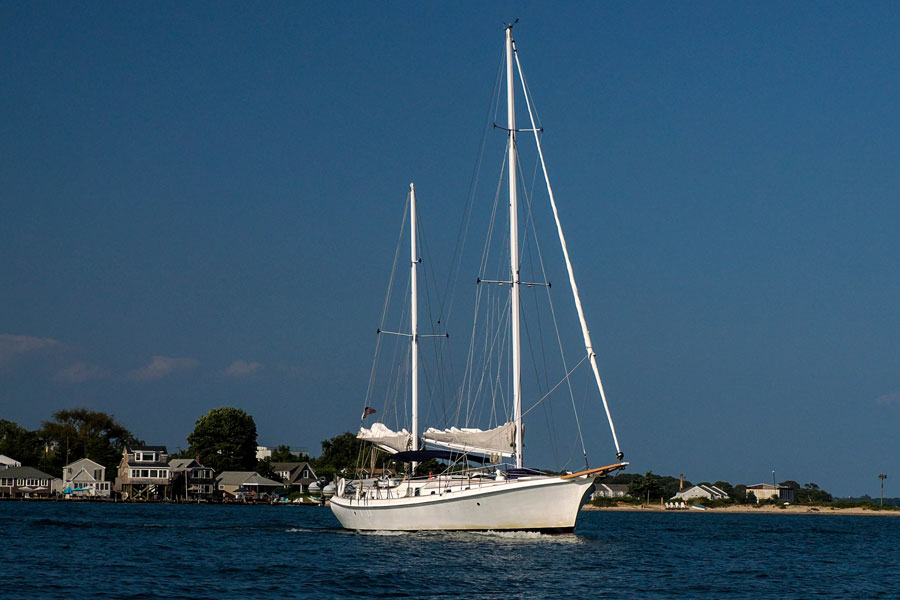
The best places to go sailing on Long Island include the Long Island Sound, Great South Bay, the Peconic Bays, Gardiners Bay, and the waters surrounding Shelter Island and Montauk. These destinations offer everything from protected bays suitable for relaxed day sailing to broad stretches of open water better suited to experienced sailors.
In Short
The Long Island Sound is the strongest overall choice for varied sailing and access to established harbor communities. The Great South Bay is especially popular for protected sailing near Fire Island, while the Peconic Bays and Gardiners Bay provide some of the most scenic sailing on the East End. The waters near Montauk offer a more demanding open-water experience.
Where Are the Best Places to Go Sailing on Long Island?
Long Island is surrounded by several very different bodies of water, so the best place to sail depends on experience, boat size, weather, desired scenery, and whether the trip is intended for a few hours or an entire day. Sheltered bays generally provide calmer conditions, while the Sound, Gardiners Bay, Block Island Sound, and the waters off Montauk can involve stronger wind, current, waves, and commercial traffic.
Long Island Sound
The Long Island Sound is one of the island’s premier sailing areas. It stretches along the entire North Shore and combines broad open water with numerous protected harbors, yacht clubs, marinas, and waterfront villages.
Popular departure areas include Port Washington on Manhasset Bay, Oyster Bay, Huntington, Northport, Port Jefferson, and Mattituck on the North Fork. Sailors can remain near sheltered harbors or venture farther into the Sound for longer passages.
Best for: Experienced day sailors, cruising sailboats, club racing, harbor-to-harbor trips, and sailors seeking the widest variety of routes.
Great South Bay
The Great South Bay lies between Long Island’s South Shore and Fire Island. Its relatively protected setting, broad views, waterfront communities, and long sailing tradition make it one of the island’s most recognizable recreational sailing areas.
Common access communities include Babylon, Bay Shore, Islip, Sayville, Blue Point, and Patchogue. Sailors can enjoy views of Fire Island and reach destinations near Ocean Beach, Sailors Haven, Watch Hill, and other bayfront locations where docking or mooring is available.
The bay is generally more protected than the Atlantic Ocean, but it is also shallow in many areas. Sailors must remain aware of marked channels, shoals, changing tides, and the draft of their boat.
Best for: Day sailing, smaller sailboats, protected-water cruising, Fire Island trips, and sailors who prefer broad bay scenery.
Peconic Bays
The Peconic Bays occupy the waters between the North Fork and South Fork. This interconnected system includes Great Peconic Bay, Little Peconic Bay, and several smaller bays, creeks, coves, and harbors.
Sailing from areas such as Riverhead, Southold, New Suffolk, Cutchogue, Sag Harbor, and Southampton gives boaters access to changing scenery that includes vineyards, farmland, waterfront estates, beaches, and sheltered coves.
The Peconic system provides enough space for extended sailing while remaining more protected than the Atlantic Ocean. Conditions can still change quickly, particularly where currents, channels, and larger bodies of water meet.
Best for: Scenic day sailing, cruising between the forks, mixed-skill crews, and sailors who want protected water with multiple destinations.
Shelter Island and Gardiners Bay
The waters surrounding Shelter Island connect the Peconic Bays with Gardiners Bay and create one of Long Island’s most scenic sailing regions. Harbors, creeks, wooded shorelines, historic waterfront properties, and nearby islands give the area the character of a classic coastal cruising destination.
Greenport and Sag Harbor are two of the most useful starting points for this region. Sailors can travel around Shelter Island, enter protected harbors, or continue into Gardiners Bay for a broader and more exposed sailing experience.
Gardiners Bay offers longer sightlines and stronger open-water character than the inner Peconic Bays. Nearby destinations include Orient Point, Cedar Point, Three Mile Harbor, and the shoreline of the East Hampton area.
Best for: Destination sailing, scenic cruising, experienced day sailors, overnight trips, and exploring both the North Fork and South Fork.
Huntington Bay and Northport Bay
Huntington Bay and Northport Bay provide some of the best North Shore sailing for boaters who want protected harbors combined with direct access to the Long Island Sound. The surrounding communities have a long boating history, numerous marinas, yacht clubs, mooring areas, and sheltered places to begin or end a trip.
Sailors can depart from Huntington Harbor or Northport Harbor, remain within the bays, or head beyond Lloyd Neck and Eaton’s Neck into the Sound. The combination of sheltered water and open-water access makes this area especially versatile.
Best for: Harbor sailing, sailing instruction, yacht-club activity, day cruising, and gradual progression into Long Island Sound sailing.
Port Jefferson Harbor
Port Jefferson offers a protected natural harbor with convenient access to the central Long Island Sound. The harbor supports ferries, marinas, recreational boats, and an active waterfront village, making it a practical base for sailing excursions.
Inside the harbor, sailors benefit from more sheltered surroundings. Beyond the harbor entrance, the sailing becomes more exposed and requires attention to wind, waves, tides, ferry traffic, and other commercial vessels.
Best for: Central Sound access, harbor-to-open-water sailing, longer day trips, and boaters who want a waterfront village as their base.
Montauk and Block Island Sound
Montauk provides Long Island’s most dramatic and demanding sailing environment. The waters around Montauk Point connect the Atlantic Ocean, Block Island Sound, and the eastern approaches to Gardiners Bay and Long Island Sound.
Montauk Harbor gives sailors a protected starting point, but conditions outside the harbor can include strong currents, ocean swells, fog, rapidly changing weather, fishing traffic, and substantial distances between protected destinations. These waters are generally better suited to experienced sailors and properly equipped boats.
Best for: Advanced sailors, offshore-capable boats, open-water passages, and experienced crews seeking a more challenging sailing destination.
Where Can Beginners Learn to Sail?
Beginners are generally best served by sailing schools, community programs, yacht clubs, and charter operators working from protected harbors or bays. Areas around Port Washington, Oyster Bay, Huntington, Northport, Port Jefferson, the Great South Bay, and the Peconic Bays provide access to instruction and sheltered practice areas.
New sailors should not choose a location based solely on scenery. Professional instruction, properly fitted personal flotation devices, suitable weather, a stable training boat, and supervision by an experienced operator are more important than the destination itself.
What Should Sailors Know Before Going?
Conditions around Long Island vary significantly with wind direction, tide, current, fog, thunderstorms, boat traffic, and water depth. Great South Bay and portions of the Peconic system contain shallow areas, while the Long Island Sound and Montauk waters may become rough when wind opposes the current.
Before leaving, sailors should review marine forecasts, tide and current information, navigation charts, local notices, channel markers, marina rules, and the operating condition of the vessel. Required safety equipment should be aboard, and a float plan should be left with someone on shore.
Why We Chose These Sailing Destinations
| Sailing Area | Why It Was Selected |
|---|---|
| Long Island Sound | Best overall variety, with broad open water, numerous harbors, established sailing communities, and routes suitable for day sailing or longer cruising |
| Great South Bay | Iconic South Shore sailing area with protected water, Fire Island destinations, and strong appeal for smaller boats and relaxed day trips |
| Peconic Bays | Scenic and comparatively protected waters connecting the North Fork, South Fork, vineyards, villages, coves, and harbors |
| Shelter Island and Gardiners Bay | Outstanding destination sailing with island scenery, historic ports, protected harbors, and access to broader East End waters |
| Huntington and Northport Bays | Strong combination of sheltered harbor sailing, instruction, marina access, yacht-club activity, and direct access to Long Island Sound |
| Port Jefferson Harbor | Protected central harbor with direct Sound access and a well-developed waterfront village serving as a practical sailing base |
| Montauk | Most dramatic open-water setting, with access to the Atlantic Ocean, Block Island Sound, and challenging conditions for experienced sailors |
| Best for Beginners | Protected portions of local harbors, Great South Bay, and the Peconic Bays when sailing with a qualified instructor or experienced operator |
| Best for Advanced Sailors | Long Island Sound, Gardiners Bay, Block Island Sound, and offshore waters surrounding Montauk |
Methodology
The destinations on this page were selected based on the quality and variety of the sailing environment, access to protected and open water, availability of harbors and boating infrastructure, scenic value, usefulness for different experience levels, and the ability to support meaningful day trips or longer cruises. The selections are geographic sailing areas rather than a ranking of individual yacht clubs, marinas, schools, or charter companies.
Conditions can differ considerably within the same body of water, and no location is safe or appropriate for every sailor on every day. Weather, vessel design, crew experience, water depth, tide, current, and local restrictions should always be considered before choosing a destination.
From protected sailing on the Great South Bay and Peconic Bays to longer passages across the Long Island Sound and challenging open water near Montauk, Long Island offers sailing opportunities for nearly every level of experience. Choosing the right waterway, checking conditions, and sailing with appropriate equipment and preparation are the keys to enjoying the island’s extensive maritime landscape safely.
Are you ready for fall on Long Island? Check out these local seasonal guides:
🍎 Apple Picking 🍓 Strawberry Picking 🎃 Pumpkin Picking 👻 Haunted Houses 🍂 Farm Festivals