
Islip, New York
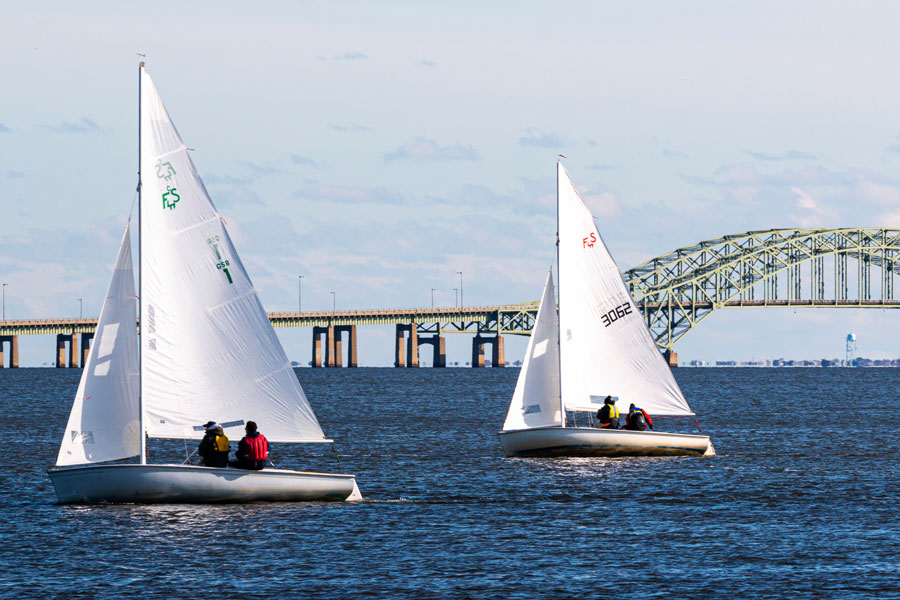
Islip, New York, is located on Long Island’s South Shore in central Suffolk County. The hamlet of Islip serves as the historic downtown and governmental center within the much larger Town of Islip, one of the most populous municipalities on Long Island. The community fronts the Great South Bay and is known for its traditional Main Street, residential neighborhoods, civic institutions, marinas, and convenient access to nearby parks, beaches, ferry terminals, and coastal communities.
The wider Town of Islip stretches from the Great South Bay north into central Suffolk County and contains numerous hamlets and incorporated villages, including Bay Shore, Brentwood, Central Islip, East Islip, Islip Terrace, Oakdale, Sayville, West Islip, and many others. Together, these communities give the town a broad mix of waterfront neighborhoods, major downtowns, suburban residential areas, transportation facilities, nature preserves, commercial corridors, and coastal recreation.
History & Heritage
- Indigenous history: Long before European settlement, the South Shore and Great South Bay region was inhabited by Indigenous communities whose lives were closely connected to the area’s waterways, wetlands, woodlands, and coastal resources.
- Colonial settlement: English settlement in the Islip area dates to the late 17th century and is closely associated with William Nicoll, who acquired extensive land along the South Shore. The Town of Islip was established in 1683.
- Maritime economy: Fishing, shellfishing, oyster harvesting, salt-hay production, shipbuilding, boating, and waterfront commerce helped shape the early economy of Islip and neighboring communities.
- Railroad growth: The expansion of the Long Island Rail Road during the 19th century improved access to New York City and encouraged residential development, tourism, and the growth of seasonal estates and resort communities.
- Suburban development: During the 20th century, the wider town experienced substantial residential, commercial, industrial, and transportation growth while many shoreline communities retained their historic connection to the Great South Bay.
Islip Hamlet & Downtown
- Main Street: The traditional downtown runs along the Montauk Highway corridor and includes restaurants, shops, professional offices, civic buildings, and neighborhood services.
- Town government: Islip serves as the governmental seat of the Town of Islip, placing municipal offices and public services near the center of the hamlet.
- Community atmosphere: The downtown is smaller and quieter than major nearby commercial centers such as Bay Shore or Sayville, giving Islip a more traditional neighborhood-oriented character.
- Waterfront setting: Residential streets extend south toward canals, marinas, shoreline neighborhoods, and the Great South Bay, reinforcing the hamlet’s identity as a South Shore community.
- Local appeal: Islip is particularly well suited to visitors seeking a quieter community with dining, local businesses, rail access, bay scenery, and convenient connections to surrounding destinations.
Population & Community
- Islip hamlet: The Islip census-designated place had 18,418 residents in the 2020 Census. It includes the downtown area, established residential neighborhoods, and communities extending toward the Great South Bay.
- Town of Islip: The larger town had 339,938 residents in the 2020 Census, spread across dozens of hamlets, villages, neighborhoods, and business districts.
- Incorporated villages: Villages within the town include Brightwaters, Islandia, Ocean Beach, and Saltaire, each with its own local government and distinct community identity.
- Major hamlets and communities: Important areas include Bay Shore, Bohemia, Brentwood, Central Islip, East Islip, Holbrook, Islip, Islip Terrace, Oakdale, Sayville, and West Islip.
- Community character: The hamlet of Islip has a traditional downtown and bay-adjacent residential identity, while the larger town includes urbanized centers, suburban neighborhoods, waterfront villages, airport-related districts, industrial areas, parks, and protected natural environments.
Transportation & Connectivity
- Rail service: Islip station is located on the Long Island Rail Road‘s Montauk Branch and provides commuter access toward western terminals and other South Shore communities. Schedules, stops, and transfer requirements vary by train.
- Road access: Major routes include Montauk Highway, also designated NY-27A through the area, and Sunrise Highway, which provides faster east-west travel across the South Shore.
- Regional parkways: Nearby connections to the Southern State Parkway, Sagtikos State Parkway, Heckscher State Parkway, and Robert Moses Causeway provide access to central Long Island, the North Shore, state parks, and Atlantic Ocean beaches.
- Bus service: Suffolk County Transit routes serve portions of the Islip area and connect communities, railroad stations, commercial centers, and other destinations throughout the county.
- Airport access: Long Island MacArthur Airport, located within the Town of Islip, provides regional commercial air service and supports business, tourism, aviation, transportation, and employment.
- Fire Island connections: Ferry terminals in nearby Bay Shore, Sayville, and other South Shore departure points provide seasonal access to communities within and near Fire Island National Seashore. Routes and schedules depend on the destination and time of year.
Parks & Recreation
- Heckscher State Park: Located in nearby East Islip, this expansive waterfront state park offers picnic areas, walking and biking opportunities, playgrounds, athletic fields, fishing, boating access, wildlife viewing, and broad views of the Great South Bay.
- Connetquot River State Park Preserve: Near Oakdale and Bohemia, this large preserve protects woodlands, wetlands, streams, wildlife habitat, historic structures, and portions of the Connetquot River environment.
- Seatuck environmental areas: Preserved wetlands and wildlife habitat near Islip and East Islip support environmental education, birdwatching, nature study, and appreciation of the South Shore’s tidal ecosystem.
- Town parks: The wider town operates neighborhood parks, beaches, pools, playgrounds, athletic fields, golf facilities, marinas, boat ramps, and recreation programs across its many communities.
- Coastal recreation: The town’s shoreline and nearby waterways support fishing, boating, sailing, kayaking, paddleboarding, birdwatching, shellfishing, and visits to waterfront parks and marinas.
- Ocean beaches: The Robert Moses Causeway provides access toward Robert Moses State Park, Captree State Park, Fire Island, and Atlantic Ocean recreation areas south of the mainland.
Great South Bay & Waterfront Life
- Great South Bay: The bay is one of the defining geographic features of Islip and the surrounding South Shore, separating the mainland from Fire Island.
- Marinas and boating: Marinas, boatyards, yacht clubs, launch facilities, and residential canals support a strong recreational boating culture throughout the Islip, East Islip, Bay Shore, Oakdale, and Sayville areas.
- Fishing and shellfishing: Fishing, clamming, and shellfishing have long played an important role in the region’s economy, food culture, recreation, and environmental history.
- Coastal habitats: Salt marshes, tidal creeks, bay islands, wetlands, and shoreline preserves provide important habitat for waterfowl, shorebirds, fish, shellfish, and other wildlife.
- Storm resiliency: Waterfront communities throughout the town continue to address flooding, erosion, drainage, sea-level rise, and storm protection as part of long-term coastal planning.
Economy & Employment
- Government and public services: The hamlet’s role as the town seat supports municipal employment, public administration, courts, civic services, and related professional activity.
- Health care and education: Hospitals, medical offices, schools, colleges, libraries, and public institutions are major sources of employment throughout the larger town.
- MacArthur Airport: Long Island MacArthur Airport supports aviation, tourism, transportation, rental-car operations, hospitality, logistics, and nearby business development.
- Commercial centers: Bay Shore, Brentwood, Central Islip, Sayville, and other communities contain major retail corridors, downtown districts, offices, restaurants, entertainment, and service businesses.
- Industrial and logistics activity: Central portions of the town contain industrial parks, warehouses, distribution operations, manufacturing, trades, and airport-related businesses with access to major highways and regional transportation.
- Waterfront economy: Marinas, ferry operators, boatyards, fishing businesses, waterfront restaurants, tourism, and seasonal recreation remain important parts of economic life along the Great South Bay.
Institutions & Community Life
- Town government: Municipal offices in Islip make the hamlet an important center for town administration, permits, public meetings, recreation services, and community affairs.
- Schools and libraries: Multiple public school and library districts serve the wider town, reflecting its large population and many distinct communities.
- Community events: Seasonal festivals, parades, concerts, farmers markets, holiday activities, waterfront events, and local programs are held throughout Islip and neighboring communities.
- Regional destinations: Downtowns in Bay Shore and Sayville, waterfront parks, Fire Island ferry terminals, state parks, and cultural institutions expand the range of activities available within the town.
Housing & Lifestyle
- Islip hamlet: Housing includes older homes near the downtown, established suburban neighborhoods, apartments, condominiums, and properties closer to the Great South Bay and local marinas.
- Waterfront communities: Bay Shore, East Islip, Islip, Oakdale, Sayville, and West Islip contain a mixture of bay-adjacent neighborhoods, canal properties, historic homes, marinas, and conventional suburban development.
- Inland communities: Bohemia, Brentwood, Central Islip, Holbrook, Islip Terrace, and other inland areas offer varied residential environments with access to shopping, schools, transportation, and employment centers.
- Everyday appeal: Residents benefit from a combination of rail service, airport access, parks, beaches, marinas, downtown districts, schools, health care, shopping, and proximity to both central Long Island and the South Shore coastline.
Islip Hamlet
Islip Snapshot
| Feature | Details |
|---|---|
| Primary community | Islip hamlet and its Main Street, civic center, residential neighborhoods, and bayfront areas |
| Larger municipality | Town of Islip |
| Hamlet population | 18,418 residents in the 2020 Census |
| Town population | 339,938 residents in the 2020 Census |
| Location | South Shore of central Suffolk County |
| Established | Town established in 1683 following 17th-century colonial settlement |
| Community character | Traditional downtown, civic center, waterfront neighborhoods, suburban communities, and major commercial and transportation districts |
| Transportation | Long Island Rail Road, Suffolk County Transit, Montauk Highway, Sunrise Highway, regional parkways, and Long Island MacArthur Airport |
| Water access | Great South Bay, marinas, canals, ferry terminals, and nearby Fire Island destinations |
| Major parks | Heckscher State Park, Connetquot River State Park Preserve, town parks, waterfront areas, and nearby ocean beaches |
| Popular activities | Dining, boating, fishing, kayaking, park visits, waterfront recreation, shopping, and Fire Island trips |
| Notable communities | Bay Shore, Brentwood, Central Islip, East Islip, Islip Terrace, Oakdale, Sayville, and West Islip |
Islip combines the atmosphere of a traditional South Shore community with the civic importance and extensive resources of the larger town. Visitors can explore the downtown, dine near Main Street, travel toward the Great South Bay, visit nearby Heckscher State Park, or use Islip as a base for reaching Bay Shore, East Islip, Oakdale, Sayville, and Fire Island. Its combination of history, transportation, waterfront recreation, parks, residential neighborhoods, and community life makes Islip an important year-round destination within central Suffolk County.
Clarifying the Town of Islip vs. Islip Hamlet
Although they share the name Islip, the Town of Islip and the hamlet of Islip are not the same thing. The Town of Islip is a large municipality in Suffolk County containing many distinct communities, including Bay Shore, Bohemia, Brentwood, Central Islip, East Islip, Holbrook, Islip Terrace, Oakdale, Sayville, and West Islip. The hamlet of Islip is one specific community within that larger town and contains the traditional downtown, the town government center, residential neighborhoods, and areas extending toward the Great South Bay. Keeping that distinction clear helps visitors understand whether a destination, service, or description applies to the individual hamlet or to the much larger municipality.
Are you ready for fall on Long Island? Check out these local seasonal guides:
🍎 Apple Picking 🍓 Strawberry Picking 🎃 Pumpkin Picking 👻 Haunted Houses 🍂 Farm Festivals