
Shelter Island, New York
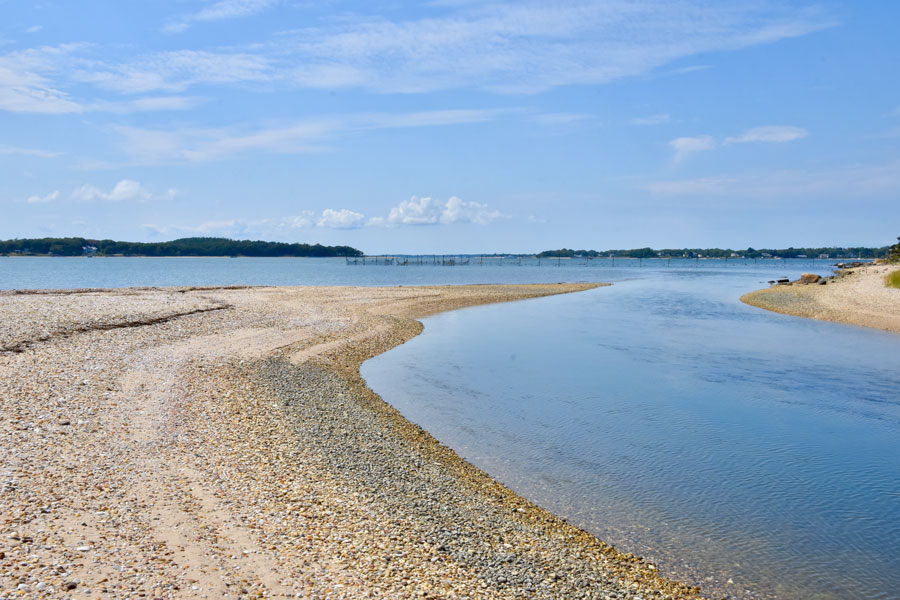
Shelter Island, New York, is one of Long Island’s most distinctive and tranquil destinations – an island community reached by ferry between the North Fork and South Fork at the eastern end of Suffolk County. Set between Greenport on the North Fork and North Haven near Sag Harbor on the South Fork, Shelter Island has no bridge connection to the mainland, helping preserve its wooded roads, quiet coves, and relaxed coastal pace.
The island is often described as a blend of history and nature. Roughly one-third of Shelter Island is protected open space, anchored by the Mashomack Preserve, a more than 2,000-acre nature sanctuary managed by The Nature Conservancy. Mashomack features woodlands, tidal creeks, salt marshes, and freshwater wetlands, making it a haven for birders, hikers, and anyone looking for one of the East End’s most peaceful outdoor experiences. Trail access and visitor information can vary by season, so it is smart to check ahead before visiting.
Originally home to the Manhanset people, Shelter Island was purchased by English settlers in the 17th century and later developed as a farming, shipbuilding, and maritime community. By the 19th and early 20th centuries, it had become a seasonal retreat for families from New York City, many of whom built substantial summer homes that still contribute to the island’s historic character. Today, that legacy remains visible in Victorian architecture, old inns, shaded lanes, and a small-scale village atmosphere.
Shelter Island includes several distinct neighborhoods and waterfront areas. Shelter Island Heights, near the North Ferry landing from Greenport, is especially well known for its gingerbread-style cottages, porches, harbor views, inns, and the nearby Shelter Island Country Club, often nicknamed Goat Hill. The area functions as one of the island’s main arrival points and is a natural first stop for many visitors.
Beaches and boating are central to life here. Popular spots include Crescent Beach, commonly associated with Sunset Beach, and Wades Beach on the island’s south side. Calm water, boating access, kayaking, sailing, and paddleboarding all help define the Shelter Island experience, while scenic harbors such as Dering Harbor and Coecles Harbor reinforce the island’s strong connection to the water. Beach access, parking, lifeguard coverage, and seasonal rules may vary, so check local guidance before heading out.
Despite its rural feel, Shelter Island offers a thoughtful mix of markets, cafés, restaurants, galleries, marinas, and service businesses. Dining ranges from casual breakfast spots to polished waterfront meals, and community life is shaped by seasonal traditions such as the Shelter Island 10K, local farm stands, arts programming, and summer events. The overall mood is upscale but low-key rather than flashy.
A strong conservation ethic continues to shape the island. Zoning limits, protected land, and environmental stewardship have helped Shelter Island remain low-density and scenic, with many homes tucked behind trees or along quiet lanes. For visitors, that means the appeal is less about nightlife or large attractions and more about beaches, boating, biking, nature, and a slower East End rhythm.
While the year-round population is small, the island becomes busier in summer as seasonal residents and visitors arrive. Even then, Shelter Island generally feels less crowded than many other East End destinations. Ferries, beaches, and restaurants can be busiest on summer weekends, and bringing a car or bicycle is often the easiest way to explore at your own pace.
In summary, Shelter Island is a destination defined by natural beauty, historic character, and a sense of calm that is increasingly rare on the East End. Whether you arrive by ferry from Greenport or from North Haven, you are stepping into a place where preservation and waterfront living still set the tone. For travelers seeking a refined but unspoiled Long Island escape, Shelter Island remains a standout choice.
Top Things to Do on Shelter Island, NY
1. Mashomack Preserve
One of Shelter Island’s defining attractions, this expansive preserve offers more than 10 miles of trails through salt marshes, coastal creeks, woodlands, and freshwater wetlands. It is a top destination for hiking, birdwatching, photography, and quiet nature walks, with some of the richest protected habitat on Long Island.
2. Crescent Beach (Sunset Beach Area)
Located on the island’s western side, Crescent Beach is one of Shelter Island’s best-known stretches of sand. It is popular for swimming, relaxing, and sunset views, and the nearby Sunset Beach area adds a lively seasonal waterfront scene. Access and amenities can vary, especially in peak season.
3. Wades Beach
This family-friendly beach on the south side of the island is known for gentler water and a more laid-back feel. It is a solid choice for beachgoers looking for a quieter outing, though facilities, parking, and lifeguard availability may vary by season.
4. Boating and Kayaking
The island’s creeks, coves, and harbors are ideal for sailing, kayaking, and paddleboarding. Rentals and launch access are generally seasonal, and scenic areas such as Coecles Harbor and Dering Harbor are favorite spots for taking in Shelter Island from the water.
5. Shelter Island Heights
Take a walk through this historic neighborhood to see Victorian-era cottages, inns, marina activity, and classic East End streetscapes. It is also the area most visitors first encounter when arriving on the North Ferry from Greenport.
6. Island Dining & Waterfront Restaurants
- Vine Street Café – Long regarded as one of the island’s standout dining spots.
- Sunset Beach – A well-known waterfront destination for drinks, dining, and sunset views.
- The Chequit – A classic Shelter Island name with food, lodging, and village presence in Shelter Island Heights.
- Marie Eiffel Market & Café – A popular stop for breakfast, lunch, pastries, and picnic provisions.
Restaurant lineups, hours, and reservation policies can change seasonally, especially on the East End, so it is always wise to confirm current details before visiting.
7. Shelter Island Country Club (Goat Hill)
This historic 9-hole public golf course is one of the island’s best-loved institutions. It is casual, scenic, and memorable, with elevated views and a classic small-town golf feel.
8. Sylvester Manor
One of Shelter Island’s most important historic landmarks, Sylvester Manor preserves a deep and layered history tied to farming, trade, and the island’s earliest colonial-era development. Tours, educational programs, and farm offerings vary by season, so check ahead for the latest visitor information.
9. Shelter Island History Museum
Based at the historic Havens House complex, the Shelter Island History Museum offers a closer look at the island’s colonial, maritime, and everyday community history. Exhibits, talks, and family-friendly programs are often offered seasonally.
10. The Perlman Music Program
Founded by Itzhak Perlman and Toby Perlman, this internationally respected summer music program brings exceptional young string players to the island. Public performances may be available during the season; check the program calendar for current offerings.
11. Biking the Island
With relatively quiet roads and scenic views, Shelter Island is well suited to cycling. A bike ride can connect beaches, preserves, village areas, and harbor overlooks in a single relaxed loop.
12. Ferry Rides
Both the North Ferry and South Ferry offer short but scenic crossings. Even before you arrive, the ride helps set the tone for a visit to Shelter Island, with harbor views, boats, and a sense of leaving the mainland behind.
13. Boutique Shopping and Galleries
Explore the island’s small collection of shops, galleries, and markets for gifts, beachwear, antiques, artwork, and locally made goods. The selection is modest, but it fits the island’s intimate, independent character.
Shelter Island Ferry Information
Getting to and from Shelter Island is part of the experience. Two short ferry routes connect the island year-round: the North Ferry from Greenport and the South Ferry from North Haven near Sag Harbor. Both carry vehicles, bicycles, and walk-on passengers. Schedules, fares, and late-night service details may change by season, weather, or demand, so check the operators directly before traveling.
Vicinity of Shelter Island
North Ferry (Greenport to Shelter Island Heights)
- Route: Greenport (North Fork) ↔ Shelter Island Heights
- Crossing Time: About 8 minutes
- Service: Frequent, year-round service for vehicles, bicycles, and walk-on passengers
- Reservations: Typically not required
- Visitor Notes: This is the most convenient route for travelers arriving from Greenport and the North Fork. Summer weekends and holiday periods can bring vehicle lines, while walk-on access is often simpler.
- Best Practice: Check the official website for current schedules, fares, and service alerts before you go.
South Ferry (North Haven to Shelter Island)
- Route: North Haven (South Fork) ↔ Shelter Island
- Crossing Time: About 5 minutes
- Service: Frequent, year-round service for vehicles, bicycles, and walk-on passengers
- Reservations: Typically not required
- Visitor Notes: This is the most direct route for travelers coming from Sag Harbor and other South Fork destinations. Peak summer traffic can create waits for vehicles, especially on weekends.
- Best Practice: Confirm current schedules, fares, and weather-related advisories on the official website before traveling.
Tips for Travelers:
- Reservations are generally not required for either ferry, but service details can change.
- Summer weekends and holiday periods are the busiest times for vehicle traffic, so arriving early is a good idea.
- Fares and accepted payment methods may change; verify current policies on the ferry websites before you travel.
- Bicycles and motorcycles are typically welcome on both ferries.
- If you are visiting without a car, plan ahead: taxis, rideshare availability, and other transportation options can be limited depending on season and time of day.
- Beach parking rules, preserve access, and seasonal business hours may vary, so check ahead before finalizing your day.
Clarifying the Town of Shelter Island vs. Shelter Island (Hamlet)
Although people often use the name loosely, the Town of Shelter Island refers to the entire island municipality. Within the town are several communities and neighborhoods, including Shelter Island Heights, Silver Beach, West Neck, Hay Beach, Menantic, and Ram Island; Dering Harbor is an incorporated village within the town. The name Shelter Island may also be used informally for the central community or for the island as a whole. One important distinction: nearby North Haven is a separate South Fork village and is not part of Shelter Island.
Are you ready for fall on Long Island? Check out these local seasonal guides:
🍎 Apple Picking | 🍂 Fall Festivals & Farm Activities | 👻 Haunted Houses | 🎃 Pumpkin Picking