
Pre-Colonial and Indigenous History of Long Island
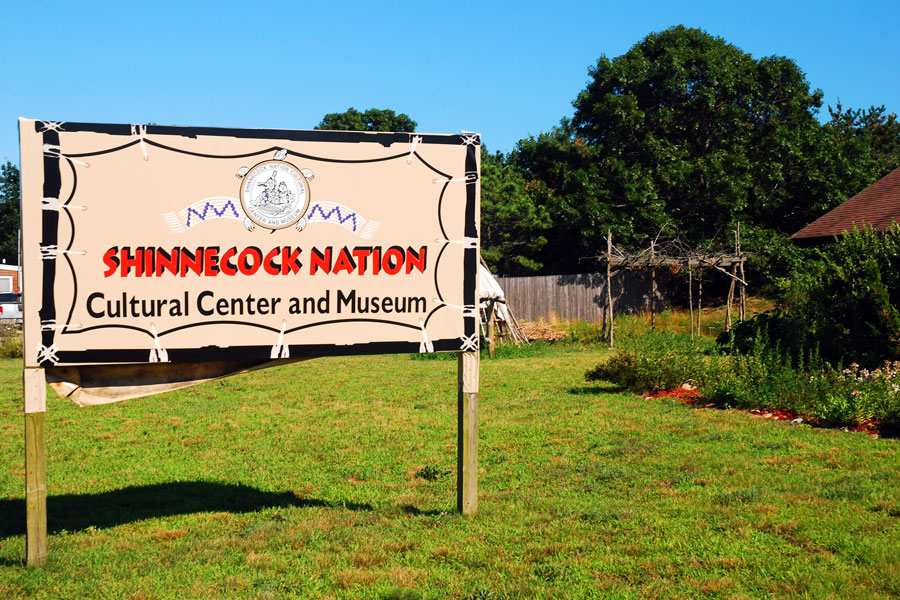
Long before European settlement in the 1600s, Long Island was home to Indigenous communities whose histories on this land go back thousands of years. The island’s forests, bays, salt marshes, rivers, and coastal waters supported fishing, shellfishing, farming, trade, and seasonal movement. Today, the legacy of Native peoples including the Shinnecock, Unkechaug, Montaukett, and Matinecock remains an essential part of Long Island’s cultural and historical identity.
Many of the communities historically associated with Long Island were Algonquian-speaking peoples connected through kinship, trade, and diplomacy to neighboring communities across present-day New York and southern New England. Modern scholarship continues to refine details of pre-colonial settlement, place names, and political boundaries, so this history is best understood as layered, living, and still being interpreted by historians, archaeologists, and Native communities themselves.
Because this is a visitor-friendly overview, present-day town and regional names are used for orientation. Those names came later than the Indigenous homelands they now occupy.
Indigenous Communities Associated with Long Island
- Montaukett – The Montaukett people were historically associated with the eastern end of Long Island, especially around present-day Montauk and East Hampton. Historical sources often note fishing, coastal trade, farming, and regional diplomacy, and the community’s descendants remain important voices in preserving Montaukett history.
- Shinnecock – Based in what is now Southampton, the Shinnecock Indian Nation remains one of the most visible and enduring Native communities on Long Island. The Shinnecock Reservation is federally recognized, and the Nation is widely known for its annual powwow, cultural center, and continued leadership in preserving Indigenous history on the East End.
- Matinecock – The Matinecock were historically associated with areas of northwestern Long Island, including parts of present-day Queens and Nassau County. Their presence survives in historical records, place names, and the broader Indigenous history of Long Island’s North Shore.
- Unkechaug – The Unkechaug Indian Nation, closely associated with the Poospatuck Reservation in the Mastic area of Suffolk County, has maintained a continuing Native presence on Long Island for generations. The Nation remains an important part of the island’s living Indigenous heritage.
Cultural Landscapes, Sacred Places & Archaeological Evidence
Archaeological research across Long Island has revealed important evidence of Native life, settlement, and land use. Many sites are protected, sensitive, or not publicly accessible, and some are intentionally not publicized. Visitors should rely on museums, interpretive programs, tribal resources, and authorized historical information rather than trying to locate sites on their own.
- Shell Middens: Coastal shell deposits reflect centuries of fishing, clamming, oyster harvesting, and daily food preparation.
- Tools & Pottery: Stone tools, projectile points, pottery fragments, and other artifacts offer insight into craftsmanship, trade networks, and everyday life.
- Burial and Ceremonial Sites: Sacred areas across Long Island remain important reminders of spiritual tradition, ancestry, and cultural continuity. These places should be treated with respect and may be protected by law.
- Agriculture and Land Stewardship: Indigenous farmers practiced sophisticated horticulture, including the well-known “Three Sisters” planting method of corn, beans, and squash, alongside hunting, gathering, and seasonal resource use.
Legacy & Preservation
European colonization dramatically altered life on Long Island, but Indigenous history here did not end in the colonial era. Native communities continue to preserve language, art, ceremony, oral history, and connections to ancestral homelands, while also shaping contemporary civic, cultural, and educational life on the island.
- The Shinnecock Indian Nation maintains the federally recognized Shinnecock Reservation in Southampton.
- The Unkechaug Indian Nation is associated with the state-recognized Poospatuck Reservation in Brookhaven Town.
- Cultural events such as powwows, storytelling, educational workshops, and traditional arts help keep Indigenous history visible for new generations.
- Public-facing places to learn more include the Shinnecock Nation Cultural Center and Museum, the Southampton History Museum, and The Long Island Museum in Stony Brook. Hours, exhibits, and program schedules may vary by season, so check official sources before visiting.
Quick Snapshot
| Community | Region of Long Island | Legacy Today |
|---|---|---|
| Montaukett | Eastern Long Island (Montauk, East Hampton) | Historical community with descendants, advocacy, and enduring cultural significance |
| Shinnecock | Southampton (South Fork) | Federally recognized Indian Nation with reservation, museum, and annual powwow |
| Matinecock | Northwestern Long Island (Queens, Nassau) | Historical presence reflected in place names, records, and regional memory |
| Unkechaug | Southern Suffolk County (Mastic area) | Community associated with the state-recognized Poospatuck Reservation and ongoing cultural continuity |
The story of Long Island did not begin with European settlement. It began thousands of years earlier with Indigenous peoples who lived, farmed, fished, traded, traveled, and cared for this land and its waters. Understanding that deeper history helps visitors see Long Island not only as a modern destination, but also as a place shaped by Native communities whose presence and influence continue today.
Are you ready for fall on Long Island? Check out these local seasonal guides:
🍎 Apple Picking | 🍂 Fall Festivals & Farm Activities | 👻 Haunted Houses | 🎃 Pumpkin Picking