
East Hampton, New York
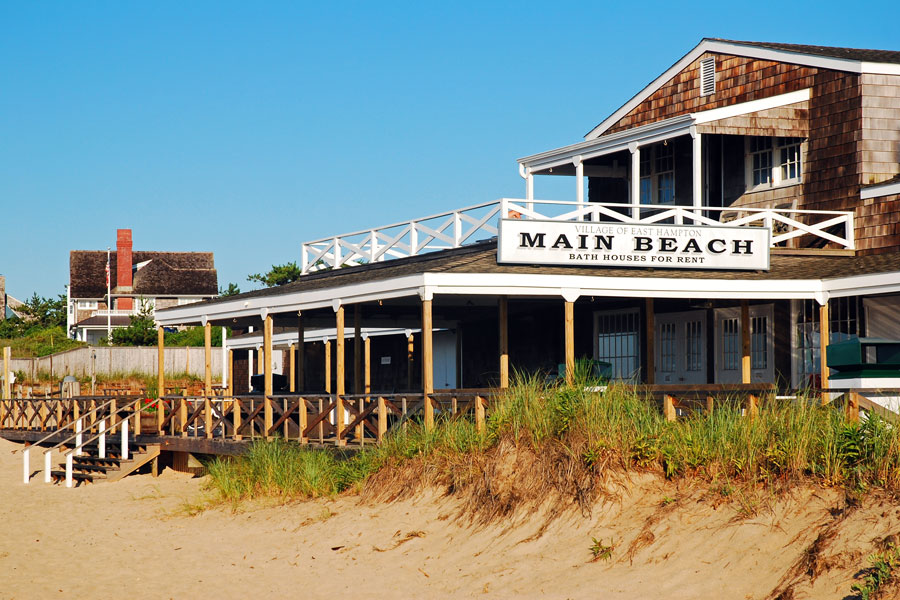
East Hampton, New York, can refer to both the incorporated Village of East Hampton and the much larger Town of East Hampton in southeastern Suffolk County. East Hampton Village is the historic downtown, shopping, cultural, and residential center most visitors associate with the name. The larger town extends across the eastern end of Long Island’s South Fork, from Wainscott through East Hampton, Springs, Amagansett, Napeague, and Montauk.
The Town of East Hampton includes Atlantic Ocean beaches, Gardiners Bay shoreline, harbors, ponds, dunes, forests, historic communities, fishing areas, state parks, and some of the best-known residential and resort neighborhoods in the Hamptons. Although East Hampton has an international reputation for luxury homes, art, dining, and summer tourism, it remains a year-round East End community with schools, local businesses, fishing traditions, marinas, civic institutions, farms, and permanent neighborhoods.
History & Heritage
- Indigenous history: Long before European settlement, the eastern South Fork was home to Indigenous communities whose lives were closely connected to the ocean, bays, ponds, forests, fisheries, and seasonal resources of the region.
- Colonial settlement: East Hampton was established by English settlers in 1648 and was historically known as Maidstone. Farming, fishing, livestock, trade, and coastal access shaped the community’s early development.
- Maritime traditions: Whaling, fishing, shellfishing, boatbuilding, and maritime commerce were important parts of the local economy for generations, particularly in communities farther east toward Amagansett and Montauk.
- Windmills and agriculture: Historic windmills, farm fields, grazing lands, and preserved rural landscapes reflect the town’s long agricultural history. The Hook Windmill remains one of East Hampton Village’s most recognizable landmarks.
- Artists and writers: During the 19th and 20th centuries, East Hampton became an important destination for painters, writers, performers, architects, and other creative figures attracted by its coastal light, landscapes, and relative isolation.
- Resort development: Railroad access and growing interest in the Hamptons helped transform East Hampton into a prominent summer destination while preservation efforts protected many historic homes, village streets, windmills, and natural areas.
East Hampton Village & Downtown
- Main Street and Newtown Lane: East Hampton Village’s commercial center is concentrated along Main Street, Newtown Lane, and nearby blocks filled with boutiques, galleries, restaurants, cafes, professional offices, and historic buildings.
- Historic village character: Village greens, mature trees, churches, preserved homes, civic buildings, and traditional streetscapes give downtown East Hampton a distinct historic identity.
- Hook Windmill: Located near the village center, this preserved windmill is one of the community’s best-known historic landmarks and reflects East Hampton’s agricultural past.
- Guild Hall: Guild Hall is one of the South Fork’s leading cultural institutions, presenting art exhibitions, theater, film, music, lectures, and community programming.
- Shopping and dining: The village is known for upscale boutiques, independent shops, galleries, restaurants, bakeries, cafes, and seasonal businesses serving both year-round residents and visitors.
- Walkability: The central village is relatively walkable once visitors are parked, although the beaches, residential areas, and surrounding hamlets generally require a car, bicycle, taxi, or rideshare service.
- Ocean access: East Hampton Village extends south toward Main Beach, Georgica Beach, Two Mile Hollow Beach, and other Atlantic Ocean shoreline areas.
Population & Communities
- Town population: The Town of East Hampton has about 28,000 year-round residents, with a substantial increase in population, traffic, and demand for services during the summer season.
- East Hampton Village: The incorporated village is a much smaller community centered around its historic downtown, cultural institutions, residential neighborhoods, village government, and nearby ocean beaches.
- Western area: Wainscott lies at the western end of the town and combines residential neighborhoods, farmland, commercial areas, and Atlantic Ocean access.
- Central area: East Hampton Village, surrounding unincorporated neighborhoods, and Springs form much of the central town. Springs is particularly associated with artists, waterways, wooded neighborhoods, and Accabonac Harbor.
- Eastern area: Amagansett, Napeague, and Montauk extend east toward the end of the South Fork, offering beaches, state parks, fishing areas, marinas, dunes, and distinctive village and hamlet centers.
- Seasonal character: Population levels, business activity, restaurant availability, traffic, parking demand, and beach use rise sharply between late spring and early fall.
- Community identity: East Hampton brings together longtime residents, artists, fishermen, hospitality workers, tradespeople, business owners, seasonal homeowners, and visitors from around the world.
Transportation & Seasonal Travel
- Montauk Highway: NY 27, commonly known as Montauk Highway through much of the East End, is the primary road connecting East Hampton with Southampton, Amagansett, Napeague, and Montauk.
- Long Island Rail Road: The Long Island Rail Road‘s Montauk Branch serves East Hampton, Amagansett, and Montauk. Service frequency and express patterns vary by day and season.
- Coach service: Hampton Jitney provides coach transportation between New York City and many East End communities, including stops in the East Hampton area.
- Airport access: East Hampton Airport serves private and charter aviation. Aircraft activity, local regulations, and operating conditions have been subjects of ongoing community discussion.
- Seasonal traffic: Traffic can become especially heavy on Fridays, Sundays, holiday weekends, and during major summer events. The primarily two-lane road network can create delays throughout the South Fork.
- Local transportation: Taxis, rideshare services, bicycles, and local buses are available in some areas, but coverage and wait times can vary considerably by hamlet, hour, and season.
- Parking: Village parking, beach parking, permits, resident restrictions, and seasonal enforcement vary by location. Visitors should confirm current rules before traveling.
Beaches, Parks & Outdoor Recreation
- Main Beach: Located in East Hampton Village, Main Beach is one of the best-known Atlantic Ocean beaches in the Hamptons, with broad sand, dunes, seasonal facilities, and village-regulated parking.
- Georgica Beach and Two Mile Hollow Beach: These village beaches provide additional Atlantic shoreline access near East Hampton’s residential and estate neighborhoods. Access and parking rules vary.
- Amagansett beaches: Amagansett offers Atlantic Ocean access at beaches such as Indian Wells and Atlantic Avenue, along with nearby dunes and residential areas.
- Hither Hills State Park: Located east of Napeague near Montauk, the park provides an Atlantic beach, camping, hiking, dunes, fishing, and access to extensive natural landscapes.
- Napeague area: Napeague contains dunes, beaches, wetlands, undeveloped landscapes, and access to both the Atlantic Ocean and Napeague Harbor.
- Montauk parks: The eastern town includes Camp Hero State Park, Montauk Downs State Park, and the historic Montauk Point Lighthouse area.
- Outdoor activities: Popular activities include hiking, cycling, fishing, kayaking, paddleboarding, surfing, swimming, birdwatching, golfing, camping, and beach walking.
- Beach regulations: Parking permits, resident restrictions, lifeguard schedules, daily fees, and seasonal access differ between village, town, county, and state-managed beaches.
Bays, Harbors & Coastal Life
- Atlantic Ocean: The oceanfront defines much of East Hampton’s identity, supporting beaches, surfing, fishing, tourism, coastal recreation, and some of the region’s best-known residential properties.
- Gardiners Bay: The town’s northern and eastern shorelines face Gardiners Bay, providing boating, fishing, calmer waters, coastal views, and access to smaller bays and harbors.
- Three Mile Harbor: This sheltered harbor supports marinas, restaurants, boatyards, fishing vessels, yacht clubs, residential neighborhoods, and recreational boating.
- Accabonac Harbor: Located near Springs and Amagansett, Accabonac Harbor contains wetlands, tidal creeks, wildlife habitat, waterfront homes, and areas important to fishing and environmental preservation.
- Napeague Harbor: The harbor provides shallow-water recreation, wind-related water sports, fishing, paddling, and scenic views within the narrow Napeague area.
- Fort Pond Bay: Located near Montauk, Fort Pond Bay has a long maritime and railroad history and remains important for boating, fishing, sunsets, and waterfront recreation.
- Marinas and marine services: Marinas, docks, charter boats, commercial fishing operations, marine repair businesses, and boat-launch facilities are concentrated in several town waterfront areas.
- Coastal protection: East Hampton continues to address erosion, storm damage, flooding, dune preservation, wetlands protection, water quality, and long-term coastal resiliency.
Arts, Culture & Historic Places
- Guild Hall: This prominent village institution presents visual art, theater, music, film, lectures, and educational programming throughout the year.
- East Hampton History Museum: The museum preserves and interprets local history through historic properties, collections, exhibitions, archives, and public programs.
- Thomas and Mary Nimmo Moran Studio: The preserved home and studio reflects East Hampton’s long relationship with painters and the development of an influential artistic community.
- Pollock-Krasner House and Study Center: Located in Springs, the property preserves the home and working environment associated with artists Jackson Pollock and Lee Krasner.
- LongHouse Reserve: This landscaped sculpture garden and cultural destination combines contemporary art, gardens, design, exhibitions, and educational events.
- Historic windmills: Windmills throughout the town reflect the importance of agriculture and grain production in East Hampton’s early economy.
- Local arts scene: Galleries, studios, performances, film programs, literary events, lectures, and seasonal exhibitions continue East Hampton’s long association with artists and creative communities.
Fishing, Boating & Maritime Traditions
- Commercial fishing: Fishing remains an important part of the local identity, particularly in Montauk, which supports commercial vessels, charter boats, seafood businesses, and marine services.
- Charter fishing: Visitors can find charter boats and fishing trips targeting inshore and offshore species from Montauk and other marina areas.
- Surfcasting: Atlantic beaches, Montauk Point, and other shoreline areas attract anglers seeking striped bass, bluefish, and seasonal saltwater species.
- Recreational boating: Three Mile Harbor, Gardiners Bay, Napeague Harbor, Fort Pond Bay, Lake Montauk, and other waterways support sailing, powerboating, kayaking, paddleboarding, and marina activity.
- Water access: Launch facilities, docks, charter operations, town beaches, marinas, and shoreline parks provide varied access, although permits and operating rules may apply.
Economy & Employment
- Tourism and hospitality: Hotels, inns, restaurants, bars, beaches, shops, galleries, event venues, and seasonal attractions form a major part of the local economy.
- Real estate and construction: Residential sales, rentals, property management, architecture, construction, landscaping, design, and estate maintenance are especially important economic sectors.
- Fishing and marine industries: Commercial fishing, charter boats, marinas, marine repair, boatyards, seafood businesses, and waterfront services remain important, especially in Montauk and Three Mile Harbor.
- Arts and culture: Museums, galleries, theaters, artists, designers, arts organizations, and cultural events contribute to both the economy and the town’s international identity.
- Retail and professional services: Village centers and commercial corridors support boutiques, restaurants, banks, law firms, medical offices, real estate agencies, personal services, and locally owned businesses.
- Seasonal employment: Summer population growth creates increased demand for hospitality, transportation, food service, retail, construction, maintenance, and recreational services.
Housing & Lifestyle
- East Hampton Village: Housing includes historic homes, village residences, condominiums, apartments, estates, and properties near downtown shopping and Atlantic Ocean beaches.
- Oceanfront areas: East Hampton Village, Wainscott, Amagansett, Napeague, and Montauk contain highly valuable oceanfront properties, dune-adjacent homes, estates, and seasonal residences.
- Bay and harbor communities: Springs, Three Mile Harbor, Accabonac, Napeague, and Montauk include waterfront neighborhoods, marina-adjacent properties, wooded homes, and year-round residential areas.
- Year-round neighborhoods: Beyond the resort districts, the town contains permanent communities with schools, civic organizations, local businesses, churches, parks, and public services.
- Second homes and rentals: Seasonal residences and short-term occupancy significantly affect housing costs, traffic, employment, services, and business activity.
- Everyday appeal: Residents and visitors value access to beaches, bays, historic villages, art, restaurants, parks, fishing, boating, shopping, and the natural landscapes of the eastern South Fork.
East Hampton Village
East Hampton Snapshot
| Feature | Details |
|---|---|
| Primary community | East Hampton Village, including its historic downtown, cultural district, residential neighborhoods, and nearby ocean beaches |
| Larger municipality | Town of East Hampton |
| Town population | About 28,000 year-round residents, with a substantial seasonal increase during summer |
| Location | Eastern South Fork and East End of Suffolk County |
| Established | 1648 as an English colonial settlement historically known as Maidstone |
| Character | Historic village, Atlantic beaches, artists’ communities, fishing areas, harbors, state parks, estates, and year-round neighborhoods |
| Transportation | Montauk Highway, LIRR Montauk Branch, Hampton Jitney, and East Hampton Airport |
| Water access | Atlantic Ocean, Gardiners Bay, Three Mile Harbor, Accabonac Harbor, Napeague Harbor, and Fort Pond Bay |
| Major beaches | Main Beach, Georgica Beach, Two Mile Hollow Beach, Atlantic Avenue Beach, Indian Wells Beach, and beaches near Montauk |
| Major parks | Hither Hills State Park, Camp Hero State Park, and Montauk Downs State Park |
| Culture | Guild Hall, East Hampton History Museum, artist studios, galleries, historic windmills, and cultural programming |
| Popular activities | Beach visits, fishing, boating, surfing, kayaking, shopping, dining, hiking, cycling, art, and historic sightseeing |
| Notable communities | Wainscott, East Hampton Village, Springs, Amagansett, Napeague, and Montauk |
| Seasonality | Busiest from late spring through early fall, with quieter conditions during winter and the shoulder seasons |
East Hampton combines the historic character of a traditional village with the beaches, harbors, parks, fishing communities, and natural landscapes of the much larger town. Visitors can shop and dine in East Hampton Village, explore the Hook Windmill, spend the day at Main Beach, visit galleries and cultural institutions, or continue east through Amagansett and Napeague toward Montauk. Its blend of colonial history, art, ocean recreation, fishing traditions, protected landscapes, and year-round community life makes East Hampton one of the most distinctive destinations on Long Island’s East End.
Clarifying the Town of East Hampton vs. East Hampton Village
Although they share the same name, the Town of East Hampton and East Hampton Village are different jurisdictions. The Town of East Hampton is the larger municipality in Suffolk County that includes East Hampton Village along with Wainscott, Springs, Amagansett, Napeague, and Montauk. It stretches across the eastern South Fork and includes ocean beaches, bays, harbors, state parks, fishing areas, residential neighborhoods, and business districts. East Hampton Village is the smaller incorporated village centered around Main Street, Newtown Lane, Guild Hall, the Hook Windmill, historic residential streets, and nearby beaches such as Main Beach. Keeping that distinction clear helps visitors determine whether a beach rule, parking permit, government service, event, or address applies to the village itself or to the much larger town.
Are you ready for fall on Long Island? Check out these local seasonal guides:
🍎 Apple Picking | 🍂 Fall Festivals & Farm Activities | 👻 Haunted Houses | 🎃 Pumpkin Picking