
Theodore Roosevelt Sanctuary and Audubon Center
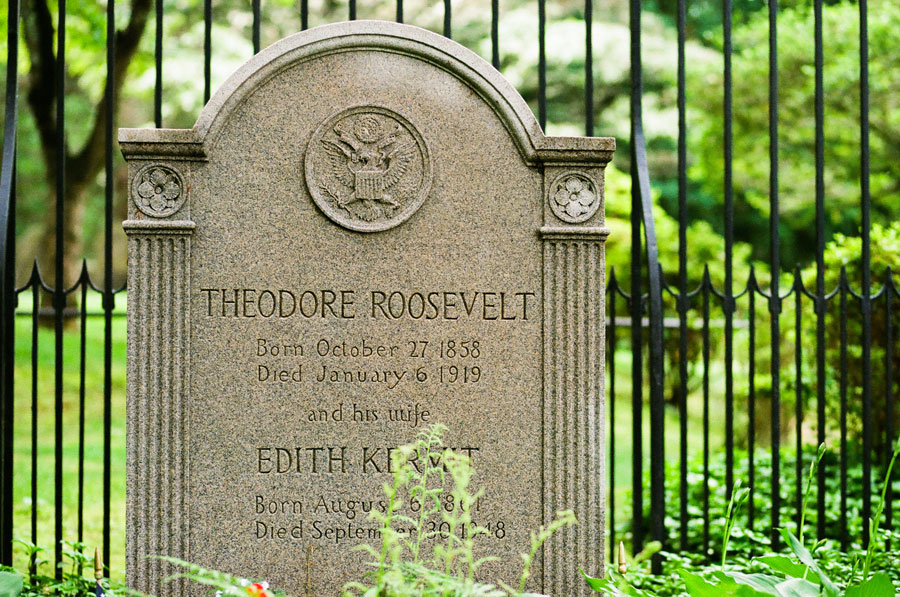
Set within a wooded preserve off Cove Road in the Oyster Bay area of Long Island’s North Shore, the Theodore Roosevelt Sanctuary and Audubon Center is one of the region’s most distinctive destinations for bird conservation, environmental education, and quiet nature walks. Operated by the National Audubon Society, it is widely recognized as the first Audubon songbird sanctuary established in the United States.
The sanctuary was created in honor of President Theodore Roosevelt’s commitment to wildlife conservation and stewardship of the natural world. Today, the property continues that mission by protecting bird habitat, introducing visitors to local ecology, and offering a quieter outdoor experience than many of Long Island’s larger parks and beach destinations.
A Historic Conservation Landmark
The sanctuary was established in 1923 when local supporters worked to preserve woodland habitat for songbirds and other native wildlife. Theodore Roosevelt’s lifelong passion for conservation made his name a natural fit for the effort. Roosevelt lived nearby at Sagamore Hill in Oyster Bay and is remembered for dramatically expanding America’s national forests, wildlife refuges, and protected public lands during his presidency.
Over the decades, the Theodore Roosevelt Sanctuary has grown into an important educational and ecological resource for Long Island residents, students, birders, and conservation-minded visitors.
Nature Trails and Wildlife
The sanctuary’s wooded trails pass through peaceful habitat that supports a variety of birds, small mammals, insects, and native plant species. Visitors often come for birdwatching, photography, easy nature walks, and seasonal wildlife observation.
Common wildlife and natural features may include:
- Songbirds and migratory birds
- Woodland trails and forest habitat
- Native Long Island plant life
- Butterflies and other pollinators
- Interpretive exhibits and educational displays
- Seasonal birdwatching opportunities
The preserved woodland setting makes the sanctuary especially appealing for visitors seeking a more relaxed and educational outdoor experience than the region’s busier beaches, marinas, and major parks.
Environmental Education Programs
The Audubon Center hosts a range of environmental education programs for children, families, schools, and community groups. Offerings often focus on conservation, bird ecology, habitat protection, climate awareness, and hands-on nature study.
Educational activities may include:
- Nature workshops and guided walks
- Birdwatching events
- School field trips
- Summer and seasonal programs
- Wildlife education activities
- Conservation-focused presentations
The center serves as both a local educational resource and a reminder of the importance of preserving natural habitat within the heavily developed New York metropolitan region. Program schedules can vary through the year, so checking ahead is recommended.
Connection to Theodore Roosevelt
Theodore Roosevelt is widely remembered as one of America’s most influential conservation presidents. During his administration, millions of acres of land were protected through the creation or expansion of national forests, wildlife refuges, and other public conservation measures.
The sanctuary reflects Roosevelt’s belief that wildlife and natural resources should be protected for future generations. Its proximity to Sagamore Hill further strengthens the connection between Roosevelt’s legacy and Long Island’s North Shore conservation history.
Theodore Roosevelt Sanctuary and Audubon Center
Key Facts and Details
| Name | Theodore Roosevelt Sanctuary and Audubon Center |
| Location | Oyster Bay / Oyster Bay Cove area, Long Island, New York |
| Organization | National Audubon Society |
| Established | 1923 |
| Known For | Bird conservation, environmental education, and woodland trails |
| Historic Significance | Widely recognized as the first Audubon songbird sanctuary in the United States |
| Activities | Birdwatching, nature walks, photography, and public or school programs |
| Environment | Wooded sanctuary habitat for birds, pollinators, and native plants |
| Nearby Landmark | Sagamore Hill National Historic Site |
| Region | Nassau County, North Shore Long Island |
| Official Information | Audubon sanctuary page |
Visitors to the Theodore Roosevelt Sanctuary and Audubon Center can expect a more intimate, nature-focused experience than they would find at many of Long Island’s larger recreational destinations. The sanctuary’s trails, bird habitat, and educational mission make it a rewarding stop for families, photographers, birdwatchers, school groups, and anyone interested in conservation or Long Island ecology.
Its connection to Theodore Roosevelt’s conservation legacy gives the sanctuary historical importance as well as natural appeal. Paired with nearby Sagamore Hill and the surrounding Oyster Bay area, it can be part of an especially meaningful North Shore outing. Hours, public programs, and trail access may vary by season, so it is best to check the official Audubon sanctuary page before visiting. More than a century after Roosevelt helped shape America’s conservation ethic, the sanctuary continues to protect wildlife habitat and connect visitors with one of the quieter natural corners of Long Island.
Are you ready for fall on Long Island? Check out these local seasonal guides:
🍎 Apple Picking | 🍂 Fall Festivals & Farm Activities | 👻 Haunted Houses | 🎃 Pumpkin Picking