
Mill Neck, New York
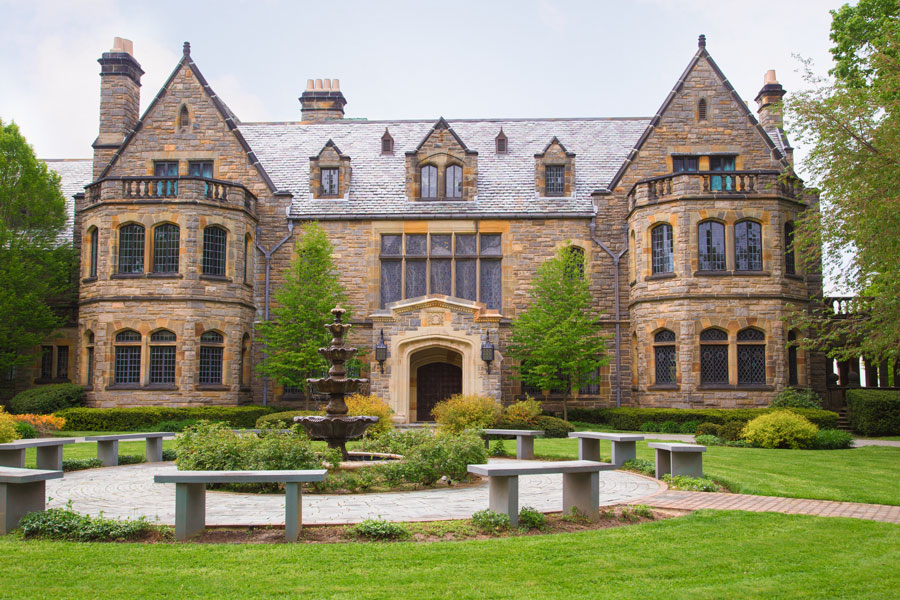
Mill Neck is a quiet incorporated village on the North Shore of Long Island in Nassau County. Part of the Town of Oyster Bay, it is known for wooded roads, large estates, tidal marshland, and scenic views tied to the waters around Oyster Bay. Mill Neck is not a commercial downtown destination, but it remains one of the North Shore’s most picturesque and historically distinctive residential communities.
History
Mill Neck is closely tied to Long Island’s Gold Coast heritage, when prominent families established substantial country estates along the North Shore. Its best-known landmark is Mill Neck Manor, originally built in the 1920s as Sefton Manor, a striking Tudor Revival estate. In later years, the property became home to the charitable and educational mission associated with Mill Neck Manor and the Mill Neck Foundation, helping preserve both the building’s architectural significance and its long-standing community role.
Community and Landscape
Mill Neck remains a small, low-density village with fewer than 1,000 residents in recent census counts. Its landscape is defined by rolling terrain, mature trees, shoreline inlets, and views toward Oyster Bay Harbor and Mill Neck Creek. Strict residential character and estate-style development have helped the village retain an unhurried feel. Visitors should note that much of the village is private residential property, so public access is limited in many areas.
Education
Public school attendance for village residents depends on address within the surrounding North Shore area. Mill Neck is also widely associated with the long-running educational and charitable work centered at Mill Neck Manor, including services for children and families who are deaf or hard of hearing.
Points of Interest
- Mill Neck Manor (Sefton Manor): One of the village’s signature landmarks, this historic Tudor Revival estate reflects the grandeur of the Gold Coast era. Public access may be limited to select programs, events, or special occasions, so check ahead before planning a visit.
- Oyster Bay Harbor and Mill Neck Creek: The village’s shoreline setting contributes to its scenic character, with nearby opportunities for boating, birding, and waterfront views. Access points vary, and many shorefront areas in and around Mill Neck are private or restricted.
- Nearby Planting Fields Arboretum State Historic Park: A short drive away, this major North Shore attraction offers formal gardens, walking paths, greenhouses, and historic estate architecture. Hours and mansion access can vary by season, so check current details before visiting.
Visitor Information
Mill Neck is best explored as part of a broader North Shore outing that may also include Oyster Bay, Locust Valley, Bayville, or nearby Gold Coast estates and parks. Because the village is primarily residential, visitors should expect little in the way of shopping, dining, or public gathering space within Mill Neck itself. Scenic driving, architecture spotting from public roads, and pairing the area with nearby parks, waterfront stops, and estate attractions are the main draws. Always respect private property and check ahead for access details.
Transportation
Most visitors arrive by car via local North Shore roads connected to NY 25A and surrounding village routes. Long Island Rail Road service is available in nearby communities such as Locust Valley and Oyster Bay, though station options, parking rules, and schedules may change. As with many North Shore destinations, service details, navigation, and parking access are best checked ahead of time.
Mill Neck, New York
Key Facts and Details
| Fact | Details |
|---|---|
| Community | Mill Neck, New York |
| Municipal Status | Incorporated village |
| Incorporated | 1925 |
| County | Nassau County |
| Town | Town of Oyster Bay |
| Region | North Shore of Long Island |
| ZIP Code | 11765 |
| Village Hall | 32 Frost Mill Road, Mill Neck |
| Community Character | Low-density residential village characterized by wooded roads, large properties, historic estates and waterfront landscapes |
| Historic Development | Evolved from an early agricultural area into a prominent North Shore estate community during the Gilded Age and Gold Coast era |
| Historic Heritage | Part of Long Island’s Gold Coast, where wealthy New York families established substantial country estates |
| Major Landmark | Mill Neck Manor, formerly known as Sefton Manor |
| Mill Neck Manor Style | Tudor Revival |
| Manor Design | Architectural firms Clinton & Russell and Wells, Holton & George were retained in 1923 to design the Dodge residence |
| Original Manor Owners | Robert Leftwich Dodge and Lillian Sefton Dodge |
| Mill Neck Manor Estate | Approximately 86 acres overlooking Long Island Sound |
| Manor Interior | 34-room residence with 16 bathrooms as well as numerous guest and service rooms |
| Manor Exterior | Westchester granite construction accented with limestone |
| Educational History | The Sefton-Dodge estate was purchased by Lutheran Friends of the Deaf in 1949 for use as a school for Deaf children |
| School Opening | Mill Neck Manor School for the Deaf officially opened in September 1951 |
| Modern Educational Campus | The Deaf Education Center was completed on the Mill Neck campus in 2001, allowing educational programs to move from the historic manor into purpose-built facilities |
| Waterways | Mill Neck Creek, nearby Oyster Bay Harbor and Long Island Sound |
| Nearby Communities | Locust Valley, Bayville and Oyster Bay |
| Nearby Attraction | Planting Fields Arboretum State Historic Park in nearby Upper Brookville |
| Rail Transportation | Long Island Rail Road service is available from nearby stations including Locust Valley and Oyster Bay |
| Primary Road Access | Local North Shore roads connecting with NY 25A and surrounding Oyster Bay communities |
| Commercial Character | Primarily residential, with little conventional shopping or downtown commercial development within the village |
| Visitor Experience | Historic architecture, estate landscapes, scenic roads and waterfront surroundings; much of the village remains private residential property |
Mill Neck occupies a distinctive place among the small incorporated villages of Nassau County. Its wooded roads, tidal waterways and surviving estates preserve a landscape shaped first by agriculture and later by the extraordinary concentration of wealth that transformed Long Island’s North Shore during the Gold Coast era. Mill Neck Manor provides the village with an especially meaningful link between those two identities: a grand private estate that was ultimately transformed into the center of an educational and charitable mission serving Deaf and Hard of Hearing people. Nearly a century after Mill Neck became an incorporated village in 1925, its limited commercial development, extensive tree cover, historic architecture and relationship with the surrounding waters continue to distinguish it from the more densely developed communities elsewhere on Long Island.
Are you ready for fall on Long Island? Check out these local seasonal guides:
🍎 Apple Picking | 🍂 Fall Festivals & Farm Activities | 👻 Haunted Houses | 🎃 Pumpkin Picking