
Oyster Bay Harbor
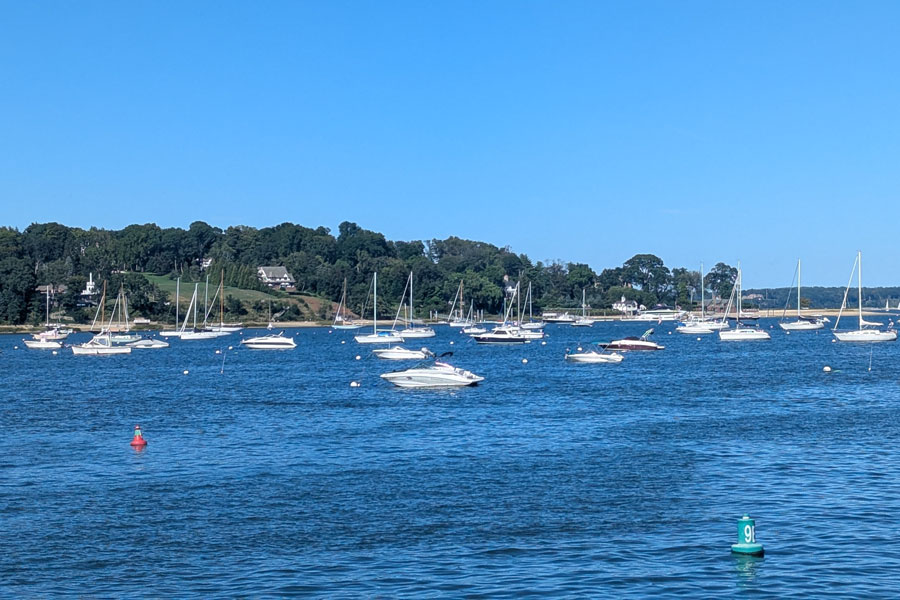
Oyster Bay Harbor is a large natural harbor located along Long Island’s North Shore in Nassau County, New York. Situated between Oyster Bay, Centre Island, Bayville, Mill Neck, Laurel Hollow, and the Village of Oyster Bay Harbor, the harbor opens northward into Long Island Sound. Known for its rich maritime history, boating culture, wildlife habitats, and connection to President Theodore Roosevelt, Oyster Bay Harbor remains one of Long Island’s most historically significant and scenic waterfront destinations.
For centuries, the harbor has served as an important center for transportation, fishing, oyster harvesting, recreation, and commerce. Today, its protected waters support recreational boating, sailing, kayaking, fishing, and environmental conservation while providing a picturesque backdrop for many of the North Shore’s most desirable communities.
History and Geography
Oyster Bay Harbor occupies a protected inlet along the northern shoreline of Nassau County. The harbor is bordered by several prominent North Shore communities and connects directly to Long Island Sound. Its sheltered waters, wooded shorelines, and natural coves have made it a valuable harbor for centuries.
Long before European settlement, Native American communities utilized the harbor’s abundant marine resources for fishing and shellfishing. Following colonial settlement, the harbor became an important maritime center known for fishing, shipbuilding, transportation, and oyster harvesting. The abundance of oysters found in local waters contributed to the area’s name and helped support a thriving shellfish industry throughout much of Long Island’s history.
During the late nineteenth and early twentieth centuries, Oyster Bay Harbor became associated with Long Island’s Gold Coast era as wealthy families established estates overlooking the harbor and surrounding shoreline. The harbor gained national prominence through its association with President Theodore Roosevelt, whose nearby home at Sagamore Hill National Historic Site served as his famous “Summer White House.”
Today, Oyster Bay Harbor remains an important recreational and ecological resource while preserving much of the natural beauty that has defined the area for generations.
Boating and Waterfront Culture
Boating has long been central to life on Oyster Bay Harbor. The harbor’s protected waters attract recreational boaters, sailors, kayakers, and anglers throughout much of the year. Numerous marinas, yacht clubs, private docks, and waterfront facilities line portions of the shoreline, supporting a vibrant maritime community.
Sailing remains especially popular due to the harbor’s calm conditions and direct access to Long Island Sound. Residents and visitors frequently enjoy harbor cruises, paddleboarding, wildlife observation, and scenic waterfront photography.
Fishing also continues to be a popular activity, with anglers targeting striped bass, bluefish, fluke, blackfish, and other species that inhabit the harbor and surrounding waters. The area’s maritime traditions remain deeply connected to the identity of neighboring North Shore communities.
Parks and Recreation
- Boating and Sailing – Oyster Bay Harbor provides excellent opportunities for recreational boating, sailing, kayaking, paddleboarding, and harbor cruises.
- Fishing – Anglers regularly fish the harbor for striped bass, bluefish, fluke, blackfish, and seasonal species.
- Sagamore Hill National Historic Site – The former home of President Theodore Roosevelt overlooks portions of the surrounding harbor region.
- Theodore Roosevelt Memorial Park – Located along the waterfront in Oyster Bay, the park offers walking paths, waterfront views, and recreational facilities.
- Wildlife Observation – The harbor supports numerous bird species, marine life, and protected coastal habitats.
Environmental Importance
Oyster Bay Harbor contains important coastal ecosystems that support fish populations, shellfish beds, migratory birds, and marine wildlife. Salt marshes, tidal flats, submerged aquatic vegetation, and shoreline habitats contribute to the ecological health of the harbor and surrounding waters.
Much of the harbor and nearby shoreline falls within or adjacent to the Oyster Bay region’s protected environmental areas, including portions of the Oyster Bay National Wildlife Refuge. Conservation efforts focus on water quality, habitat restoration, shoreline preservation, and protection of native wildlife populations.
Environmental organizations, local governments, and community groups continue to monitor the health of the harbor while working to preserve its ecological and recreational value for future generations.
Transportation and Access
- Road Access: Northern Boulevard (NY 25A), Route 106, and Route 107 provide access to Oyster Bay Harbor and surrounding communities.
- Rail: The nearby Long Island Rail Road (LIRR) Oyster Bay Branch serves the region through Oyster Bay Station.
- Boat Access: Numerous marinas, yacht clubs, docks, and launching facilities provide direct access to the harbor.
- Nearby Destinations: The harbor is located near Oyster Bay, Bayville, Mill Neck, Laurel Hollow, Centre Island, and the broader North Shore region.
Vicinity of Oyster Bay Harbor
Visitor’s Snapshot: Oyster Bay Harbor
| Feature | Details |
|---|---|
| Location | North Shore of Nassau County, Long Island |
| Type | Natural harbor and estuary |
| Connected Waters | Long Island Sound |
| Known For | Boating, oyster harvesting history, Theodore Roosevelt, and Gold Coast waterfront scenery |
| Nearby Communities | Oyster Bay, Bayville, Centre Island, Mill Neck, Laurel Hollow, and Oyster Bay Harbor |
| Popular Activities | Boating, sailing, fishing, kayaking, paddleboarding, and wildlife viewing |
| Waterfront Features | Protected harbor waters, coves, marinas, docks, wetlands, and shoreline estates |
| Environmental Importance | Wildlife habitats, shellfish beds, salt marshes, and coastal conservation areas |
| Transportation | NY 25A, Routes 106 and 107, and the LIRR Oyster Bay Branch |
| Community Vibe | Historic, maritime, scenic, and nature-oriented |
Oyster Bay Harbor remains one of Long Island’s most historic and picturesque waterfront destinations. From its role in the region’s maritime heritage and oyster industry to its connection with Theodore Roosevelt and the Gold Coast era, the harbor continues to shape the character of Nassau County’s North Shore while providing outstanding opportunities for recreation, conservation, and scenic enjoyment.
Are you ready for fall on Long Island? Check out these local seasonal guides:
🍎 Apple Picking 🍓 Strawberry Picking 🎃 Pumpkin Picking 👻 Haunted Houses 🍂 Farm Festivals