
Locust Valley, New York
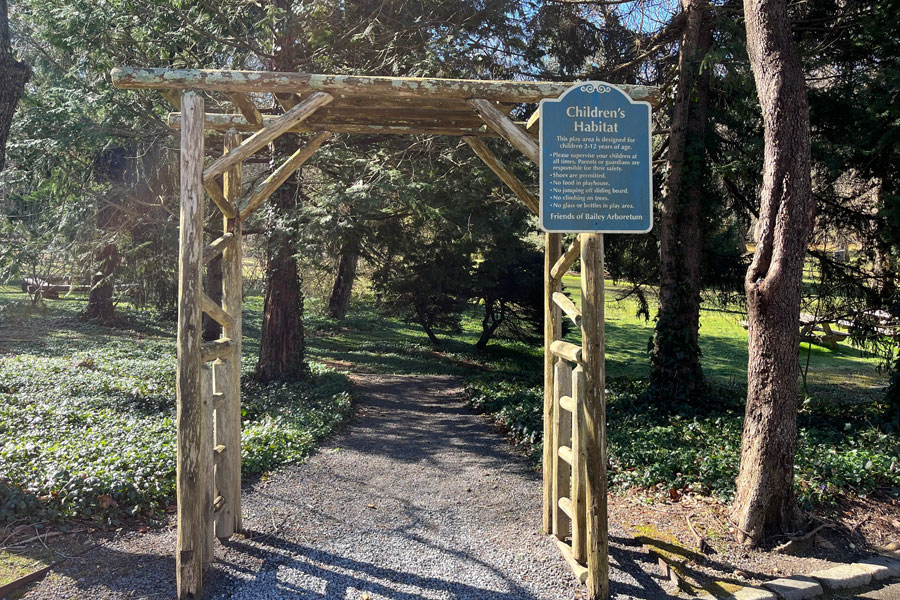
Locust Valley is a hamlet and census-designated place located on Long Island’s North Shore in the Town of Oyster Bay, Nassau County, New York. Known for its historic estates, equestrian traditions, charming downtown district, and connection to Long Island’s Gold Coast era, Locust Valley is one of the North Shore’s most distinctive and affluent communities. The hamlet combines small-town character with scenic residential neighborhoods, wooded landscapes, and a rich history that reflects the development of Nassau County during the late nineteenth and early twentieth centuries.
Situated between Glen Cove, Bayville, Mill Neck, Matinecock, and Lattingtown, Locust Valley serves as both a residential community and a regional center for shopping, dining, and local services. Its historic train station, tree-lined streets, and proximity to parks, beaches, and nature preserves continue to attract residents seeking a blend of suburban living and North Shore charm.
History of Locust Valley
The area that would become Locust Valley was originally inhabited by Native American communities long before European settlement. During the seventeenth and eighteenth centuries, the region remained largely agricultural, consisting of farms, woodlands, and rural estates.
Locust Valley experienced significant growth during the late nineteenth century with the expansion of the Long Island Rail Road. Improved transportation connections made the North Shore increasingly attractive to wealthy New York City families who established large country estates throughout the region. Locust Valley became an important part of Long Island’s Gold Coast, a period marked by the construction of grand mansions, landscaped estates, and country properties.
Throughout the twentieth century, many of the area’s large estates were subdivided or repurposed, but Locust Valley retained much of its historic character. The hamlet continues to reflect its Gold Coast heritage through preserved architecture, estate properties, and longstanding community institutions.
Geography and Setting
Locust Valley is situated in northeastern Nassau County approximately 30 miles east of Manhattan. The community occupies gently rolling terrain typical of Long Island’s North Shore and is surrounded by mature woodlands, parks, and waterfront communities.
Nearby communities include:
The hamlet’s location provides convenient access to both Long Island Sound and many of the North Shore’s most notable natural and historic attractions.
Community Character
Locust Valley is known for its strong sense of community and traditional downtown district. Forest Avenue serves as the hamlet’s primary commercial corridor and features local businesses, restaurants, boutiques, professional offices, and community gathering spaces.
The community is often associated with:
- Gold Coast history
- Historic estates
- Equestrian culture
- Tree-lined residential neighborhoods
- Strong public schools
- Small-town atmosphere
- Preservation of local character
- North Shore heritage
Unlike many suburban communities, Locust Valley maintains a walkable downtown that serves as a focal point for residents and visitors alike.
Gold Coast Heritage
Locust Valley played an important role in the development of Long Island’s Gold Coast. During the Gilded Age and early twentieth century, wealthy industrialists, financiers, and prominent families established extensive estates throughout the surrounding area.
Many of these estates featured formal gardens, carriage houses, horse stables, and architecturally significant residences. The influence of this era remains visible throughout the community and neighboring villages including Mill Neck, Matinecock, Upper Brookville, and Muttontown.
The area’s historic character continues to distinguish Locust Valley from many other Long Island communities.
Equestrian Tradition
One of Locust Valley’s defining characteristics is its longstanding equestrian culture. Horse farms, riding facilities, and bridle paths have historically been common throughout the surrounding North Shore communities.
The area’s open spaces, estate lands, and rural heritage helped establish Locust Valley as one of Long Island’s premier equestrian regions. While development has changed portions of the landscape over time, horseback riding remains an important part of the community’s identity.
Parks and Recreation
Residents enjoy access to numerous recreational opportunities throughout the North Shore region.
Popular nearby destinations include:
- Bailey Arboretum
- Shu Swamp Nature Preserve
- Coffin Woods Preserve
- Garvies Point Preserve
- Theodore Roosevelt Memorial Park
- Planting Fields Arboretum State Historic Park
- Oyster Bay Harbor
- Long Island Sound waterfront areas
These locations provide opportunities for hiking, birdwatching, photography, nature study, and outdoor recreation.
Education
Locust Valley is served primarily by the Locust Valley Central School District. The district is recognized for its academic programs, extracurricular activities, athletics, and community involvement.
Educational institutions serving the area include:
- Locust Valley High School
- Locust Valley Middle School
- Bayville Primary School
- Ann MacArthur Primary School
The district serves students from several neighboring North Shore communities.
Transportation
Transportation options include both road and rail connections.
Major transportation routes include:
- Forest Avenue
- Piping Rock Road
- Chicken Valley Road
- Northern Boulevard (NY 25A)
The Locust Valley station on the Long Island Rail Road’s Oyster Bay Branch provides commuter rail service connecting residents with Nassau County, Queens, and New York City.
Real Estate
Housing in Locust Valley ranges from historic homes and traditional suburban residences to luxury estate properties and custom-built houses. Many neighborhoods feature mature landscaping, large lots, and architectural styles reflecting the community’s historic development.
The area’s Gold Coast heritage, strong schools, and desirable North Shore location contribute to consistently strong property values and residential demand.
Quality of Life
Locust Valley offers residents a unique combination of history, community character, natural beauty, and convenient access to the broader New York metropolitan region. The hamlet’s walkable downtown, excellent schools, recreational opportunities, and preserved North Shore charm continue to make it one of Nassau County’s most sought-after communities.
Key Facts and Details
| Location | North Shore of Long Island, Nassau County, New York |
|---|---|
| Town | Town of Oyster Bay |
| County | Nassau County |
| Community Type | Hamlet and Census-Designated Place (CDP) |
| Population | Approximately 3,400 residents |
| ZIP Code | 11560 |
| School District | Locust Valley Central School District |
| Transportation | Locust Valley LIRR Station, Northern Boulevard (NY 25A), Forest Avenue, Piping Rock Road |
| Known For | Gold Coast estates, equestrian culture, historic downtown, and North Shore charm |
| Nearby Communities | Mill Neck, Matinecock, Lattingtown, Bayville, Glen Cove, Oyster Bay, Upper Brookville |
| Nearby Attractions | Bailey Arboretum, Shu Swamp Nature Preserve, Planting Fields Arboretum State Historic Park, Oyster Bay Harbor, Theodore Roosevelt Memorial Park |
| Community Character | Historic, affluent, scenic, walkable, and family-oriented |
Locust Valley remains one of Long Island’s most distinctive North Shore communities. From its Gold Coast heritage and equestrian traditions to its walkable downtown and scenic surroundings, the hamlet offers a unique blend of history, culture, and suburban living that continues to attract residents and visitors alike.
Are you ready for fall on Long Island? Check out these local seasonal guides:
🍎 Apple Picking 🍓 Strawberry Picking 🎃 Pumpkin Picking 👻 Haunted Houses 🍂 Farm Festivals