
Lattingtown, New York
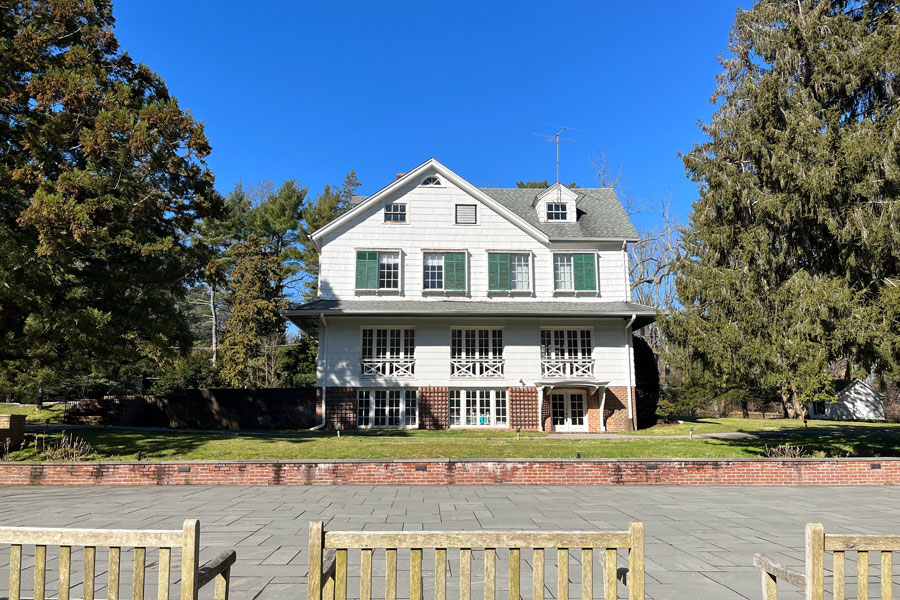
Lattingtown is an incorporated village on the North Shore of Long Island in the Town of Oyster Bay, Nassau County, New York. The village is characterized by wooded roads, large residential properties, historic estates and a landscape closely associated with Long Island’s Gold Coast era.
Located near Locust Valley, Glen Cove, Mill Neck and Bayville, Lattingtown occupies approximately 3.75 square miles near Long Island Sound. The 2020 United States Census recorded 1,881 residents, giving the village a comparatively low population density for Nassau County.
History of Lattingtown
The area that became Lattingtown was inhabited by Indigenous people long before European settlement. During the colonial period, farms, woodland and coastal properties developed across this part of the Oyster Bay area, creating a rural landscape that remained largely agricultural for generations.
Major changes came during the late 19th and early 20th centuries as wealthy families from New York City established country residences throughout the North Shore. Lattingtown became part of the region associated with Long Island’s Gold Coast, where large homes, landscaped grounds, formal gardens, carriage houses and extensive private properties transformed former farmland.
The Village of Lattingtown was incorporated in 1931, during a period when several North Shore estate communities formed village governments. Incorporation provided greater local control over matters including land use and development while Lattingtown remained within the Town of Oyster Bay.
Gold Coast Heritage
Lattingtown’s Gold Coast history remains visible in its development pattern and architecture. Some former estates have been divided or adapted to new uses, but large properties, mature landscaping, stone walls, gatehouses and older residences continue to shape the village.
Architectural styles represented in the area include Colonial Revival, Tudor Revival, Georgian and other designs favored during the estate era. Even where the original mansion or estate no longer survives intact, historic roads, trees, property boundaries and landscape features continue to reflect the period when this portion of the North Shore became a prominent country retreat.
Bailey Arboretum and Munnysunk
One of Lattingtown’s most notable landmarks is Bailey Arboretum, a 42-acre public arboretum developed from the former estate of Frank and Marie Louise Bailey. Frank Bailey purchased the property in 1911 as a summer retreat, including an older residence that became known as Munnysunk and more than 40 acres of surrounding land.
Bailey was an enthusiastic horticulturist who developed an extensive collection of trees and plants on the estate. Among the arboretum’s best-known specimens are its dawn redwoods, descendants of seeds distributed to horticultural institutions and specialists after living examples of the species were rediscovered in China during the 20th century.
Following Marie Louise Bailey’s death, the property was donated to Nassau County in 1968. Today, Bailey Arboretum preserves the estate landscape as a public garden and nature destination with walking trails, plant collections, educational programs and the historic Munnysunk residence.
Geography and Community Character
Lattingtown occupies rolling terrain near Long Island Sound and is distinguished by mature trees, winding local roads and relatively large residential parcels. Development is predominantly residential, and the village does not contain a traditional downtown or major commercial district.
The combination of limited commercial development and low-density housing gives much of Lattingtown a semi-rural appearance despite its location within suburban Nassau County. Homes range from surviving estate properties and traditional residences to newer custom houses built within the established landscape.
Recreation and Outdoor Activities
Bailey Arboretum provides one of the village’s most accessible outdoor destinations, with landscaped grounds, mature specimen trees and walking areas. The surrounding North Shore also places Lattingtown close to Shu Swamp Nature Preserve, Mill Neck Creek, Oyster Bay Harbor, Theodore Roosevelt Memorial Park and Long Island Sound.
These nearby natural areas provide opportunities for walking, hiking, birdwatching, photography, fishing, kayaking and nature study. Public access varies by property, and some waterfront locations or preserves have seasonal rules, parking restrictions or residency requirements, so current conditions should be checked before visiting.
Transportation
Lattingtown is reached primarily by local roads connecting the village with Locust Valley, Glen Cove, Bayville and neighboring North Shore communities. Lattingtown Road and Bayville Road are among the principal local routes, while Northern Boulevard (NY 25A) provides a major east-west connection through the surrounding region.
There is no Long Island Rail Road station within Lattingtown. Nearby Locust Valley is served by the Oyster Bay Branch, providing rail connections toward other parts of Nassau County, Queens and New York City.
Community and Local Services
Because Lattingtown is primarily residential, shopping, dining and many everyday services are found in surrounding communities. Locust Valley provides the closest traditional business district, while nearby Glen Cove offers a larger concentration of stores, restaurants and services. Oyster Bay and Bayville provide additional shopping, dining and recreational options elsewhere on the North Shore.
Public school assignments depend on the location of an individual property and applicable district boundaries. Residents should confirm current school district information directly for a specific address rather than relying solely on a Lattingtown mailing address.
Lattingtown, New York
Key Facts and Details
| Community | Lattingtown, New York |
| Community Type | Incorporated village |
| Town | Town of Oyster Bay |
| County | Nassau County |
| Region | North Shore of Long Island |
| Incorporated | 1931 |
| 2020 Population | 1,881 |
| Land Area | Approximately 3.75 square miles |
| Population Density | Approximately 502 residents per square mile based on 2020 population and land area |
| ZIP Code | 11560 |
| Land Use | Predominantly low-density residential |
| Known For | Gold Coast heritage, wooded roads, estate properties and Bailey Arboretum |
| Bailey Arboretum | 42-acre public arboretum developed from the former estate of Frank and Marie Louise Bailey |
| Historic Residence | Munnysunk at Bailey Arboretum |
| Transportation | Lattingtown Road, Bayville Road, nearby Northern Boulevard (NY 25A) and nearby Long Island Rail Road service |
| Nearest LIRR Service | Locust Valley station on the Oyster Bay Branch |
| Nearby Communities | Locust Valley, Mill Neck, Bayville, Glen Cove and Oyster Bay |
| Nearby Natural Areas | Shu Swamp Nature Preserve, Mill Neck Creek, Oyster Bay Harbor and Long Island Sound |
| Community Character | Wooded, historic, low-density and primarily residential |
Lattingtown remains a distinctive part of Long Island’s North Shore, where the region’s agricultural past, Gold Coast estate history and modern residential landscape continue to overlap. Bailey Arboretum and Munnysunk provide a tangible connection to the village’s estate era, while mature trees, large properties and limited commercial development preserve much of Lattingtown’s established character. Its location near Locust Valley, Glen Cove, Mill Neck and Long Island Sound also places the village within one of Nassau County’s most historically and geographically distinctive areas.
Are you ready for fall on Long Island? Check out these local seasonal guides:
🍎 Apple Picking | 🍂 Fall Festivals | 👻 Haunted Houses | 🦃 Thanksgiving Dinner & Activities