
Mill Neck Creek
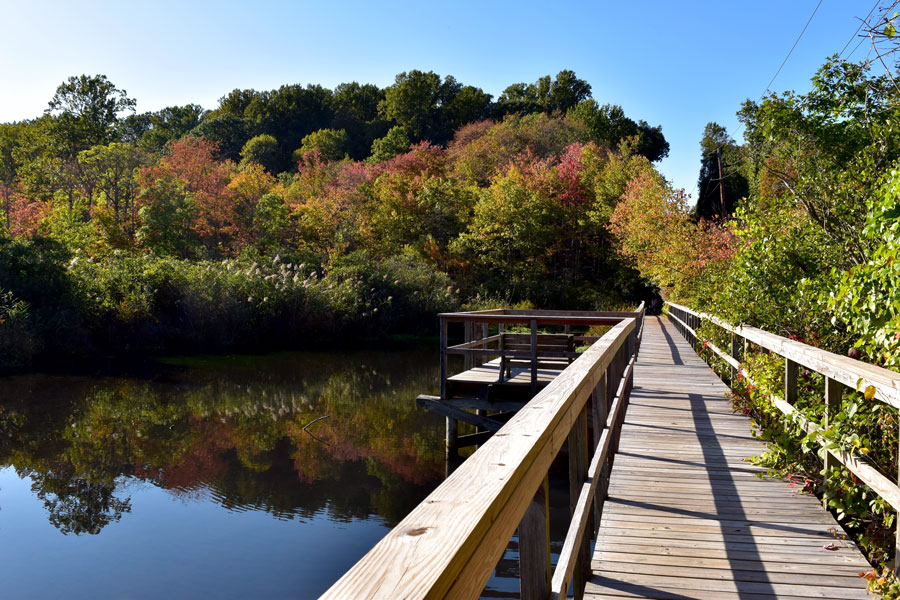
Mill Neck Creek is a narrow tidal inlet located along Long Island’s North Shore in Nassau County, New York. Situated between the communities of Mill Neck and Bayville, the creek forms part of the larger Oyster Bay Harbor estuary system and provides an important habitat for marine life, migratory birds, and coastal wetlands. Although smaller and less widely known than neighboring harbors and bays, Mill Neck Creek plays a significant role in the ecology and maritime character of Long Island’s North Shore.
The creek’s calm waters, marshlands, and wooded shoreline contribute to the scenic beauty of the surrounding region. For generations, the area has been associated with boating, shellfishing, wildlife observation, and waterfront living, reflecting the strong connection between North Shore communities and their coastal environment.
History and Geography
Mill Neck Creek extends inland from Oyster Bay Harbor, forming a protected tidal waterway bordered by wooded residential properties, wetlands, and natural shoreline habitats. The creek lies near the historic community of Mill Neck, one of Nassau County’s most affluent and environmentally preserved villages.
Like many waterways along Long Island’s North Shore, the creek was shaped by glacial activity thousands of years ago. The resulting landscape created sheltered coves, tidal marshes, and shallow estuarine environments that support a diverse range of wildlife and marine species.
Native American communities utilized the surrounding shoreline long before European settlement, taking advantage of the area’s abundant fish and shellfish resources. During the colonial period and beyond, local waterways including Mill Neck Creek supported transportation, fishing, and maritime activities that helped shape the development of neighboring communities.
Waterfront Character and Recreation
Mill Neck Creek is primarily known for its peaceful natural setting rather than large-scale recreational activity. Portions of the shoreline are privately owned, contributing to the creek’s quiet and largely undeveloped character. Small boats, kayaks, and paddlecraft occasionally utilize the waterway, particularly during favorable tidal conditions.
The creek’s connection to Oyster Bay Harbor provides access to larger boating routes throughout the North Shore and Long Island Sound. The surrounding area is especially popular among birdwatchers, photographers, and nature enthusiasts seeking scenic waterfront landscapes.
Parks and Recreation
- Wildlife Observation – The creek supports numerous species of birds, fish, and marine life throughout the year.
- Kayaking and Paddlecraft – Calm waters and protected shoreline areas make portions of the creek suitable for paddling activities.
- Scenic Photography – Natural wetlands, wooded shorelines, and harbor views provide attractive photographic opportunities.
- Oyster Bay Harbor Access – The creek connects directly to Oyster Bay Harbor and the broader North Shore boating environment.
- Nature Study – Local wetlands and tidal habitats provide opportunities for environmental education and ecological observation.
Environmental Importance
Mill Neck Creek serves as an important estuarine habitat within the Oyster Bay Harbor watershed. Its wetlands and tidal environments support shellfish, juvenile fish populations, migratory birds, and numerous native plant species. These ecosystems help improve water quality, reduce shoreline erosion, and provide critical habitat for wildlife.
Conservation efforts throughout the North Shore continue to focus on protecting coastal wetlands, preserving water quality, and maintaining the ecological health of interconnected waterways such as Mill Neck Creek and Oyster Bay Harbor. Environmental stewardship remains an important priority throughout the region.
Transportation and Access
- Road Access: Local roads through Mill Neck and Bayville provide access to areas surrounding the creek.
- Nearby Highways: Northern Boulevard (NY 25A) serves as the primary regional transportation corridor.
- Rail Service: Nearby communities are served by the Long Island Rail Road (LIRR) Oyster Bay Branch.
- Water Access: The creek connects directly to Oyster Bay Harbor and the waters of Long Island Sound.
- Nearby Communities: Mill Neck, Bayville, Oyster Bay, Centre Island, and Laurel Hollow.
Mill Neck Creek
Visitor’s Snapshot
| Feature | Details |
|---|---|
| Location | North Shore of Nassau County, Long Island |
| Type | Tidal creek and estuarine waterway |
| Connected Waters | Oyster Bay Harbor and Long Island Sound |
| Known For | Wetlands, wildlife habitats, scenic shoreline views, and environmental significance |
| Nearby Communities | Mill Neck, Bayville, Oyster Bay, Centre Island, and Laurel Hollow |
| Popular Activities | Wildlife observation, kayaking, photography, and nature study |
| Waterfront Features | Tidal marshes, shallow waters, natural shoreline habitats, and estuarine ecosystems |
| Environmental Importance | Bird habitat, shellfish areas, fish nursery grounds, and wetland preservation |
| Transportation | NY 25A, local roads, and nearby LIRR Oyster Bay Branch service |
| Community Vibe | Quiet, scenic, natural, and environmentally focused |
Although often overshadowed by larger North Shore waterways, Mill Neck Creek remains an important part of Nassau County’s coastal landscape. Its wetlands, tidal habitats, and connection to Oyster Bay Harbor support a wide variety of wildlife while contributing to the scenic beauty and environmental health of Long Island’s North Shore.
Are you ready for fall on Long Island? Check out these local seasonal guides:
🍎 Apple Picking 🍓 Strawberry Picking 🎃 Pumpkin Picking 👻 Haunted Houses 🍂 Farm Festivals