
Muttontown, New York
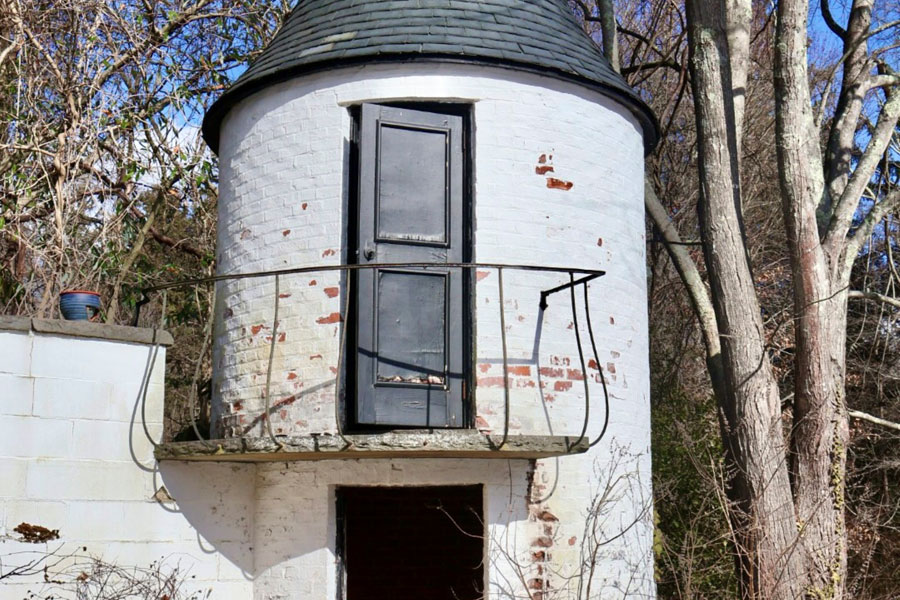
Muttontown is an incorporated village on the North Shore of Long Island in Nassau County. Known for its large residential estates, wooded landscapes, rolling terrain, and preserved suburban character, Muttontown is one of the most spacious and distinctive communities within Long Island’s historic Gold Coast region. The village is defined by expansive properties, equestrian areas, nature preserves, and low-density zoning that help maintain its rural and estate-like atmosphere.
Situated within the Town of Oyster Bay, Muttontown is near communities such as Old Westbury, Syosset, and Oyster Bay. Despite its secluded residential setting, the village remains accessible to major roadways, business districts, parks, and transportation infrastructure throughout Nassau County and the New York metropolitan region.
For visitors, Muttontown is best known less for a traditional downtown and more for its scenic roads, estate-country setting, and access to preserved open space. Much of the village is private residential property, so public exploration is generally centered on designated parkland and surrounding North Shore destinations.
History of Muttontown
The area that became Muttontown was historically associated with farmland, estates, and rural North Shore landscapes dating back to Long Island’s colonial era. The village incorporated in 1931 as suburban development expanded across Nassau County and local communities sought to preserve zoning control, open land, and residential character.
During the late 19th and early 20th centuries, the North Shore became home to large Gold Coast estates built by wealthy industrialists, financiers, and prominent families. Muttontown developed into one of the communities most closely associated with expansive residential properties, country estates, and a landscape-oriented style of living.
Residential Character
Muttontown is primarily residential and known for large homes set on spacious wooded lots. Architectural styles found throughout the village include Colonial Revival, Tudor, Mediterranean, Georgian, and custom-designed estate residences from several periods of development.
The village places strong emphasis on preservation, landscaping, and low-density development. Tree-lined roads, private driveways, equestrian properties, and natural scenery contribute to the community’s secluded and estate-oriented atmosphere.
Nature Preserves & Open Space
Muttontown is widely recognized for its preserved open space and natural landscapes. The village includes portions of the Muttontown Preserve, one of Nassau County’s largest nature preserves, with trails, woodlands, ponds, and historic estate-era grounds.
For many visitors, the preserve is the village’s main public attraction and one of the best ways to experience Muttontown’s wooded character. Trail conditions, parking arrangements, and visitor hours may vary by season or county operations, so it is wise to check ahead before visiting.
The preserve and surrounding wooded areas help maintain the village’s rural feel despite its location within the densely populated New York metropolitan region. Conservation efforts, equestrian land uses, and carefully protected residential landscapes remain important parts of the local environment.
Transportation & Accessibility
Muttontown is accessible by several major roadways, including the Long Island Expressway (I-495), Northern State Parkway, and nearby Northern Boulevard and Jericho Turnpike corridors. These routes connect the village with Queens, Manhattan, and eastern Long Island.
Nearby Long Island Rail Road stations in Syosset, Oyster Bay, and other surrounding communities provide rail access to New York City. Service patterns, station amenities, and parking rules may change, so travelers should confirm details before their trip.
Because Muttontown is a low-density village, most visitors arrive by car. Shopping, dining, and everyday services are generally found in nearby communities rather than within the village itself.
Gold Coast Legacy
Muttontown forms part of Long Island’s historic Gold Coast, a region long associated with grand estates, wealth, and suburban development tied to New York City’s economic expansion. The area’s rolling terrain, wooded environment, and large properties contributed to its appeal among affluent families during the Gold Coast era.
Today, the village continues to reflect many characteristics associated with Long Island’s estate communities, including large residential lots, preserved natural settings, and architectural diversity shaped by several generations of development.
Vicinity of Muttontown
Key Facts & Details
| Location | North Shore in Nassau County, Long Island, New York |
|---|---|
| Village Type | Incorporated village |
| Incorporated | 1931 |
| Town | Town of Oyster Bay |
| County | Nassau County |
| Region | Gold Coast / North Shore |
| Known For | Estate homes, wooded landscapes, preserved open space, and a secluded residential character |
| Nearby Communities | Old Westbury, Syosset, Oyster Bay, and other nearby North Shore communities |
| Major Preserve | Muttontown Preserve |
| Transportation Access | Long Island Expressway, Northern State Parkway, local arterial roads, and nearby Long Island Rail Road stations |
| Community Character | Low-density residential village with estate-style properties and significant tree cover |
| ZIP Codes | Primarily 11732, with some addresses using nearby postal areas depending on location |
Muttontown remains one of Long Island’s most distinctive Gold Coast villages, offering a blend of estate-style residential living, preserved natural landscapes, and suburban seclusion within Nassau County. Its wooded environment, spacious properties, and historical ties to the Gold Coast era continue to define the character of the community today. Visitors interested in parks, scenic drives, and North Shore history will usually find Muttontown most rewarding as part of a broader trip through nearby preserve lands, estate areas, and surrounding villages.
Are you ready for fall on Long Island? Check out these local seasonal guides:
🍎 Apple Picking | 🍂 Fall Festivals & Farm Activities | 👻 Haunted Houses | 🎃 Pumpkin Picking