
John F. Kennedy International Airport (JFK)
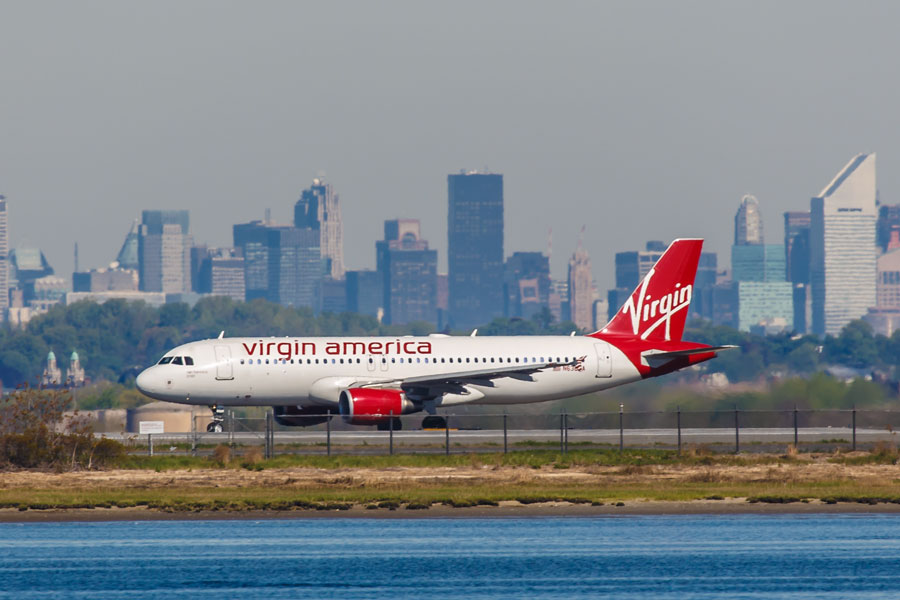
Though located in Queens, New York, John F. Kennedy International Airport (JFK) is one of the most important air gateways for travelers heading to and from Long Island. As one of the nation’s busiest airports, JFK serves international visitors arriving in the New York metro area as well as Long Island residents flying on domestic and long-haul routes.
Set on the southeastern edge of Queens near Jamaica Bay and close to the border of Nassau County, JFK is physically located on Long Island itself. That makes it a logical airport for travelers bound for destinations such as the Hamptons, Montauk, the North Fork, and communities across Suffolk and Nassau Counties.
For many visitors, JFK is their first introduction to the region. The airport continues to undergo large-scale redevelopment, with terminal projects, roadway work, and passenger-experience upgrades shaping how people move through the airport. Even with that ongoing construction, JFK remains a central hub for global travel and an important connection point for Long Island.
Whether you’re heading to a beach on the South Shore, a winery on the East End, or simply returning home to a Long Island suburb, JFK is often the most practical international airport option. Its links to the Long Island Rail Road (LIRR), regional highways, and AirTrain JFK help connect air travel with the rest of the island.
For current terminal maps, parking updates, and service alerts, check the official JFK Airport website before traveling.
Overview of JFK Airport
- Opened: 1948 (originally Idlewild Airport)
- Renamed: 1963, in honor of President John F. Kennedy
- Size: About 5,200 acres
- Location: Southeastern Queens, New York City, near Jamaica Bay and Nassau County
- Passenger Volume: Typically tens of millions of travelers per year; totals vary by year and season
JFK is consistently ranked among the busiest airports in the United States, especially for international travel. Its terminal system is also in transition as part of a long-term redevelopment program, so travelers should always verify their airline’s current terminal assignment before leaving for the airport.
Terminal Breakdown
Terminal assignments at JFK can change as airlines shift operations and construction projects move forward. AirTrain JFK provides frequent service between terminals, parking areas, rental car facilities, Jamaica Station, and Howard Beach.
- Terminal 1: Used by several international carriers; redevelopment in this part of the airport continues in phases, so confirm airline details before arrival.
- Terminal 4: A major hub for Delta Air Lines and numerous international airlines.
- Terminal 5: Primarily associated with JetBlue and designed for high domestic and international passenger volume.
- Terminal 8: American Airlines and Oneworld partners use this terminal; British Airways operations are commonly associated with Terminal 8.
- Closed or redeveloped terminals: Former Terminals 2 and 7 have closed, and additional terminal projects continue as JFK is rebuilt in stages.
Getting to JFK from Long Island
JFK is well connected to Long Island by rail, roadway, rideshare, and private shuttle options. Travel times can vary significantly depending on traffic, construction, and time of day.
By Train:
- LIRR + AirTrain JFK:
- From many Long Island stations, take the Long Island Rail Road (LIRR) to Jamaica Station.
- Transfer to AirTrain JFK for service to airport terminals, parking areas, and airport support facilities.
- AirTrain is free within the airport system, but a fare applies when entering or exiting at Jamaica or Howard Beach.
- Subway connections: Travelers coming from New York City can also reach JFK via AirTrain connections at Jamaica or Howard Beach, though Long Island visitors usually find the LIRR transfer at Jamaica the most direct rail option.
By Bus, Shuttle, or Car Service:
- Private airport shuttles, black-car services, taxis, and app-based rides are commonly used by Long Island travelers.
- Hotel courtesy shuttles may be available for nearby stays, but schedules and pickup points vary.
- Public bus connections exist in Queens, though direct Long Island-to-JFK service is limited and may require transfers.
By Car:
- Common driving approaches include the Belt Parkway, Van Wyck Expressway (I-678), Nassau Expressway, and connections from the Southern State Parkway.
- On-airport parking, off-airport parking, and reserved parking options are typically available, but rates, lot locations, and availability can change.
- Roadway layouts and terminal drop-off zones may shift during construction, so check official airport guidance before leaving.
Major Airlines and Routes
JFK hosts a large mix of domestic and international carriers. Airline rosters and route maps change over time, but major names commonly associated with the airport include:
- Delta Air Lines
- American Airlines
- JetBlue Airways
- British Airways
- Emirates
- Lufthansa
- Air France
- Singapore Airlines
- Cathay Pacific
Typical nonstop or easy-connection markets for Long Island travelers often include major domestic cities such as Los Angeles, Miami, Orlando, Atlanta, Chicago, San Francisco, and Las Vegas, along with international gateways like London, Paris, Rome, Madrid, Dubai, Toronto, and many other destinations across Europe, Asia, the Middle East, Latin America, and the Caribbean. Specific routes can shift seasonally or by airline.
Amenities and Services
JFK offers a broad range of traveler services, though specific tenants and offerings vary by terminal:
- Dining: Quick-service counters, sit-down restaurants, coffee shops, bars, and grab-and-go food options
- Shopping: Duty-free stores, travel essentials, newsstands, souvenirs, and fashion or tech retailers
- Lounges: Airline lounges and independent lounge options in selected terminals
- Connectivity: Wi-Fi, charging stations, and digital flight information throughout the airport
- Accessibility: Elevators, accessible restrooms, mobility assistance, and other ADA-related services
- Family Services: Family restrooms, nursing areas, stroller-friendly access, and other traveler support amenities in select terminals
Nearby Hotels
Travelers with very early departures, late arrivals, or long layovers often stay near the airport. The TWA Hotel, located at JFK and connected to the historic former TWA Flight Center, is the airport’s best-known on-site lodging option. Additional chain hotels can be found in the airport area and around Jamaica, though shuttle schedules, parking packages, and airport access policies vary by property.
John F. Kennedy International Airport
Airport Snapshot
| Feature | Details |
|---|---|
| Location | Southeastern Queens, New York City, on western Long Island near Nassau County |
| Terminal Setup | JFK’s terminal map is changing as redevelopment continues; travelers commonly use Terminals 1, 4, 5, and 8, but should always verify current assignments |
| Main Airlines | Delta, JetBlue, American, British Airways, Emirates, Lufthansa, and many other domestic and international carriers |
| Transit Access | AirTrain JFK, LIRR via Jamaica Station, subway connections, taxis, rideshare, car service, and private shuttles |
| International Reach | One of the New York region’s main global gateways, with service patterns that vary by season and airline |
| Ground Transportation | Strong rail access for Long Island travelers through Jamaica Station, plus extensive highway access |
| Best Uses for LI Travelers | International trips, long-haul domestic flights, and airlines with larger JFK route networks |
| Airport Lodging | TWA Hotel and a range of nearby airport-area hotels |
For travelers moving between JFK and Long Island, the airport’s extensive domestic and international service makes it one of the region’s most important gateways. AirTrain JFK and the Long Island Rail Road provide a convenient rail connection through Jamaica Station, while nearby highways and parkways connect motorists with communities throughout Nassau County and Suffolk County. Whether the final destination is the Hamptons, North Fork, Montauk, or western Long Island, JFK remains a central starting point for travel across the region.
Are you ready for fall on Long Island? Check out these local seasonal guides:
🍎 Apple Picking 🍓 Strawberry Picking 🎃 Pumpkin Picking 👻 Haunted Houses 🍂 Farm Festivals