North Fork Wine Country
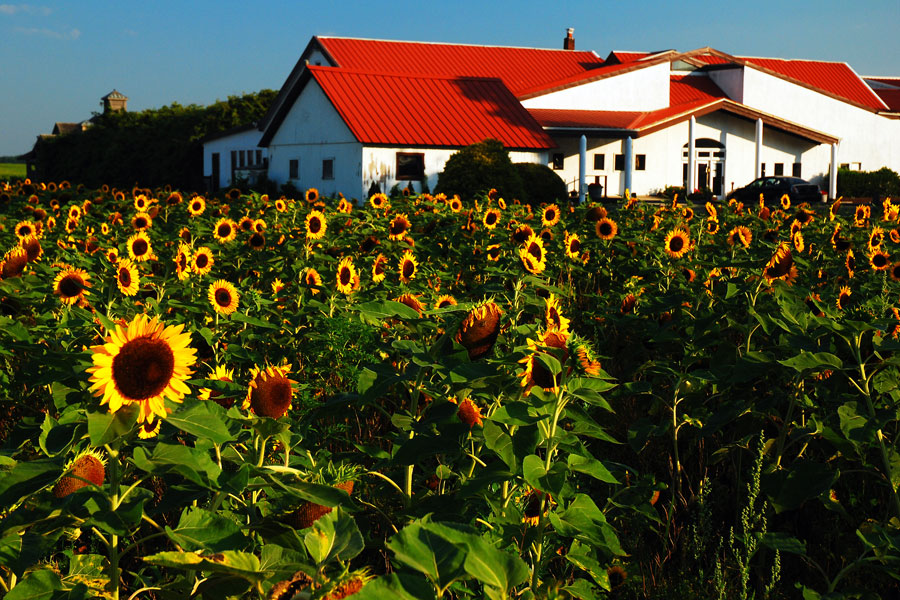
North Fork Wine Country combines vineyards, working farms, waterfront villages, tasting rooms, restaurants, and scenic country roads across the eastern end of Long Island. The region begins around Riverhead and continues east through communities such as Jamesport, Mattituck, Cutchogue, Peconic, Southold, and Greenport. Although wine is central to its identity, the North Fork is also shaped by agriculture, fishing, maritime history, local food, and the waters of Long Island Sound and the Peconic Bays.
This page serves as a regional travel guide rather than a winery directory. Visitors looking for individual tasting rooms, addresses, telephone numbers, official websites, and an interactive map should use the Long Island Wineries and Vineyards Directory.
What Is North Fork Wine Country?
North Fork Wine Country is the vineyard and agricultural region occupying the northern peninsula of Long Island’s East End. It lies primarily within the towns of Riverhead and Southold, with wineries distributed along Main Road, Sound Avenue, Oregon Road, Manor Lane, and other rural routes.
The North Fork of Long Island is also a federally recognized American Viticultural Area, or AVA. The designation identifies a defined grape-growing region with geographic and climatic characteristics that distinguish it from surrounding areas. The North Fork AVA lies within the larger Long Island AVA and includes approximately 158 square miles and 65,000 acres, extending across the North Fork and including Shelter Island and Robins Island.
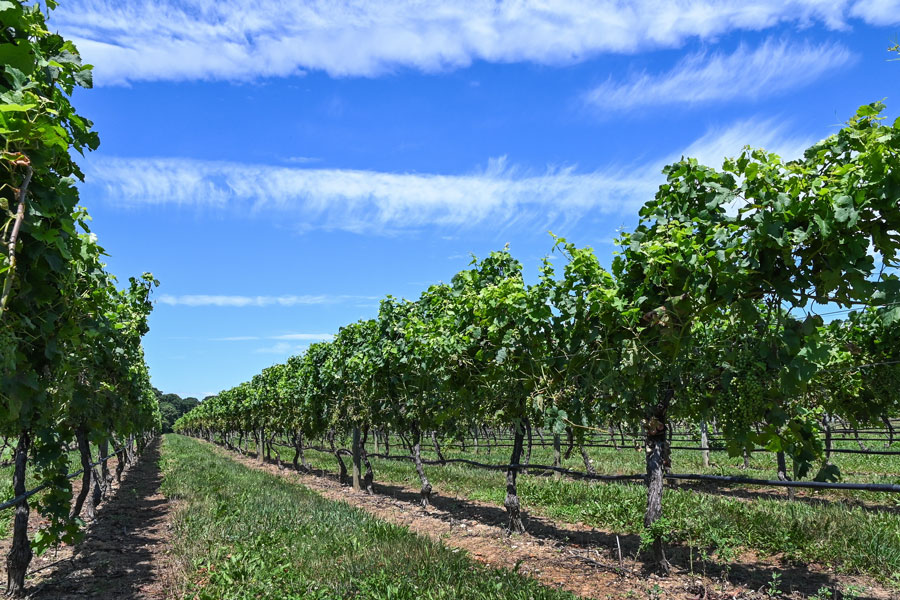
Wine tourism has become one of the region’s defining industries, but the North Fork remains a working agricultural landscape. Vineyards share the countryside with vegetable farms, orchards, flower fields, nurseries, farm stands, and preserved open space. This mixture gives the region a different character from the more densely developed areas farther west.
Looking for Individual Wineries?
Planning a wine-tasting trip? Browse our Long Island Wineries & Vineyards Directory, featuring an interactive map, winery locations, tasting rooms, official websites, and visitor information for more than 40 wineries and vineyards across Long Island.
→ Explore the Long Island Wineries & Vineyards Directory
History of Wine on the North Fork
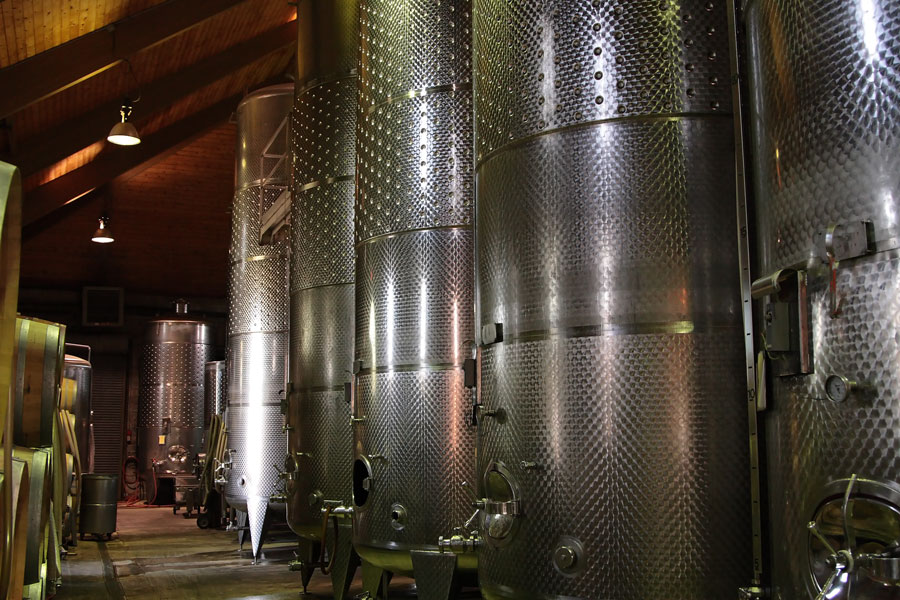
Commercial winegrowing on Long Island began in the early 1970s, when pioneers recognized that the East End’s farmland and maritime setting could support European wine grapes. The first plantings helped establish an industry that gradually expanded through the 1980s, 1990s, and early 2000s as additional growers opened vineyards and tasting rooms.
The North Fork of Long Island AVA was formally established in 1986. Over time, the region developed a reputation for wines made from grapes such as merlot, cabernet franc, cabernet sauvignon, chardonnay, sauvignon blanc, riesling, pinot noir, and gewürztraminer. Local producers also make rosé, sparkling wine, dessert wine, and blended wines, while individual vineyards continue to experiment with varieties and production methods suited to the maritime environment.
The growth of the wine industry also changed tourism on the North Fork. Communities once known primarily for farming, fishing, and summer cottages became year-round destinations for tastings, weddings, culinary events, harvest weekends, and short getaways. Wine tourism now supports restaurants, inns, transportation companies, farms, shops, and other local businesses throughout the region.
Why Grapes Grow Well Here
The North Fork is surrounded by water, with Long Island Sound to the north and the Peconic Bays to the south. These waters moderate temperatures, slowing spring warming and helping extend conditions into the fall. The maritime influence can reduce extreme temperature swings compared with inland growing regions, although vineyards still face storms, humidity, rainfall, and seasonal weather risks.
Many North Fork vineyards are planted in well-drained soils formed by glacial deposits. Growers select vineyard sites, grape varieties, rootstocks, and training systems based on drainage, wind exposure, elevation, soil composition, and proximity to surrounding waterways. The result is not a single uniform style of wine, but a regional identity shaped by the East End’s coastal climate and agricultural landscape.
The North Fork Winery Experience
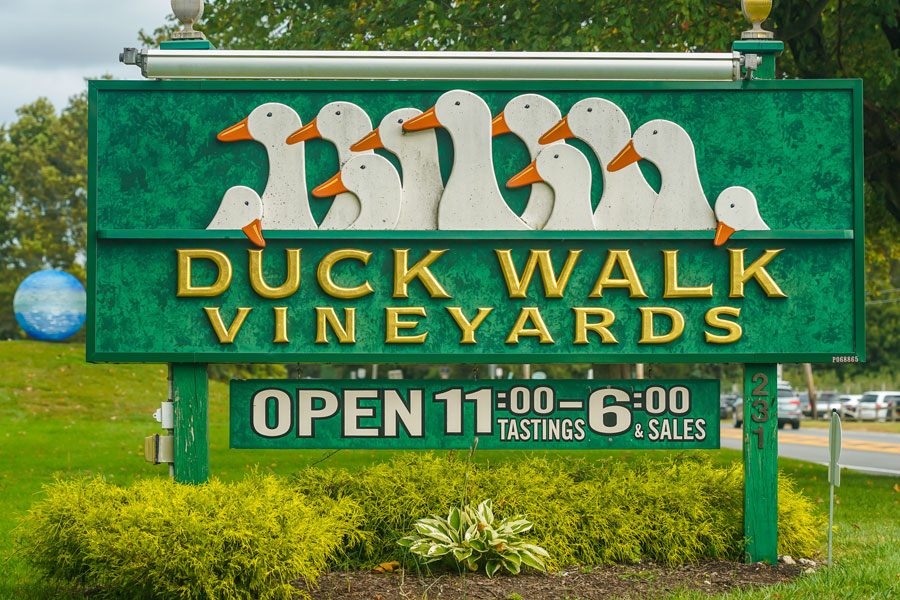
North Fork wineries range from small tasting rooms and family-run vineyards to large estate properties with expansive lawns, patios, event spaces, and food programs. Some focus on seated tastings and reservations, while others offer a more casual environment with outdoor tables, live music, or seasonal events. Certain properties are designed primarily for adults, and others welcome families under specific rules.
Visitors should not assume that every winery operates the same way. Outside food, pets, children, buses, limousines, large groups, and walk-in guests may be handled differently from one property to another. Hours and policies may also change by season. Checking each winery’s official website before traveling is the best way to confirm current requirements.
To compare more than 40 wineries, view locations on an interactive map, and visit official winery websites, explore the Long Island Wineries & Vineyards Directory.
Communities in North Fork Wine Country
Wine country is not a single village. It is a corridor of farms, hamlets, and waterfront communities extending eastward from Riverhead. Each area offers a slightly different experience.
Riverhead, Aquebogue, Jamesport, and Laurel
The western approach to wine country begins around Riverhead, Aquebogue, Jamesport, and Laurel. This part of the region combines vineyards with farm stands, orchards, restaurants, and access to downtown Riverhead. It is also convenient for visitors arriving from western Long Island because it sits near the division between the North Fork and South Fork.
Mattituck and Cutchogue
Mattituck and Cutchogue contain one of the North Fork’s largest concentrations of wineries. Main Road and surrounding country roads pass through vineyards, farms, historic areas, and small commercial centers. Mattituck also offers access to Love Lane, while Cutchogue remains closely associated with the region’s agricultural and winemaking identity.
Peconic and Southold
Peconic and Southold are surrounded by vineyards, farms, creeks, and bays. The area includes established wineries, boutique producers, restaurants, inns, and waterfront access. Southold’s historic center provides a useful stopping point for travelers continuing east toward Greenport.
Greenport and the Eastern North Fork
Greenport provides a waterfront contrast to the rural vineyard landscape. The village offers restaurants, shops, lodging, marinas, and ferry connections, making it a popular place to end a wine-country itinerary or stay overnight. Farther east, the North Fork continues through East Marion and Orient toward Orient Beach State Park and the eastern tip of the peninsula.
Beyond the Vineyards
A trip to North Fork Wine Country does not have to revolve entirely around tasting rooms. The region’s farms, waterways, parks, restaurants, villages, and seasonal attractions make it possible to build a full day or weekend around several different experiences.
Visitors can browse farm stands, shop for local produce, stop at roadside markets, explore the waterfront in Greenport, visit downtown Riverhead, or spend time near the Peconic Bays and Long Island Sound. The North Fork also has breweries, distilleries, restaurants, galleries, marinas, beaches, and seasonal festivals.
Outdoor destinations include Orient Beach State Park, county and town beaches, nature preserves, and scenic waterfront roads. Travelers staying several days can also use the North Fork as a base for visiting Shelter Island, which is accessible by ferry from Greenport.
Food and Farm-to-Table Dining
The North Fork’s restaurant scene is closely connected to local agriculture and surrounding waters. Menus frequently feature seasonal vegetables, seafood, oysters, locally raised products, and Long Island wines. Dining options range from casual roadside stops and waterfront restaurants to destination dining rooms and inns.
Reservations are advisable during summer and fall weekends, especially in Greenport, Southold, and other high-traffic areas. Winery kitchens and food trucks should not be treated as guaranteed meal options because schedules can change. Visitors planning a full day should confirm where they intend to eat rather than relying on food being available at every tasting room.
Best Time to Visit
North Fork Wine Country can be visited throughout the year, although the experience changes with the seasons. Spring brings new vineyard growth, flowering farms, and lighter crowds. Summer provides long days, outdoor seating, beach weather, and a full schedule of events. Early fall is associated with grape harvest, farm festivals, pumpkins, apples, and some of the region’s heaviest traffic. Winter is quieter, with fewer crowds and a more relaxed atmosphere at wineries that remain open.
Summer and fall weekends are the busiest periods. Main Road and Sound Avenue can become congested, particularly when winery visitors, farm traffic, festivals, and travelers heading to Greenport arrive at the same time. Weekdays, Sunday mornings, and earlier arrival times generally make it easier to travel between stops.
Planning a Day in Wine Country
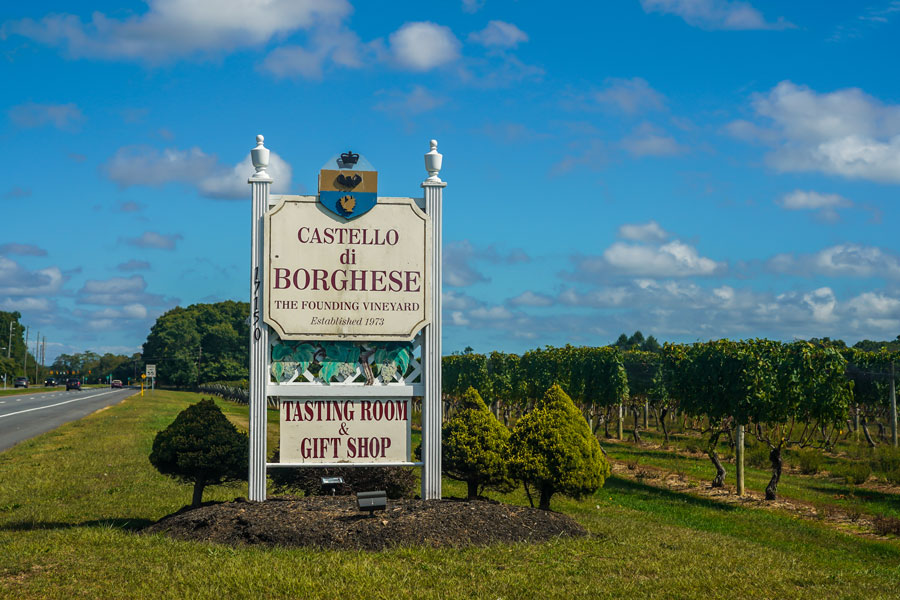
A practical day usually includes two or three wineries rather than attempting to visit a long list. Tasting experiences take time, and travel between properties can be slower than expected during peak periods. A balanced itinerary might combine a morning vineyard visit, lunch in Mattituck, Cutchogue, Southold, or Greenport, a second tasting in the afternoon, and time for a farm stand, waterfront walk, or local shop.
Visitors should choose a designated driver or arrange transportation when alcohol is part of the itinerary. Groups using limousines, buses, vans, or tour services must confirm that each winery accepts that type of vehicle and group size. Some properties require advance approval or do not admit large organized groups.
Before heading out, use the Long Island Wineries & Vineyards Directory to select wineries, view the interactive map, compare locations, and plan an efficient route through North Fork Wine Country.
Getting to North Fork Wine Country
Most visitors reach the North Fork by car using the Long Island Expressway, which ends near Riverhead, followed by Route 25, Route 25A, Sound Avenue, or local roads. Travel times vary significantly with traffic, particularly during summer, holiday weekends, and fall harvest season.
The Long Island Rail Road serves Riverhead, Mattituck, Southold, and Greenport on the Ronkonkoma Branch, but service east of Ronkonkoma is limited compared with commuter routes farther west. Travelers using the train should review current schedules and arrange local transportation because wineries are spread across a rural area and are not generally within easy walking distance of one another.
Where to Stay
Overnight accommodations are concentrated in Riverhead, Mattituck, Southold, and Greenport. Options include nationally branded hotels, boutique properties, historic inns, waterfront hotels, bed-and-breakfasts, and vineyard accommodations.
Riverhead offers larger hotels and convenient access from the Long Island Expressway. Greenport provides a walkable waterfront village with restaurants and shops. Southold and the central North Fork offer quieter inns and accommodations closer to vineyards. The Long Island Hotels and Resorts Directory can be used to compare lodging throughout the region.
North Fork Wine Country
Key Facts and Details
| Location | Eastern Suffolk County on Long Island’s East End |
| Primary region | North Fork, extending east from the Riverhead area toward Greenport and Orient |
| Federal wine designation | North Fork of Long Island American Viticultural Area |
| AVA established | October 10, 1986 |
| Approximate AVA size | 158 square miles, comprising about 65,000 acres |
| Major wine-country communities | Riverhead, Jamesport, Mattituck, Cutchogue, Peconic, Southold, and Greenport |
| Surrounding waters | Long Island Sound and the Peconic Bays |
| Peak visitation | Summer weekends and the fall harvest season |
| Best planning resource | Long Island Wineries and Vineyards Directory |
| Visitor advice | Confirm tasting-room hours, reservations, group restrictions, food policies, and transportation arrangements before traveling. |
North Fork Wine Country is more than a collection of tasting rooms. It is a living agricultural region where vineyards, farms, historic hamlets, waterfront villages, and local food remain closely connected. Visitors can spend a few hours tasting wine, build a full day around farms and villages, or stay overnight and explore the eastern North Fork at a slower pace. By combining the winery directory with community guides for Mattituck, Cutchogue, Southold, and Greenport, travelers can plan a visit that reflects the full character of Long Island’s North Fork.
Are you ready for fall on Long Island? Check out these local seasonal guides:
🍎 Apple Picking 🍓 Strawberry Picking 🎃 Pumpkin Picking 👻 Haunted Houses 🍂 Farm Festivals