
Queens-Midtown Tunnel
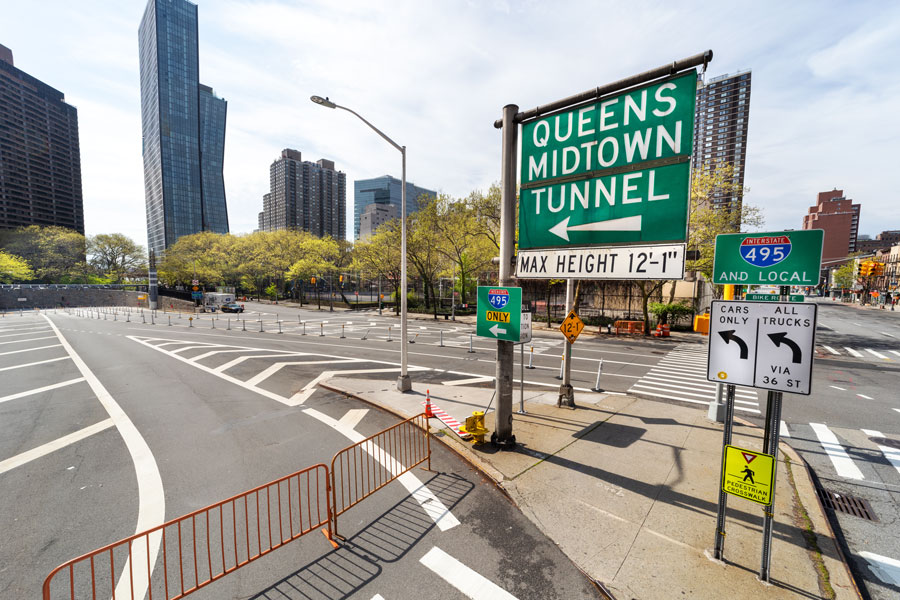
The Queens–Midtown Tunnel, often simply called the Midtown Tunnel, is one of New York City’s most important vehicular links between Manhattan and Long Island. Opened in 1940, the tunnel runs beneath the East River, connecting Midtown Manhattan with Long Island City in Queens. Operated by MTA Bridges and Tunnels, it remains a key route for commuters, visitors, and permitted commercial traffic traveling to and from Long Island.
History
- Construction & Opening: Built in the late 1930s and opened in 1940, the tunnel was a major engineering achievement of its era. It was designed by Ole Singstad, a pioneering tunnel engineer associated with several major New York crossings.
- World War II Era: Soon after opening, the tunnel became an important transportation link for wartime movement as well as everyday regional travel.
- Modern Upgrades: The tunnel has undergone continuing rehabilitation and storm-resiliency work, including major flood-protection improvements following Hurricane Sandy in 2012, along with updated tolling systems and infrastructure work.
Design & Features
- Twin Tubes: The tunnel consists of two tubes, each carrying two lanes of traffic, for a total of four lanes.
- Length: About 6,400 feet long (roughly 1.2 miles), making it one of the notable underwater vehicular tunnels of its time.
- Tolls: The crossing uses cashless tolling through E-ZPass and Tolls by Mail. Rates, discounts, and rules may change, so it is best to check current MTA information before driving.
- Restrictions: Pedestrians, bicycles, and hazardous materials are not permitted. Commercial vehicles may use the tunnel subject to current MTA size, weight, and safety regulations.
Importance for Long Island Travelers
For drivers traveling from Manhattan toward Long Island, the Queens–Midtown Tunnel offers one of the most direct routes. Unlike the Queensboro Bridge, which feeds into local street networks, the tunnel provides efficient access into western Queens and onward connections to major roadways such as:
- Long Island Expressway (I-495) – the primary highway route leading east across Queens and into Long Island.
- Brooklyn-Queens Expressway (BQE/I-278) – reachable through nearby Queens connections, depending on direction of travel and current traffic patterns.
That combination makes the tunnel a practical choice for many motorists heading deeper into Nassau and Suffolk Counties, though travel times can vary widely during peak periods, road work, incidents, and severe weather. Approaches on both sides can back up quickly, so checking traffic and MTA alerts ahead of time is a smart move.
Nearby Landmarks
- Manhattan Side: The Manhattan approaches are near Midtown East, Kips Bay, Murray Hill, and the East 34th Street ferry landing area, with nearby connections to local crosstown streets and the FDR Drive.
- Queens Side: The Queens portal feeds into Long Island City, an area known for skyline views, cultural venues, business districts, and quick access toward the Long Island Expressway and other western Queens routes.
Queens-Midtown Tunnel
Area Snapshot
| Feature | Details |
|---|---|
| Opened | 1940 |
| Length | About 6,400 feet (roughly 1.2 miles) |
| Lanes | 4 (two in each tube) |
| Operator | MTA Bridges & Tunnels |
| Tolling | Cashless tolling via E-ZPass and Tolls by Mail |
| Primary Connection | Midtown Manhattan ↔ Long Island City, Queens |
| Highway Access | Long Island Expressway (I-495), with nearby links to other Queens and regional roadways |
The Queens–Midtown Tunnel has been a vital link between Manhattan and Long Island for decades. Its strategic location, direct tie to the Long Island Expressway, and continued infrastructure upgrades keep it central to regional travel. Whether you are commuting, heading out for a Long Island getaway, or making a business trip, it remains one of New York City’s key East River crossings for motorists. For current tolls, restrictions, and travel advisories, check the official MTA Bridges and Tunnels website before planning your drive.
Are you ready for fall on Long Island? Check out these local seasonal guides:
🍎 Apple Picking | 🍂 Fall Festivals & Farm Activities | 👻 Haunted Houses | 🎃 Pumpkin Picking