
Block Island Sound
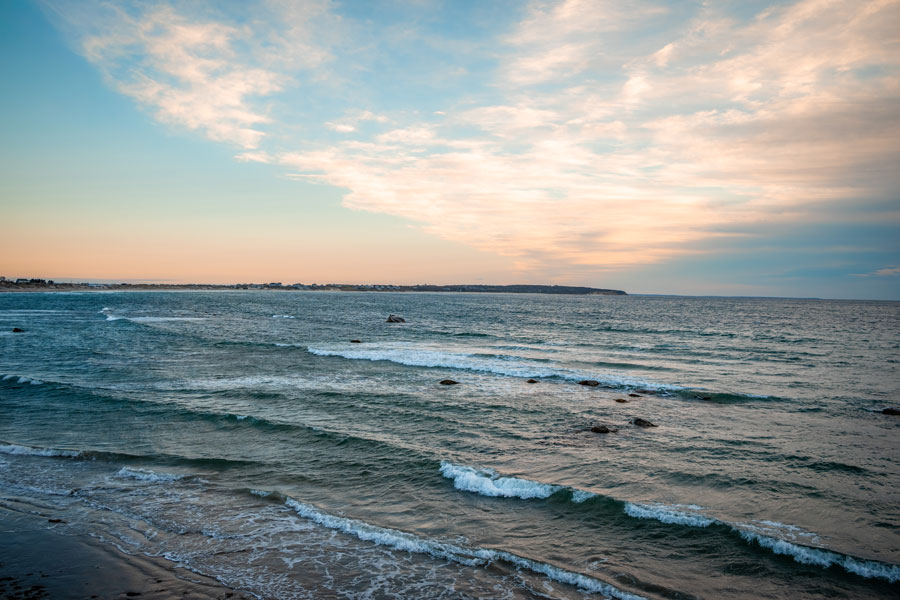
Block Island Sound is a major body of water off the East End of Long Island, linking eastern Long Island waters with Block Island, Rhode Island, and the open Atlantic Ocean. It is an important maritime corridor for boating, fishing, ferries, recreation, and commercial navigation, and it plays a major role in the coastal identity of eastern Long Island communities such as Montauk, Greenport, and the North Fork.
Known for its open water, strong currents, productive fishing grounds, and broad coastal views, Block Island Sound is one of the best-known marine regions surrounding Long Island. For boaters and travelers, it also serves as a key gateway between New York waters and southern New England.
Where Is Block Island Sound?
Block Island Sound lies off eastern Long Island, south of mainland Rhode Island, west of Block Island, and near Fishers Island and Montauk Point. It forms part of the busy transition zone between protected inland waters and the more exposed Atlantic.
The sound is connected to several important waterways, including Long Island Sound, Gardiners Bay, and the Atlantic Ocean. Passages and service details on these waters can vary by conditions and route, so mariners typically check charts, forecasts, and local guidance before traveling.
Connection to Long Island
Block Island Sound is closely tied to eastern Long Island’s maritime culture and economy. Fishing boats, charter vessels, ferries, sailboats, yachts, and recreational boaters regularly travel through the sound, especially during the warmer months.
The waters off Montauk and the eastern forks of Long Island are particularly well known for offshore fishing opportunities, including striped bass, bluefish, tuna, fluke, and other species associated with northeastern Atlantic waters. Many travelers moving between Long Island and New England also pass through or alongside Block Island Sound by ferry or private vessel.
Fishing and Marine Life
Block Island Sound is widely regarded as one of the Northeast’s notable fishing grounds. Its combination of currents, underwater structure, changing depths, and Atlantic influence helps create productive marine habitat.
Common species found in or around the sound include:
- Striped bass
- Bluefish
- Fluke (summer flounder)
- Black sea bass
- Scup
- Tuna species
- American lobster
The broader sound and nearby offshore waters also support whales, dolphins, seals, seabirds, and migratory marine species. Fishing rules, seasons, licensing requirements, and catch limits may change, so anglers should check current regulations before heading out.
Boating and Navigation
The sound is heavily traveled by recreational and commercial vessels, particularly from late spring through early fall. Boaters traveling between New York, Connecticut, Rhode Island, Cape Cod, and other New England destinations often use Block Island Sound as a primary route.
Weather and sea conditions can change quickly here, especially around storms, tidal exchanges, and shifting wind patterns. Mariners typically monitor wind, tide, visibility, and wave forecasts carefully before crossing the area.
Ferries and Transportation
Several ferry routes operate on or around Block Island Sound, helping connect Long Island with Connecticut, Rhode Island, Block Island, and Fishers Island.
Regional ferry services near the sound include:
- Cross Sound Ferry
- New London–Orient Point ferry route
- Block Island ferry routes
- Fishers Island ferry services
These routes help transport residents, visitors, vehicles, and goods throughout the coastal Northeast. Schedules, seasonal service, and vehicle policies may change, so it is smart to check ahead before traveling.
Weather and Water Conditions
Compared with the calmer waters found farther west inside Long Island Sound, Block Island Sound often sees rougher seas and stronger Atlantic influence. Winds, tides, offshore weather systems, and fog can all create challenging conditions, especially during seasonal temperature changes between ocean air and land.
Historic Maritime Importance
For centuries, Block Island Sound has been an important navigation route for commercial shipping, fishing fleets, military vessels, and coastal trade.
The waters around eastern Long Island and southern New England were heavily traveled during the colonial era, the Revolutionary War, the whaling era, and the rise of modern shipping and tourism.
Historic lighthouses around the region still help define the maritime landscape and continue to serve as well-known coastal landmarks.
Experiencing Block Island Sound from Long Island
Many visitors experience Block Island Sound from ferry decks, waterfront parks, charter docks, scenic overlooks, beaches, and marinas on the East End. Montauk, Orient Point, Greenport, and nearby harbor communities offer some of the best starting points for sightseeing, charter fishing, sailing, and open-water views. Access, launch conditions, and seasonal operations can vary, so check ahead before making plans.
Block Island Sound
Key Facts and Details
| Feature | Details |
|---|---|
| Name | Block Island Sound |
| Type | Marine sound / coastal body of water |
| Location | Off eastern Long Island, between Long Island waters, Block Island, and Rhode Island |
| Connected Waterways | Long Island Sound, Gardiners Bay, Atlantic Ocean |
| Nearby Areas | Montauk, Orient Point, Fishers Island, Block Island |
| Known For | Fishing, boating, ferry travel, and maritime navigation |
| Water Conditions | Often features strong currents, changing weather, fog, and rougher open-water seas |
| Regional Importance | Major Northeast boating, fishing, and transportation corridor |
Block Island Sound is one of the defining waterways of the northeastern United States and an essential part of eastern Long Island’s coastal identity. From fishing fleets and ferry routes to scenic boating and offshore recreation, the sound continues to shape life along the eastern edge of Long Island while linking New York waters with the broader New England coastline.
Are you ready for fall on Long Island? Check out these local seasonal guides:
🍎 Apple Picking | 🍂 Fall Festivals & Farm Activities | 👻 Haunted Houses | 🎃 Pumpkin Picking