
Rockaway Peninsula
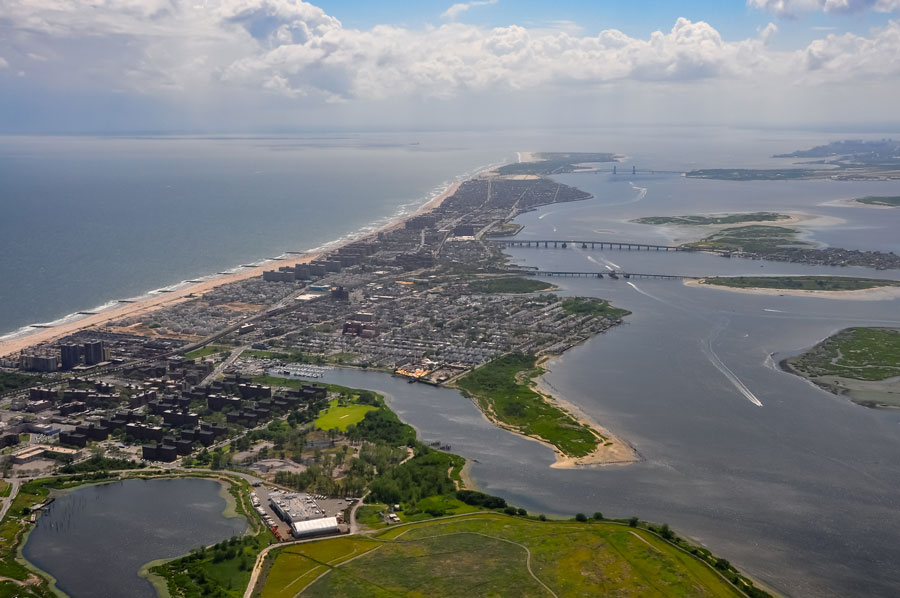
The Rockaway Peninsula is a distinctive oceanfront region where New York City’s urban energy meets the relaxed feel of a classic South Shore beach community. Known for its broad Atlantic beaches, long boardwalk, surfing culture, waterfront neighborhoods, and scenic coastline, the Rockaways remain one of the most recognizable seaside destinations connected to the greater Long Island region.
Where Is the Rockaway Peninsula?
The Rockaway Peninsula is a narrow barrier peninsula in the borough of Queens in New York State. It stretches east to west along the Atlantic shoreline and separates the Atlantic Ocean from Jamaica Bay. Although it is politically part of New York City, the peninsula shares many geographic and cultural similarities with the South Shore communities of Long Island.
The eastern end meets the Nassau County line near communities such as Atlantic Beach, Lawrence, and Inwood, while the western side extends toward Breezy Point, Fort Tilden, and the entrance to New York Harbor. Its setting has long made it a popular destination for beachgoers, surfers, anglers, cyclists, and residents drawn to waterfront living close to New York City.
Communities of the Rockaways
The Rockaway Peninsula includes a number of neighborhoods and waterfront communities, each with its own identity. Some are known for busy summer beach activity and boardwalk access, while others are quieter residential enclaves with strong local traditions. Among the best-known communities and neighborhoods are:
- Far Rockaway – The eastern gateway to the peninsula and a major transit center with subway, rail, and bus connections.
- Rockaway Beach – One of the best-known oceanfront sections, famous for surfing, boardwalk activity, and public beach access.
- Rockaway Park – A well-known residential and commercial area near the beach and boardwalk.
- Arverne – A neighborhood with a mix of homes, newer development, and shoreline access.
- Belle Harbor – A primarily residential waterfront neighborhood with a strong local community identity.
- Neponsit – Known for quiet streets and large beachfront homes.
- Breezy Point – A more secluded community near the western tip of the peninsula, with much of the area residential in character.
- Edgemere – An oceanfront neighborhood that has seen ongoing reinvestment and redevelopment.
Beaches and Outdoor Recreation
The Rockaway Peninsula is best known for its expansive Atlantic Ocean beaches, which draw large crowds during the warmer months. Rockaway Beach is one of New York City’s most popular public beaches and is especially well known for surfing, with designated surfing areas that have helped shape the peninsula’s coastal identity.
The oceanfront boardwalk stretches for miles and serves as a major gathering place for walking, biking, jogging, dining, and ocean views. Concessions, comfort stations, lifeguard coverage, and beach operations can vary by season, so it is smart to check current conditions and access details before visiting.
The peninsula is also home to several important parklands and recreation areas, including:
- Jacob Riis Park – A historic beachfront park known for its art deco bathhouse, wide beach, and role within Gateway National Recreation Area.
- Fort Tilden – A former military installation now used for recreation, trails, dune landscapes, and nature exploration.
- Gateway National Recreation Area – A federally protected park system spanning portions of New York Harbor, Jamaica Bay, and the Rockaways.
- Jamaica Bay habitats – Important ecological areas for migratory birds, shoreline species, and coastal marshland scenery.
Surfing Culture and Coastal Lifestyle
The Rockaways have developed a strong surfing identity that sets the area apart from many other beaches in the New York metropolitan region. Surfers from across Long Island, New York City, and neighboring states travel to the peninsula to take advantage of Atlantic swells and designated surf beaches.
Over the years, the area has also become known for its relaxed coastal culture, beach cafés, seafood spots, boardwalk food stands, waterfront hangouts, and seasonal tourism. During summer, the peninsula often takes on a resort-like atmosphere while still remaining unmistakably part of New York City.
Transportation and Accessibility
The Rockaway Peninsula is accessible through several transportation routes connecting it to both New York City and Long Island. The New York City Subway’s A train serves multiple Rockaway stations, and the Far Rockaway area also connects to the Long Island Rail Road and local bus service. NYC Ferry’s Rockaway route provides another popular option for reaching the area from Brooklyn and Manhattan, though schedules and service details can change.
Drivers can reach the peninsula by way of the Marine Parkway-Gil Hodges Memorial Bridge and the Cross Bay Veterans Memorial Bridge. Visitors coming from Nassau County can also approach from the county line near Far Rockaway and Atlantic Beach, making the eastern Rockaways especially accessible from nearby South Shore communities.
Relationship to Long Island
Although the Rockaway Peninsula is part of Queens and New York City, it maintains a close relationship with the South Shore of Long Island both geographically and culturally. The peninsula sits directly beside Nassau County, and many Long Islanders regularly visit the Rockaways for surfing, fishing, beaches, and recreation.
The coastal environment of the Rockaways closely resembles nearby South Shore destinations such as Long Beach, Jones Beach State Park, and Atlantic Beach. Shared oceanfront geography, boating culture, fishing traditions, and waterfront lifestyles create a strong connection between these regions.
Hurricane Sandy and Coastal Resiliency
The Rockaway Peninsula received national attention following the devastating impact of Hurricane Sandy in 2012. Severe flooding, storm surge, beach erosion, and structural damage affected many neighborhoods throughout the peninsula and surrounding coastal communities.
In the years since the storm, major efforts have focused on coastal resiliency, dune restoration, infrastructure upgrades, and the modernization of public spaces. Those recovery and planning efforts reshaped parts of the peninsula and underscored the continuing importance of shoreline protection and storm preparedness across the New York region.
Visiting the Rockaway Peninsula
Today, the Rockaway Peninsula continues to serve as both a year-round residential region and a major seasonal destination for beach tourism and recreation. Visitors come for ocean beaches, surfing, waterfront dining, biking, fishing, nature walks, and wide-open coastal views, all within reach of both New York City and Long Island.
Whether arriving by subway, ferry, bicycle, rail, or car, travelers will find a distinctive blend of urban accessibility and laid-back beach culture. Public beach access is concentrated in city and National Park Service areas such as Rockaway Beach, Jacob Riis Park, and Fort Tilden, while some western sections are primarily residential. Because beach rules, surf designations, weather, parking, and transit service can all change, it is best to check ahead before making the trip.
Rockaway Peninsula
Key Facts & Details
| Location | Southern Queens, New York City |
|---|---|
| Region | Barrier peninsula along the Atlantic coast |
| Western Boundary | Breezy Point area and Rockaway Inlet |
| Eastern Boundary | Far Rockaway at the Nassau County line |
| Body of Water | Atlantic Ocean and Jamaica Bay |
| Known For | Beaches, surfing, boardwalk, waterfront neighborhoods, and coastal recreation |
| Popular Communities | Rockaway Beach, Far Rockaway, Rockaway Park, Arverne, Belle Harbor, Breezy Point, Neponsit, Edgemere |
| Major Attractions | Rockaway Beach and Boardwalk, Jacob Riis Park, Fort Tilden, Gateway National Recreation Area |
| Transportation | A train, Long Island Rail Road, NYC Ferry, Cross Bay Veterans Memorial Bridge, Marine Parkway-Gil Hodges Memorial Bridge |
| Nearby Long Island Areas | Long Beach, Atlantic Beach, Inwood, Lawrence |
The Rockaway Peninsula occupies a unique place in the coastal geography of the New York region, combining the energy of New York City with the atmosphere of a classic Atlantic beach community. From surfing and recreation to waterfront living and natural scenery, the Rockaways continue to play an important role in the broader story of Long Island’s South Shore and the surrounding metropolitan coastline.
{ “@context”: “https://schema.org”, “@type”: “TouristDestination”, “name”: “Rockaway Peninsula”, “description”: “The Rockaway Peninsula is a coastal barrier peninsula in Queens, New York City, known for beaches, surfing, waterfront communities, and Atlantic Ocean recreation.”, “url”: “https://www.longislandguide.com/visit/rockaway-peninsula/”, “touristType”: [ “Beachgoers”, “Surfers”, “Families”, “Outdoor Enthusiasts”, “Sightseers” ], “geo”: { “@type”: “GeoCoordinates”, “latitude”: “40.5795”, “longitude”: “-73.8371” }, “containedInPlace”: { “@type”: “State”, “name”: “New York” } }Are you ready for fall on Long Island? Check out these local seasonal guides:
🍎 Apple Picking | 🍂 Fall Festivals & Farm Activities | 👻 Haunted Houses | 🎃 Pumpkin Picking