
Rockaway Beach
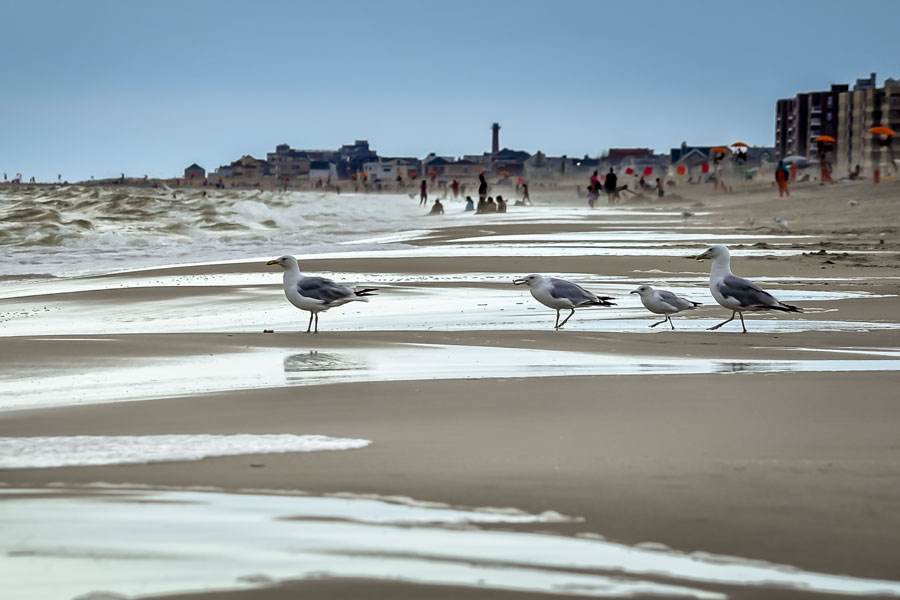
Rockaway Beach, on the Rockaway Peninsula in Queens, is one of New York City’s most distinctive oceanfront destinations. Its broad public shoreline, celebrated surfing culture, neighborhood restaurants, and miles of boardwalk offer a coastal experience that feels unusually far removed from the city’s dense streets. Facing the Atlantic Ocean and accessible from both Long Island and the other boroughs, Rockaway Beach welcomes day-trippers while remaining home to a year-round community.
The name describes both a neighborhood and the larger public beach experience. NYC Parks manages Rockaway Beach and Boardwalk across a much longer stretch of the peninsula, from Beach 3rd Street toward Beach 153rd Street. That citywide recreation area crosses several neighborhoods; it should not be confused with the narrower residential and commercial neighborhood called Rockaway Beach. Understanding the distinction helps visitors choose the right beach block, subway station, or gathering place.
Where Rockaway Beach Is Located
The Rockaways form a narrow barrier peninsula on the southern edge of Queens, with ocean surf on one side and Jamaica Bay on the other. The Rockaway Beach neighborhood sits near Arverne and Hammels to the east and Rockaway Park to the west. Farther along the peninsula are Belle Harbor, Neponsit, Breezy Point, Edgemere, and Far Rockaway, each with its own character. Although geographically connected to the broader island, the Rockaways belong administratively to New York City rather than Nassau County.
Rockaway Beach Boulevard and Beach Channel Drive are important local travel corridors, while the boardwalk and Shore Front Parkway run closer to the ocean. Streets are numbered by beach blocks, so a meeting point at Beach 67th Street can be a considerable distance from a destination near Beach 116th Street. Visitors arriving by subway or ferry should decide which section of beach they want to reach before starting their trip. The surrounding South Shore landscape shares the same sandy barrier-coast geography found farther east in Nassau and Suffolk counties.
From Seaside Resort to Year-Round Neighborhood
Rockaway Beach developed as a seaside escape during the nineteenth century, when railroads, ferries, hotels, and recreation businesses drew city residents toward the Atlantic shore. Its popularity grew as improved transportation made a beach outing practical for more New Yorkers. The peninsula’s hotels, bathhouses, amusement attractions, and seasonal cottages gave the Rockaways a resort identity long before the area became widely known for modern surf shops and boardwalk food stands.
The twentieth century brought significant changes. Summer resorts and amusement areas gradually gave way to a more varied urban coastline, with permanent housing, neighborhood shopping streets, public recreation facilities, and residential apartment buildings. Some blocks retained the scale of older seaside cottages, while others gained larger buildings and new development. This combination of architectural periods helps explain why the area feels both like a beach resort and a working city neighborhood.
For generations, Rockaway Beach has also been a place where different communities gathered for affordable recreation. Public transit connections, the oceanfront, and local businesses gave the beach an identity distinct from the private clubs and resident-permit beaches elsewhere on Long Island. Today, its appeal rests partly on that openness: visitors can experience a major Atlantic beach without needing to belong to a beach club.
Rockaway Beach and Boardwalk
The oceanfront boardwalk is the central public space of the Rockaways. Extending for roughly five and a half miles across the larger beachfront, it connects residential blocks, playgrounds, concessions, public access points, and stretches of open sand. Walkers and joggers use the promenade for ocean views, while cyclists follow the applicable posted rules and share space with other users. The experience changes by block: some sections are busy with restaurants and beach crowds, while others are more residential and quiet.
The boardwalk is particularly inviting outside peak swimming hours, when the sand is less crowded and the coastline can be appreciated at a slower pace. Morning light, changing cloud formations, and the sound of Atlantic waves make it a popular setting for walking and coastal photography. Readers looking for other scenic locations can explore our guide to places to take pictures on Long Island.
Near Beach 94th Street, the public plaza and adjacent streets provide a recognizable neighborhood meeting point. The Beach 90s are especially convenient for visitors interested in the mix of surfing, food, and boardwalk activity. Beach 116th Street, farther west, is another established commercial corridor with restaurants and shops, although it belongs to the broader Rockaway Park area rather than the Rockaway Beach neighborhood in the narrowest sense.
Swimming and Seasonal Beach Rules
Rockaway Beach is a public beach, but swimming is not permitted at every location or at all times. Lifeguard supervision is generally provided during the city’s official summer beach season, and visitors must swim only where lifeguards are on duty. Dangerous rip currents, high surf, storm conditions, erosion, or operational needs can cause temporary closures. Check the day’s beach conditions rather than assuming a section is safe because other people are near the water. Our guide to when beaches are open and closed explains the broader seasonal distinction between beach access and swimming access.
The shoreline is open for many non-swimming activities outside summer, but the full range of amenities is not available year-round. Concession stands, staffed facilities, and recreational programs are often concentrated in the warmer months. Public restrooms and access ramps exist at selected locations, with their availability varying by section and season. Visitors who need accessible routes should check the specific entrance and facility before traveling.
Ocean waves here can be powerful even on clear days. The safest beach visit includes attention to flags, lifeguard directions, weather forecasts, and posted restrictions. Families with children should identify the nearest staffed swimming area before settling on the sand, rather than choosing a quiet-looking stretch that may be reserved for surfing or closed to swimming.
Surfing and the Rockaway Beach Culture
Rockaway Beach is among the most recognizable surfing destinations in the city. NYC Parks identifies designated surfing areas near Beach 67th to Beach 69th Streets and Beach 87th to Beach 92nd Streets, subject to current rules and conditions. The precise boundaries and any temporary restrictions should always be checked on site. The combination of Atlantic swells, accessible public transportation, surf schools, and nearby shops has helped create a distinctive surfing community. For a broader coastal comparison, see which Long Island beaches have surfing.
Surfing and swimming are separate uses of the shoreline. Designated surf areas are not automatically appropriate places for general bathing, and surfers must follow applicable safety rules. Beginners often seek instruction rather than entering unfamiliar surf alone, particularly when wave conditions are challenging. Visitors can also enjoy the surf culture from land by watching the waves, browsing neighborhood shops, or spending time at the beachside gathering spots.
Restaurants, Boardwalk Food and Local Businesses
Food is part of the Rockaway Beach experience, especially on warm weekends. The surrounding streets contain casual cafés, takeaway counters, restaurants, small shops, and places to stop after a day in the surf. The boardwalk concession scene adds to the neighborhood’s summertime atmosphere, but specific vendors and operating hours change. A restaurant that is busy in July may keep a limited schedule or close for part of the winter.
Rippers is a familiar name associated with casual food beside the boardwalk. Tacoway Beach is another recognizable local stop connected with the neighborhood’s surfing and dining culture. The Rockaway Beach Surf Club has served as a gathering place associated with art, food, and beach life. These names illustrate the character of the area rather than a promise that every establishment will be open on a particular date. Check current operations before making one business the focus of a trip.
The Rockaways also have a bayfront dining scene beyond the oceanfront blocks. Restaurants along Beach Channel Drive and elsewhere on the peninsula can offer a different view of the neighborhood, particularly around sunset. A day trip can therefore combine Atlantic surf in the afternoon with a quieter look across Jamaica Bay later in the day.
Parks, Wildlife and Nearby Coastal Attractions
Although Rockaway Beach is primarily known for sand and surfing, the surrounding peninsula has important natural and historic places. Jamaica Bay is a large tidal estuary containing salt marshes, shallow channels, and bird habitat. The western end of the peninsula approaches Rockaway Inlet, where ocean water enters the bay. The larger coastal system is an important stopover for migratory birds and a valuable setting for birdwatching, although visitors should use appropriate public viewing areas and avoid disturbing wildlife.
West of the main city beach, Jacob Riis Park and Fort Tilden are part of Gateway National Recreation Area. Jacob Riis Park is associated with its broad oceanfront and historic bathhouse, while Fort Tilden combines former military structures, dunes, and recreation areas. These are separate destinations from the NYC Parks-managed Rockaway Beach and Boardwalk, with their own access rules and facility arrangements.
Visitors who want to compare other oceanfront settings can explore Coney Island in Brooklyn or the public beaches farther east, including Long Beach, Atlantic Beach, and Jones Beach State Park. Each offers a different balance of boardwalks, beach facilities, neighborhood businesses, and access rules. For a larger selection, consult the Long Island beach guide.
Hurricane Sandy and Coastal Protection
Hurricane Sandy struck the region in October 2012 and caused extensive flooding, beach erosion, and destruction along the Rockaway Peninsula. The storm severely damaged large sections of the old boardwalk and exposed the vulnerability of homes, streets, and infrastructure on a narrow barrier coast. For residents, recovery meant much more than reopening the beach: it also involved rebuilding homes, businesses, public services, and neighborhood connections.
The boardwalk was subsequently rebuilt with a more resilient design, and public agencies carried out beach replenishment, dune work, and other coastal protection projects. The rebuilt promenade is now both a recreational landmark and a visible reminder of the peninsula’s ongoing adaptation to storm risk. Sand levels, dune crossings, and public access may still change after major weather events or construction work.
Coastal management remains an important part of Rockaway Beach’s future. Dunes and planted beach vegetation help reduce erosion and provide habitat, while the densely settled streets behind the beach require careful planning for flooding and evacuation. Visitors should stay off protected dunes, use marked access points, and follow temporary construction or storm-related closures.
Getting to Rockaway Beach by Subway, Ferry and Car
The Metropolitan Transportation Authority operates subway service to the Rockaways. The A train and Rockaway Park Shuttle provide connections to stations serving the beachfront, including Beach 90th Street and Beach 98th Street, with routes and transfer patterns depending on the time and service plan. A station that is convenient for one beach block may be less useful for another. Travelers should confirm the current route, any planned weekend work, and the walk from the station to their chosen access point.
NYC Ferry’s Rockaway service offers a scenic alternative to the subway, with a landing on the bay side near Beach 108th Street. The route has served connections with lower Manhattan and the Brooklyn Army Terminal area, but schedules, fares, and stop patterns can change. From the ferry landing, visitors continue on foot or by available local transportation toward the oceanfront. Ferry passengers should leave enough time for the return trip, particularly on busy summer weekends.
Drivers generally reach the peninsula via the Cross Bay Veterans Memorial Bridge from Queens or the Marine Parkway-Gil Hodges Memorial Bridge from Brooklyn. Approaches from western Nassau County are also possible through Far Rockaway. Parking is mainly on public streets and in available facilities rather than one enormous centralized Rockaway Beach parking field. Summer weekends, beach events, and bridge traffic can make driving and finding a space substantially slower than expected.
The eastern peninsula also has connections to the broader transit network, including the Long Island Rail Road in Far Rockaway, although the LIRR station is not at the central Rockaway Beach boardwalk. Travelers arriving from Nassau County should compare routes rather than assume a direct train connection to their preferred beach block. Buses, walking, and cycling can help complete a trip, subject to current service and roadway conditions.
Neighborhood Life Beyond the Summer
Rockaway Beach is not simply a resort that empties after Labor Day. It has permanent residents, schools, neighborhood institutions, local businesses, and housing that ranges from older cottages and attached homes to apartments and newer developments. The winter oceanfront can be quiet, but daily life continues behind the boardwalk. That year-round community is central to the area’s identity and to its recovery from major storms.
The neighborhood’s character is also shaped by the contrast between lively public recreation and ordinary residential streets. Visitors should respect private entrances, avoid blocking driveways, and remember that many people live close to the beach access points. Keeping the shoreline clean and supporting local businesses are simple ways to make a day trip more considerate of the surrounding community.
Planning a Day at Rockaway Beach
For a first visit, choosing a specific beach street is more useful than entering only “Rockaway Beach” into a navigation app. Visitors interested in surfing may prefer the designated surf corridors, while families planning to swim should prioritize an actively lifeguarded section. People seeking food and boardwalk activity may enjoy the Beach 90s, whereas a longer walk can reveal quieter parts of the shoreline. The best time to arrive depends on whether the goal is swimming, dining, photography, or simply enjoying the sea air.
The most comfortable outing usually involves checking the weather, surf conditions, lifeguard status, transit schedule, and nearby food options before departure. Bringing drinking water, sun protection, and a plan for the return trip is especially important during summer. Visitors interested in other coastal pursuits can also consult the site’s fishing guide and boating information, while remembering that not every stretch of Rockaway Beach is designated for those activities.
Rockaway Beach and Boardwalk, Queens
Key Facts & Details
| Detail | Information |
|---|---|
| Destination | Rockaway Beach and Boardwalk on the Rockaway Peninsula |
| Location | Queens, New York City, New York State |
| Coastal Region | Atlantic Ocean shoreline on the western Long Island barrier coast |
| Managing Agency | NYC Parks (public beach and boardwalk) |
| Beachfront Extent | NYC Parks identifies the larger Rockaway Beach and Boardwalk area from Beach 3rd Street to Beach 153rd Street |
| Boardwalk | Approximately 5.5 miles across the broader beachfront; substantially rebuilt after Hurricane Sandy |
| Known For | Surfing, public ocean swimming, boardwalk recreation, restaurants, and beach culture |
| Designated Surf Areas | Generally near Beach 67th–69th Streets and Beach 87th–92nd Streets; follow current NYC Parks rules |
| Swimming | Only in open, lifeguard-supervised areas during permitted hours; see seasonal beach access guidance |
| Nearby Neighborhoods | Arverne, Hammels, Rockaway Park, Far Rockaway, Belle Harbor, and Breezy Point on the Rockaway Peninsula |
| Public Transportation | MTA A train and Rockaway Park Shuttle; NYC Ferry Rockaway route; local bus connections |
| Other Rail Service | Long Island Rail Road at Far Rockaway, requiring onward travel to central Rockaway Beach |
| Road Access | Cross Bay Veterans Memorial Bridge, Marine Parkway-Gil Hodges Memorial Bridge, and approaches from Nassau County |
| Nearby Parklands | Jacob Riis Park, Fort Tilden, Gateway National Recreation Area, and Jamaica Bay wildlife areas |
| Nearby Coastal Destinations | Coney Island, Long Beach, Atlantic Beach, and Jones Beach State Park |
| Natural Features | Atlantic Ocean, Jamaica Bay, dunes, and nearby Rockaway Inlet |
| Photography & Nature | Coastal photography and birdwatching in appropriate public areas |
| Season | Beachfront visits year-round; swimming, lifeguards, and many concessions are seasonal |
| ZIP Codes | Multiple ZIP codes across the broader Rockaway beachfront; 11693 covers much of the central Rockaway Beach area |
Rockaway Beach remains one of the most memorable places where New York City meets the Atlantic Ocean. Its public shoreline, surf traditions, rebuilt boardwalk, and year-round neighborhood life offer a combination that is difficult to find elsewhere in the region. Whether the plan is a summer swim, a walk beside the waves, or a longer exploration of the Rockaway Peninsula, choosing the right beach block and checking current conditions will make the experience more rewarding.
Explore seasonal activities on Long Island:
🍎 Apple Picking | 🍂 Fall Festivals | 🦃 Thanksgiving Dinner & Activities | 🎄 Holiday Lights & Christmas