
Hempstead Harbor
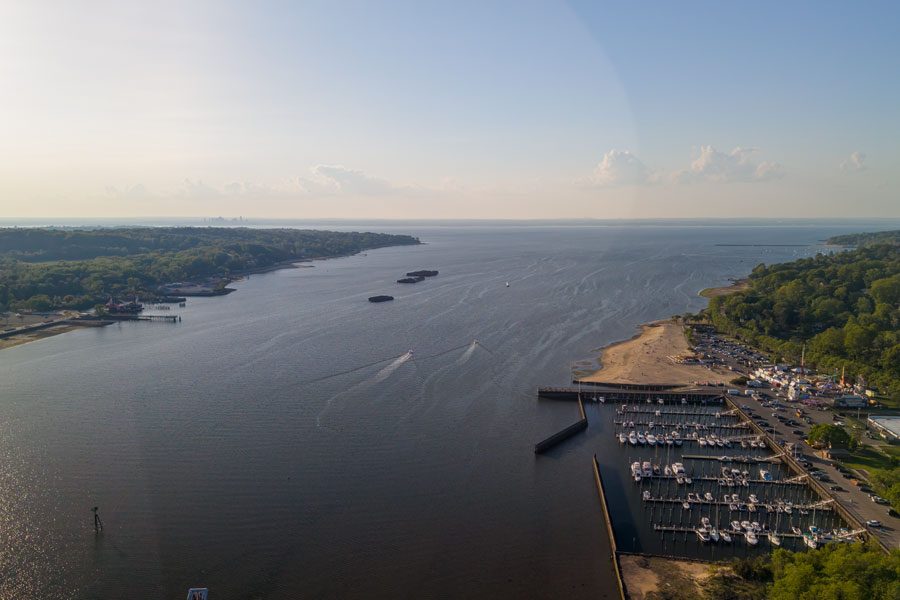
Hempstead Harbor is a scenic tidal estuary located along the North Shore of Long Island, stretching between portions of Nassau County communities including Port Washington, Sands Point, Sea Cliff, Glen Cove, Roslyn Harbor, and Flower Hill. Opening into Long Island Sound, the harbor has long played an important role in Long Island’s maritime history, recreation, ecology, and waterfront culture.
Today, Hempstead Harbor is known for its marinas, boating activity, waterfront parks, fishing opportunities, environmental restoration efforts, and picturesque shoreline views. The harbor remains one of the most recognizable natural waterfront features on Nassau County’s North Shore.
Location and Geography
Hempstead Harbor extends inland from Long Island Sound and forms a natural harbor between the Great Neck Peninsula to the west and the Glen Cove and Sea Cliff areas to the east. The harbor serves as an important geographic feature for numerous North Shore communities and has historically supported maritime transportation, fishing, and commercial activity.
The harbor is bordered by several notable communities and destinations including Glen Cove, Sea Cliff, Port Washington, and nearby portions of the Gold Coast region of Long Island.
Several inlets, wetlands, beaches, and shoreline preserves surround the harbor, helping create important coastal habitat for marine life and migratory birds.
Maritime History
Hempstead Harbor played an important role in Long Island’s maritime economy during the 19th and early 20th centuries. The harbor supported commercial shipping, oyster harvesting, shipbuilding, and industrial operations tied to the region’s waterfront economy.
Communities along the harbor developed around the water, with docks, mills, warehouses, and marine transportation helping fuel local growth. Glen Cove in particular became an important industrial and shipping center during parts of the harbor’s commercial history.
As Long Island evolved into a suburban region, many industrial uses gradually gave way to recreational boating, waterfront residential development, environmental conservation, and tourism-related activity.
Boating and Recreation
Today, Hempstead Harbor is heavily associated with boating and waterfront recreation. Numerous marinas, yacht clubs, docks, and waterfront parks line portions of the shoreline.
Popular recreational activities include:
- Boating and sailing
- Kayaking and paddleboarding
- Fishing
- Wildlife observation
- Waterfront photography
- Birdwatching
- Walking and shoreline recreation
The harbor’s calmer inland waters and access to Long Island Sound make it attractive to both recreational boaters and sailing enthusiasts throughout the warmer months.
Environmental Importance
Hempstead Harbor is considered an ecologically important estuary supporting marine ecosystems, shellfish habitats, wetlands, and migratory bird populations. Environmental groups and local municipalities have spent years working on water quality improvements and habitat restoration projects throughout the harbor.
Conservation organizations and local governments continue monitoring pollution reduction, stormwater runoff, shoreline preservation, and ecological restoration efforts designed to protect the harbor’s long-term environmental health.
The harbor also serves as an educational and scientific resource for studying coastal ecosystems along Long Island Sound.
Parks and Waterfront Access
Several waterfront parks and public access areas provide views and recreational access to Hempstead Harbor. Nearby parks and shoreline areas may include beaches, fishing piers, walking trails, boat launches, and scenic overlooks.
Visitors exploring the harbor area often enjoy:
- Scenic waterfront drives
- Sunset views over Long Island Sound
- Harborfront dining in nearby communities
- Seasonal boating events
- Photography opportunities
- Nature observation
Many North Shore communities surrounding the harbor maintain a strong connection to the water and continue celebrating their maritime heritage through local events and waterfront development.
Hempstead Harbor and the Gold Coast
The harbor sits within a region historically associated with Long Island’s famed Gold Coast era, when wealthy industrialists and prominent families built large estates along the North Shore during the late 19th and early 20th centuries.
Some portions of the shoreline near Hempstead Harbor still feature historic mansions, estate properties, and affluent waterfront neighborhoods that reflect this era of Long Island history.
Fishing and Marine Life
Fishing remains a popular activity in and around Hempstead Harbor. Depending on seasonal conditions and regulations, anglers may encounter species associated with Long Island Sound waters, including striped bass, bluefish, fluke, blackfish, and other marine species.
The harbor’s tidal waters and protected shoreline habitat also support marine wildlife, shellfish populations, waterfowl, and coastal bird species.
Visiting Hempstead Harbor
Visitors exploring Long Island’s North Shore often encounter Hempstead Harbor while traveling through nearby waterfront communities such as Glen Cove, Sea Cliff, Port Washington, and Roslyn Harbor.
The harbor offers a combination of natural beauty, maritime heritage, recreational boating culture, and scenic waterfront landscapes that help define the character of Nassau County’s North Shore.
Vicinity of the Harbor
Key Facts and Details
| Feature | Details |
|---|---|
| Name | Hempstead Harbor |
| Location | North Shore of Long Island, Nassau County, New York |
| Water Body | Estuary connected to Long Island Sound |
| Nearby Communities | Glen Cove, Sea Cliff, Port Washington, Roslyn Harbor, Sands Point |
| Primary Uses | Boating, recreation, fishing, marinas, waterfront access |
| Notable Features | Maritime history, North Shore scenery, ecological habitat, waterfront parks |
| Region | Long Island Gold Coast / North Shore |
| Popular Activities | Sailing, kayaking, fishing, photography, sightseeing |
From its sheltered waters and working maritime past to its modern marinas, parks, wildlife habitat, and shoreline communities, Hempstead Harbor remains one of the defining waterways of Long Island’s North Shore. Visitors can experience the harbor from many different perspectives, whether boating on the water, fishing from the shoreline, walking through nearby parks, or simply taking in the views from communities such as Glen Cove and Sea Cliff. Its combination of natural scenery, recreation, history, and ecological importance continues to make Hempstead Harbor an important part of Nassau County’s coastal landscape.
Are you ready for fall on Long Island? Check out these local seasonal guides:
🍎 Apple Picking | 🍂 Fall Festivals & Farm Activities | 👻 Haunted Houses | 🎃 Pumpkin Picking