
How many lighthouses are on Long Island?
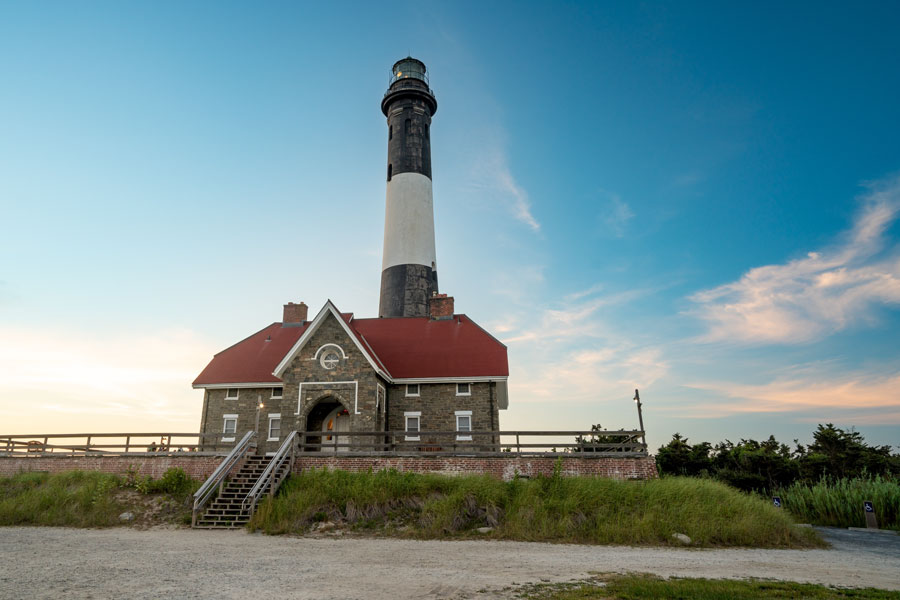
Long Island has approximately 20 standing lighthouses and lighthouse structures when counting the historic and modern lights located in Nassau and Suffolk counties and on their nearby offshore islands. The total is sometimes described as “more than 20” because different sources may also include former lighthouse stations, destroyed towers, private beacon towers, and offshore lights near the boundaries of Long Island Sound.
In Short
There are about 20 existing lighthouses and lighthouse structures associated with Long Island. They extend from the western waters near the Great Neck Peninsula to Montauk, the East End, the North Shore, and South Shore. Some remain active aids to navigation, several have become museums or historic attractions, and others can only be viewed from shore or reached by boat.
Why the Lighthouse Count Varies
There is no single count that every historian and lighthouse organization uses. Some lists count only traditional lighthouse buildings that remain standing. Others include modern replacement lights, privately constructed towers, relocated lighthouse structures, offshore lights near Long Island Sound, and historic stations whose original towers have disappeared.
Using a practical definition that includes recognizable standing lighthouse structures and established lighthouse sites in Nassau and Suffolk counties produces a total of approximately 20. The National Park Service similarly states that Long Island has more than 20 lighthouses of different styles and sizes. The broader history includes additional stations that were replaced, relocated, destroyed, or reduced to foundations and modern navigational towers.
Why Long Island Has So Many Lighthouses
Long Island occupies a strategic position between the Atlantic Ocean, Long Island Sound, the approaches to New York Harbor, and numerous bays, harbors, inlets, reefs, and narrow channels. Ships approaching New York City, coastal cargo vessels, fishing boats, ferries, and recreational boaters have traveled these waters for centuries.
Lighthouses were placed where mariners needed warnings or guidance, including dangerous shoals near Sands Point, harbor entrances around Huntington and Port Jefferson Harbor, the narrow waters around Plum Island and Orient Point, and the exposed Atlantic coastline near Montauk and Fire Island National Seashore.
The Oldest Lighthouse on Long Island
The oldest lighthouse on Long Island is Montauk Point Lighthouse. President George Washington authorized its construction in 1792, and the light entered service in 1797. It is the oldest lighthouse in New York State and remains an active navigational aid at the easternmost end of the Hamptons.
Another exceptionally early lighthouse is Eatons Neck Lighthouse, first illuminated in 1799. It stands on the North Shore near Asharoken, Northport, and the entrance to Northport Bay. Together, Montauk Point and Eatons Neck reflect the importance of Long Island’s waters during the earliest years of the federal lighthouse system.
The Tallest Lighthouse on Long Island
Fire Island Lighthouse is the tallest lighthouse on Long Island and the tallest lighthouse in New York State. The present tower was completed in 1858 and rises 168 feet. It stands near Robert Moses State Park at the western end of Fire Island, where it historically helped Atlantic vessels identify the entrance toward New York Harbor.
Can You Visit Long Island’s Lighthouses?
Yes, but public access varies widely. Montauk Point Lighthouse, Fire Island Lighthouse, and Horton Point Lighthouse are among the better-known sites with public visitor access. Other Long Island lighthouses are offshore, privately owned, located at restricted facilities, or best viewed from parks, beaches, ferries, trails, sightseeing cruises, or the water.
Access, museum hours, tower tours, ferry schedules, and boat excursions can change seasonally. Visitors planning a lighthouse trip should confirm current conditions and access rules before traveling.
Explore Long Island’s Lighthouses
For the complete list of lighthouse locations, use the Long Island Lighthouses directory and interactive map. The guide lets you explore lighthouse locations across Nassau and Suffolk counties, compare public-access information, see which lights are active or historic, and open the individual Long Island Guide page for each lighthouse.
Long Island’s lighthouse count depends on exactly what is included, but approximately 20 standing lighthouses, lighthouse structures, and established lighthouse sites remain associated with the Island. Together they reflect more than two centuries of navigation, coastal development, maritime commerce, and life along the waters surrounding Long Island.
Are you ready for fall on Long Island? Check out these local seasonal guides:
🍎 Apple Picking 🍓 Strawberry Picking 🎃 Pumpkin Picking 👻 Haunted Houses 🍂 Farm Festivals