
What are the Hamptons?
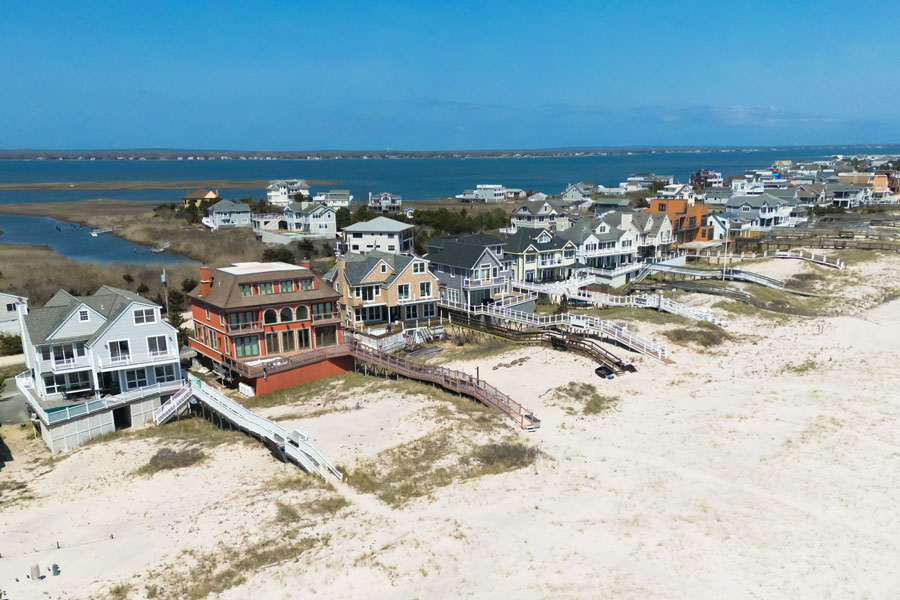
The Hamptons are a collection of villages and hamlets on the South Fork of eastern Long Island. The Hamptons are not a single town, village, or municipality. Instead, the name refers to a coastal region made up primarily of communities within the towns of Southampton and East Hampton in Suffolk County, New York State.
The Hamptons are internationally known for their Atlantic Ocean beaches, historic villages, waterfront homes, working farms, boating, restaurants, art galleries, museums, preserved landscapes, and busy summer season. Although the region is frequently associated with wealth, celebrities, and luxury real estate, it also contains year-round communities with deep agricultural, fishing, maritime, and architectural traditions.
In Short
The Hamptons are an informal geographic and cultural region on the eastern end of Long Island’s South Fork. They consist of numerous villages, hamlets, neighborhoods, and coastal communities, mainly within the towns of Southampton and East Hampton, rather than one official place called “The Hamptons.”
What Are the Hamptons?
The term “the Hamptons” is used collectively to describe a group of communities extending across much of the South Fork of Long Island. There is no incorporated municipality, census-designated place, county, or local government officially named the Hamptons.
Instead, the region is divided primarily between the Town of Southampton and the Town of East Hampton. Within those towns are incorporated villages, unincorporated hamlets, beach communities, farming areas, historic districts, residential neighborhoods, and waterfront communities that together form what residents, visitors, businesses, real estate professionals, and the tourism industry commonly call the Hamptons.
The distinction between towns, villages, and hamlets can be confusing because these terms describe different types of communities and local government. Long Island contains incorporated villages as well as unincorporated hamlets located within larger towns. More information about these distinctions is available in the guide to municipalities, villages, and hamlets on Long Island.
The Hamptons generally begin in the western South Fork communities around Westhampton, Westhampton Beach, Westhampton Dunes, and Quogue. The region continues east through Southampton, Water Mill, Bridgehampton, Sagaponack, Wainscott, East Hampton, and Amagansett. The exact western and eastern boundaries are informal and may vary depending on local usage.
Which Communities Are in the Hamptons?
Communities commonly considered part of the Hamptons include Westhampton, Westhampton Beach, Westhampton Dunes, Quogue, East Quogue, Hampton Bays, Southampton, Water Mill, Bridgehampton, Sagaponack, Wainscott, East Hampton, and Amagansett.
Sag Harbor is also widely associated with the Hamptons, although it is located on the northern side of the South Fork rather than directly along the Atlantic Ocean. Its historic waterfront, harbor, village center, shops, restaurants, and maritime character make Sag Harbor one of the best-known destinations in the region.
Other smaller communities and neighborhoods within the towns of Southampton and East Hampton may also be described as part of the Hamptons. Because the name is informal, there is no single official list that establishes every community included in the region.
Why Are They Called the Hamptons?
The name “the Hamptons” comes from the number of communities in the region that include “Hampton” in their names, especially Southampton and East Hampton. Other examples include Bridgehampton, Westhampton, Westhampton Beach, Westhampton Dunes, and Hampton Bays.
Over time, the name “the Hamptons” became a convenient collective term for the broader resort, residential, agricultural, and coastal region. The term now includes several communities that do not contain the word Hampton, including Water Mill, Sagaponack, Wainscott, Amagansett, Quogue, and Sag Harbor.
Are the Hamptons a Town?
No. The Hamptons are not a town, city, village, county, or other official municipality. The two principal municipal governments are the Town of Southampton and the Town of East Hampton. Each town contains multiple villages, hamlets, neighborhoods, historic districts, and coastal communities with their own names, identities, local services, and community institutions.
This distinction can be confusing because Southampton and East Hampton are both names of towns and names associated with individual village or hamlet centers. The Town of Southampton covers a large portion of the western and central South Fork, while the Southampton village area is only one community within that town. The same general distinction applies to the Town of East Hampton and the community of East Hampton.
Readers unfamiliar with local government on Long Island can review the guide to towns, villages, hamlets, and municipalities for a clearer explanation of how these community types differ.
Is Montauk Part of the Hamptons?
Montauk is located within the Town of East Hampton at the eastern end of the South Fork. It is frequently included in Hamptons tourism, travel planning, real estate coverage, and regional marketing.
However, Montauk is also commonly viewed as a distinct destination with its own identity. Its commercial fishing industry, surfing culture, state parks, beaches, harbor, and location near Montauk Point State Park and the Montauk Point Lighthouse give it a different character from the village-centered Hamptons communities farther west.
It is therefore reasonable to describe Montauk as part of the broader Hamptons region while recognizing that many residents and visitors treat it separately. Popular Montauk destinations include Ditch Plains Beach, Montauk Downs State Park, Montauk Point State Park, and the Montauk Point Lighthouse.
What Are the Hamptons Known For?
The Hamptons are best known for their wide Atlantic Ocean beaches, shingled homes, historic village centers, private estates, farms, marinas, restaurants, galleries, museums, golf courses, cultural events, and seasonal social scene. Many visitors arrive during the summer to spend time at the beach, attend events, dine in village centers, go boating, visit museums, or stay in vacation homes, inns, and hotels.
Among the region’s best-known beaches are Coopers Beach in Southampton, Main Beach in East Hampton, and Ditch Plains Beach in Montauk. Beach access, parking rules, permits, residency requirements, and seasonal regulations vary by location.
The region’s reputation for luxury comes partly from its expensive waterfront, farmland, and estate properties and its long association with prominent business leaders, artists, entertainers, and public figures. Communities including Sagaponack, Southampton, East Hampton, Bridgehampton, and Water Mill contain some of the most valuable residential real estate on Long Island.
Luxury, however, is only one part of the identity of the Hamptons. The region also contains working farms, roadside produce stands, historic windmills, fishing docks, preserved wetlands, nature trails, locally owned businesses, and year-round residential neighborhoods. Agriculture remains especially visible around Water Mill, Bridgehampton, and Sagaponack, while maritime activity remains important in Sag Harbor and Montauk.
The region also has a strong cultural identity. Museums, historic properties, galleries, theaters, and cultural organizations can be found throughout the South Fork. Examples include the Southampton History Museum, along with numerous private galleries and cultural institutions in Southampton, Water Mill, East Hampton, and Sag Harbor.
What Is the Geography of the Hamptons?
The Hamptons occupy much of the South Fork, the southeastern branch of Long Island. The region is bordered by the Atlantic Ocean to the south and a series of bays, harbors, creeks, ponds, wetlands, and inland waterways to the north.
The southern coastline contains ocean beaches, dunes, barrier-island environments, coastal estates, and beach communities. The northern side of the South Fork includes sheltered harbors and bays connected to the Peconic estuary system. Between the two coasts are villages, forests, farms, residential areas, wetlands, ponds, and protected open spaces.
The western portion of the region is separated from the North Fork area by waterways connected through the Shinnecock Canal. Farther east, the South Fork narrows as it approaches Amagansett, Montauk, Montauk Point, and the meeting area of the Atlantic Ocean and Block Island Sound.
How Do People Reach the Hamptons?
Montauk Highway serves as the principal local east-west road through many Hamptons communities. Other major routes connect the region with western Long Island and New York City. Traffic can become particularly heavy during summer weekends, holidays, and major events.
The Long Island Rail Road provides rail service to several communities on the South Fork, although schedules and service frequency vary by station and season. The Hampton Jitney also provides bus transportation between New York City, the Hamptons, and other eastern Long Island destinations.
Visitors traveling during the summer should check current road conditions, Long Island Rail Road schedules, and Hampton Jitney departure times before beginning their trip. Travel times can increase significantly on Friday afternoons, Sunday evenings, holiday weekends, and during major seasonal events.
Do People Live in the Hamptons Year-Round?
Yes. Although the Hamptons are famous as a summer destination, thousands of people live and work in the region throughout the year. Year-round residents include families, business owners, teachers, healthcare workers, municipal employees, farmers, fishermen, tradespeople, artists, hospitality workers, and others who support the local economy and community institutions.
The population rises considerably during the warmer months as seasonal homeowners, vacation renters, hotel guests, day visitors, and tourists arrive from New York City, other parts of New York State, and around the world. This seasonal increase affects traffic, restaurants, beach access, parking, housing, public safety, transportation, and other local services.
Outside the summer season, communities such as Southampton, East Hampton, Sag Harbor, Hampton Bays, Westhampton Beach, and Montauk continue to function as active year-round communities, although some restaurants, hotels, shops, and attractions may reduce their hours or close seasonally.
The Hamptons, New York
Quick Facts
| Category | Information |
|---|---|
| Official Municipality | No. The Hamptons are an informal region rather than a single town or village. |
| Region Type | Collection of villages, hamlets, neighborhoods, farming areas, and coastal communities |
| Location | South Fork of eastern Long Island |
| Primary Towns | Southampton and East Hampton |
| County | Suffolk County |
| State | New York State |
| Known For | Atlantic Ocean beaches, historic villages, boating, farms, arts, restaurants, seasonal tourism, and luxury homes |
| Commonly Included Communities | Westhampton, Westhampton Beach, Quogue, Hampton Bays, Southampton, Water Mill, Bridgehampton, Sagaponack, Wainscott, East Hampton, Amagansett, and Sag Harbor |
| Montauk | Montauk is often included in the broader Hamptons region but is widely recognized as a distinct destination. |
| Major Road | Montauk Highway |
| Public Transportation | Long Island Rail Road and Hampton Jitney |
The Hamptons are best understood as a region made up of many separate communities rather than one official place. Together, the villages and hamlets of Southampton and East Hampton combine Atlantic Ocean beaches, working farms, historic architecture, boating, arts, tourism, and year-round residential life. That combination has made the Hamptons one of the most recognizable coastal regions in New York State and one of the best-known destinations on Long Island.
Are you ready for fall on Long Island? Check out these local seasonal guides:
🍎 Apple Picking 🍓 Strawberry Picking 🎃 Pumpkin Picking 👻 Haunted Houses 🍂 Farm Festivals