
What towns are on Long Island?
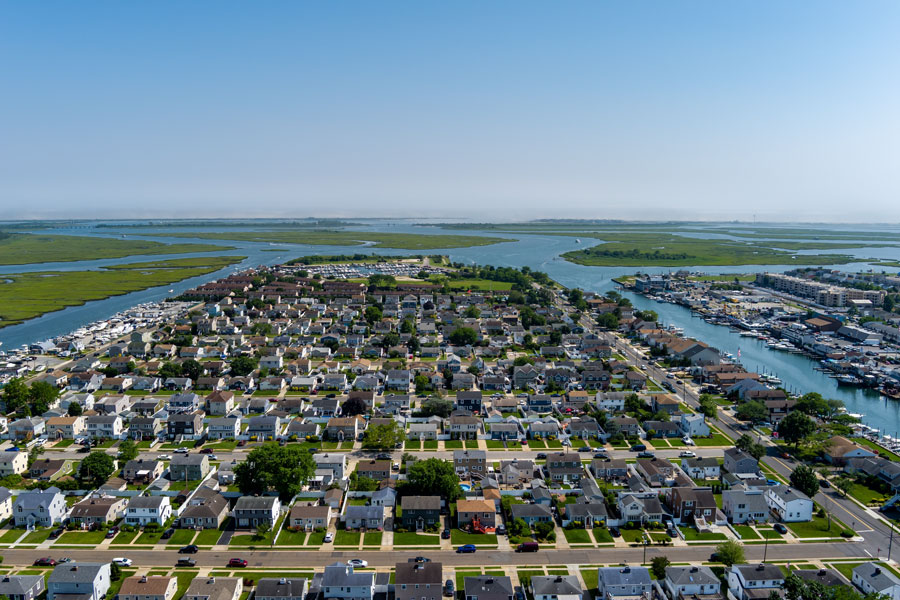
Long Island has 13 official towns outside New York City, including three in Nassau County and ten in Suffolk County. These towns are major units of local government and contain hundreds of incorporated villages, unincorporated hamlets, neighborhoods, beaches, parks, and business districts. The 13 towns are Hempstead, North Hempstead, Oyster Bay, Babylon, Brookhaven, East Hampton, Huntington, Islip, Riverhead, Shelter Island, Smithtown, Southampton, and Southold.
In Short
The three towns in Nassau County are Hempstead, North Hempstead, and Oyster Bay. The ten towns in Suffolk County are Babylon, Brookhaven, East Hampton, Huntington, Islip, Riverhead, Shelter Island, Smithtown, Southampton, and Southold.
See the towns on an interactive map: Visit the Long Island Address & Jurisdiction Finder for a visual look at town boundaries across Nassau and Suffolk counties. You can explore the map as a whole or enter a specific address to identify the town and other local jurisdictions associated with that location.
What Towns Are on Long Island?
Local government across Nassau and Suffolk counties is organized primarily around 13 towns. These towns provide or oversee services that may include zoning, planning, parks, beaches, recreation programs, building permits, road maintenance, sanitation, public safety functions, and other municipal responsibilities. The exact services provided vary because incorporated villages, cities, counties, special districts, and other agencies may also have jurisdiction within the same area.
The 13-town count does not include Brooklyn or Queens. Although both boroughs are geographically located on Long Island, they are governed as parts of New York City and do not use the town system found in Nassau and Suffolk counties.
Towns in Nassau County
Nassau County contains three towns: Hempstead, North Hempstead, and Oyster Bay. Together, they cover most of the county, although the incorporated cities of Glen Cove and Long Beach operate separately from the town governments.
The Town of Hempstead includes communities such as Freeport, Garden City, Valley Stream, Hempstead, and many other villages and hamlets across central and southern Nassau County.
The Town of North Hempstead includes communities such as Great Neck, Manhasset, Port Washington, Roslyn, and New Hyde Park.
The Town of Oyster Bay extends from the North Shore to the South Shore and includes communities such as Oyster Bay, Hicksville, Plainview, Massapequa, and Farmingdale.
Towns in Suffolk County
Suffolk County contains ten towns stretching from the Nassau County border to the eastern tips of the North Fork and South Fork. These towns range from densely developed suburban municipalities to rural, agricultural, coastal, and seasonal areas on the East End.
The western Suffolk towns of Babylon, Huntington, Islip, and Smithtown contain many of the county’s established suburban communities, downtown districts, waterfront neighborhoods, commercial centers, and transportation corridors.
The Town of Brookhaven occupies a large section of central Suffolk County and contains dozens of villages and hamlets, including communities along the North Shore, South Shore, and central interior. The Town of Riverhead serves as a gateway to the East End and includes the county seat, agricultural areas, coastal communities, shopping destinations, and access to the Peconic Bays.
The East End towns of East Hampton, Shelter Island, Southampton, and Southold include ocean beaches, bays, vineyards, farms, historic villages, waterfront communities, and many of Long Island’s best-known seasonal destinations.
A Town Is Not the Same as a Hamlet or Village
On Long Island, a town is a municipal government rather than a single downtown, village, or neighborhood. A town may contain many incorporated villages and unincorporated hamlets, each with its own identity. Some incorporated villages maintain separate local governments, while hamlets are generally governed directly by the town in which they are located.
This distinction can be confusing because several towns share their names with communities located inside them. For example, the Town of Huntington contains the hamlet commonly called Huntington, but it also includes many other communities such as Northport, Melville, Cold Spring Harbor, and Centerport. The same type of distinction applies to Hempstead, Oyster Bay, Islip, Riverhead, Southampton, Southold, and several other town names.
For a broader explanation of these local-government categories, see the guide to Long Island Municipalities, Villages & Hamlets.
What Services Do Towns Provide?
Town governments may oversee zoning, planning, building departments, parks, beaches, recreational facilities, public works, roads, parking rules, code enforcement, animal control, and other local services. However, responsibilities differ from place to place because incorporated villages, counties, cities, school districts, sanitation districts, water districts, park districts, and state agencies may provide separate services within the same town.
When researching a beach permit, building rule, park, public event, parking regulation, or municipal service, residents and visitors should confirm the exact village or hamlet and determine which government or agency has jurisdiction.
Continue Exploring
Learn more about Long Island Municipalities, Villages & Hamlets, find out what cities are on Long Island, explore Nassau County and Suffolk County, or read about whether Long Island is part of New York City.
Quick Facts
| Town | County | Examples of Communities |
|---|---|---|
| Hempstead | Nassau County | Hempstead, Freeport, Garden City, and Valley Stream |
| North Hempstead | Nassau County | Great Neck, Manhasset, Port Washington, and Roslyn |
| Oyster Bay | Nassau County | Oyster Bay, Hicksville, Plainview, and Massapequa |
| Babylon | Suffolk County | Babylon, Lindenhurst, Deer Park, and Copiague |
| Brookhaven | Suffolk County | Patchogue, Stony Brook, Port Jefferson, and Shirley |
| East Hampton | Suffolk County | East Hampton, Montauk, Amagansett, and Springs |
| Huntington | Suffolk County | Huntington, Northport, Melville, and Cold Spring Harbor |
| Islip | Suffolk County | Islip, Bay Shore, Sayville, and Brentwood |
| Riverhead | Suffolk County | Riverhead, Calverton, and Wading River |
| Shelter Island | Suffolk County | Shelter Island, Shelter Island Heights, and surrounding island communities |
| Smithtown | Suffolk County | Smithtown, Kings Park, St. James, and Nesconset |
| Southampton | Suffolk County | Southampton, Hampton Bays, Westhampton, and part of Sag Harbor |
| Southold | Suffolk County | Southold, Greenport, Mattituck, and Orient |
The 13 towns of Long Island form the foundation of local government across Nassau County and Suffolk County. Each town contains a collection of communities with separate histories and identities, and some include incorporated villages with their own governments. Understanding the difference between a town, village, hamlet, and city makes it easier to identify the correct jurisdiction for local services, permits, parks, beaches, and community information.
Are you ready for fall on Long Island? Check out these local seasonal guides:
🍎 Apple Picking 🍓 Strawberry Picking 🎃 Pumpkin Picking 👻 Haunted Houses 🍂 Farm Festivals