
What counties make up Long Island?
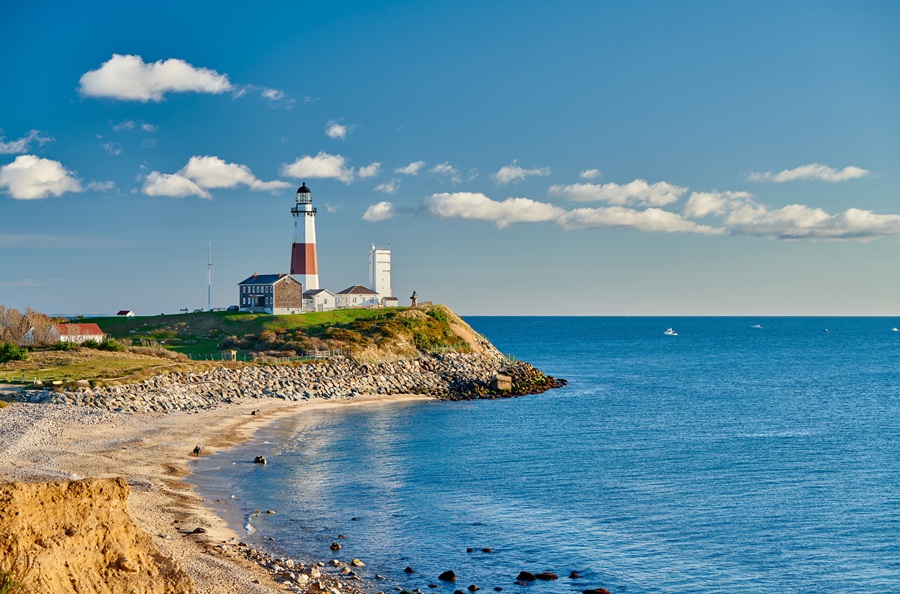
Geographically, Long Island is divided into four counties: Kings County, which is Brooklyn, Queens County, which is Queens, Nassau County, and Suffolk County. Brooklyn and Queens are also boroughs of New York City, while Nassau and Suffolk are separate county governments outside the city. In everyday conversation, the term “Long Island” usually refers only to Nassau and Suffolk counties.
In Short
Long Island contains four counties: Kings County (Brooklyn), Queens County (Queens), Nassau County, and Suffolk County. All four are geographically located on the island, but Brooklyn and Queens are governed as parts of New York City.
What Counties Make Up Long Island?
The four counties extend across the island from New York Harbor at the western end to Montauk and Orient Point at the eastern end. Kings County and Queens County occupy the western portion, Nassau County lies directly east of Queens, and Suffolk County covers the island’s central and eastern sections.
The distinction between geography and government is important. Brooklyn and Queens are physically located on Long Island, but they are two of the five boroughs of New York City. Nassau County and Suffolk County are separate counties with their own governments, services, municipalities, and regional identities.
Kings County and Brooklyn
Kings County is legally equivalent to the borough of Brooklyn. It occupies the westernmost portion of Long Island and is governed through New York City’s consolidated municipal system. Although it remains a county for legal and geographic purposes, most people refer to the area simply as Brooklyn rather than Kings County.
Queens County and Queens
Queens County is legally equivalent to the borough of Queens. It lies east and north of Brooklyn and forms the transition between New York City’s dense urban neighborhoods and suburban Nassau County. Like Brooklyn, Queens is governed as part of New York City rather than as an independent suburban county.
Nassau County
Nassau County begins immediately east of Queens and is the western suburban county of Long Island. It includes the towns of Hempstead, North Hempstead, and Oyster Bay, along with the incorporated cities of Glen Cove and Long Beach.
Nassau County contains densely developed suburbs, commuter communities, historic villages, beaches, parks, business districts, and many former Gold Coast estates. It serves as an important residential and economic link between New York City and eastern Long Island.
Suffolk County
Suffolk County occupies most of the island’s central and eastern territory and is the largest Long Island county by land area. It contains the towns of Babylon, Brookhaven, East Hampton, Huntington, Islip, Riverhead, Shelter Island, Smithtown, Southampton, and Southold.
Suffolk County includes suburban communities, farmland, vineyards, forests, beaches, bays, harbors, and many of Long Island’s best-known destinations. The county extends across the North Fork, South Fork, Hamptons, Montauk, and much of the East End, with shorelines along the Atlantic Ocean and Long Island Sound.
What Do Counties Do?
Counties are major units of government in New York State. Nassau and Suffolk counties administer or support services that may include courts, elections, public health, law enforcement, parks, roads, social services, public works, emergency planning, and county records. Their responsibilities overlap with towns, cities, incorporated villages, school districts, and special districts depending on the location and service involved.
Kings County and Queens County continue to exist as legal counties, but most county-level services are administered through the government of New York City. This is why Brooklyn and Queens function differently from Nassau and Suffolk even though all four counties occupy the same physical island.
Why Do People Usually Mean Nassau and Suffolk?
In everyday conversation, residents, businesses, media organizations, and visitors usually use the name “Long Island” to mean Nassau County and Suffolk County. Brooklyn and Queens are more commonly identified as New York City boroughs, even though they remain geographically part of the island.
This common regional definition explains why references to Long Island schools, beaches, towns, real estate, local government, or county services usually concern Nassau and Suffolk rather than Brooklyn and Queens.
Towns, Cities, Villages, and Hamlets Within the Counties
Nassau and Suffolk counties are further divided into towns, cities, incorporated villages, and unincorporated hamlets. Nassau County contains three towns and two incorporated cities, while Suffolk County contains ten towns. Within those towns are hundreds of communities with different local governments, service arrangements, and identities.
For a fuller explanation of how these divisions work, visit the guide to Long Island Municipalities, Villages & Hamlets and the page explaining what towns are on Long Island.
Continue Exploring
Use the Long Island Counties Map to see how the four counties are arranged across the island. You can also explore Nassau County, Suffolk County, learn whether Long Island is part of New York City, find out what cities are on Long Island, or read about Long Island’s municipalities, villages, and hamlets.
Quick Facts
| County | Position on Long Island | Government and Communities |
|---|---|---|
| Kings County (Brooklyn) | Western end of Long Island | A borough and county of New York City. |
| Queens County (Queens) | East and north of Brooklyn | A borough and county of New York City. |
| Nassau County | Immediately east of Queens | An independent suburban county containing three towns and the cities of Glen Cove and Long Beach. |
| Suffolk County | Central and eastern Long Island | The island’s largest county by land area, containing ten towns and extending to Montauk and Orient Point. |
| Total Counties | Four geographic counties occupy Long Island. | |
The four counties of Long Island reflect both the island’s physical geography and its complicated governmental structure. Brooklyn and Queens are New York City boroughs on the western end of the island, while Nassau County and Suffolk County form the suburban and eastern region most people commonly call Long Island. Understanding these county boundaries makes it easier to interpret local maps, government jurisdictions, communities, and regional identities.
Are you ready for fall on Long Island? Check out these local seasonal guides:
🍎 Apple Picking 🍓 Strawberry Picking 🎃 Pumpkin Picking 👻 Haunted Houses 🍂 Farm Festivals