
Is Long Island really an island?
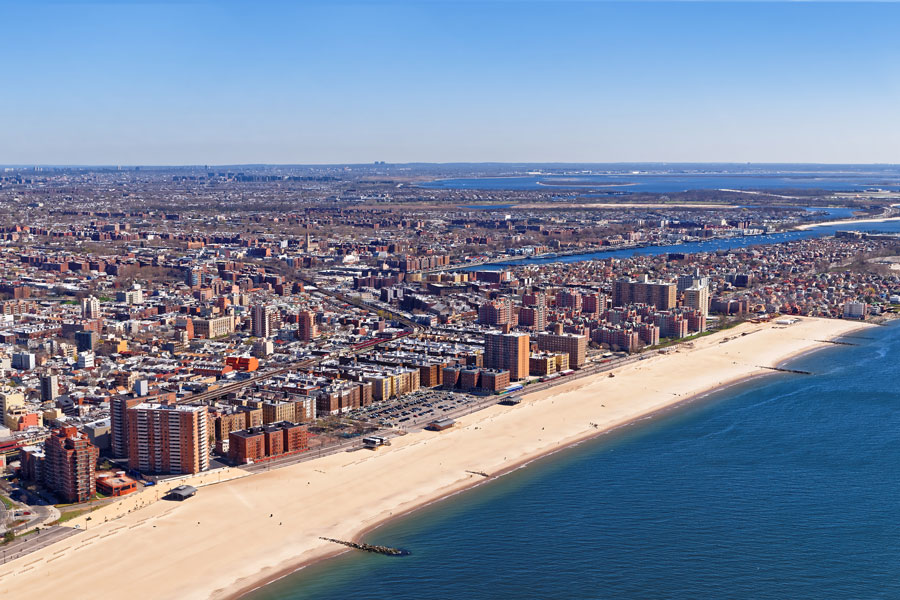
Long Island is, in fact, a true island. It is completely surrounded by water, with New York Harbor and the East River to the west, Long Island Sound to the north, the Atlantic Ocean to the south, and Block Island Sound and the Atlantic Ocean at its eastern end. Although many people think of Long Island as a suburban extension of New York City, it is geographically one of the world’s largest islands and the most populous island in the contiguous United States.
In Short
Yes. Long Island is completely surrounded by water and therefore meets the geographic definition of an island. It is bordered by New York Harbor, the East River, Long Island Sound, the Atlantic Ocean, and Block Island Sound, even though it is connected to the mainland by numerous bridges and tunnels.
Is Long Island Really an Island?
Yes. By every geographic definition, Long Island is a genuine island because it is entirely surrounded by water. It stretches approximately 118 miles (190 kilometers) from west to east and contains four counties: Kings (Brooklyn), Queens, Nassau County, and Suffolk County.
One reason people frequently ask whether Long Island is really an island is that it is connected to mainland New York by numerous highways, bridges, tunnels, and rail lines. Millions of people travel between Long Island and New York City every year, giving the impression that it is simply an extension of the mainland. In reality, transportation infrastructure does not change the island’s geography.
What Surrounds Long Island?
Long Island is bordered by several major bodies of water. To the north is Long Island Sound, which separates the island from Connecticut. To the south lies the Atlantic Ocean. At the western end are New York Harbor and the East River, while the eastern end borders Block Island Sound and the Atlantic Ocean near Montauk and Orient Point. Together, these waterways completely separate Long Island from the mainland.
Although its name suggests otherwise, the East River is not actually a river. It is a tidal strait connecting New York Harbor with Long Island Sound. Despite its name, it still forms part of the water boundary that separates Long Island from mainland New York.
Do Bridges and Tunnels Change That?
No. Bridges and tunnels provide transportation between Long Island and the mainland, but they do not alter the island’s geography. Similar transportation links connect islands around the world without changing their status. Long Island remains an island regardless of the number of roads, rail lines, or crossings built across its surrounding waterways. Learn more in our guide to Long Island Bridges and Tunnels.
How Was Long Island Formed?
Long Island was formed thousands of years ago during the last Ice Age, when retreating glaciers deposited enormous amounts of rock, sand, and gravel. These deposits created the island’s two major glacial moraines, which shaped its rolling terrain, bluffs, and many of the landscapes visible today. This glacial history also influenced the formation of the island’s harbors, bays, and beaches.
Continue Exploring
If you’d like to learn more about Long Island’s geography, explore Where Is Long Island?, Is Long Island Part of New York City?, Why Is Brooklyn on Long Island?, Why Is Queens on Long Island?, How Long Is Long Island?, How Wide Is Long Island?, and What Is the Highest Point on Long Island?.
Quick Facts
| Question | Answer |
|---|---|
| Is Long Island really an island? | Yes. It is completely surrounded by water. |
| What borders Long Island to the north? | Long Island Sound. |
| What borders Long Island to the south? | The Atlantic Ocean. |
| What separates Long Island from mainland New York? | New York Harbor, the East River, Long Island Sound, and other surrounding waterways. |
| Do bridges and tunnels make it part of the mainland? | No. Transportation connections do not change its geographic status as an island. |
| How long is Long Island? | Approximately 118 miles (190 kilometers). |
| How many people live on Long Island? | Nearly 8 million residents. |
| Why was Long Island formed? | By glaciers during the last Ice Age. |
Although its size, population, and extensive transportation network sometimes cause people to think of it as part of the mainland, Long Island is unquestionably an island. Surrounded by New York Harbor, the East River, Long Island Sound, the Atlantic Ocean, and Block Island Sound, it remains one of the largest, most recognizable, and most populated islands in the United States.
Are you ready for fall on Long Island? Check out these local seasonal guides:
🍎 Apple Picking 🍓 Strawberry Picking 🎃 Pumpkin Picking 👻 Haunted Houses 🍂 Farm Festivals