
The Hamptons
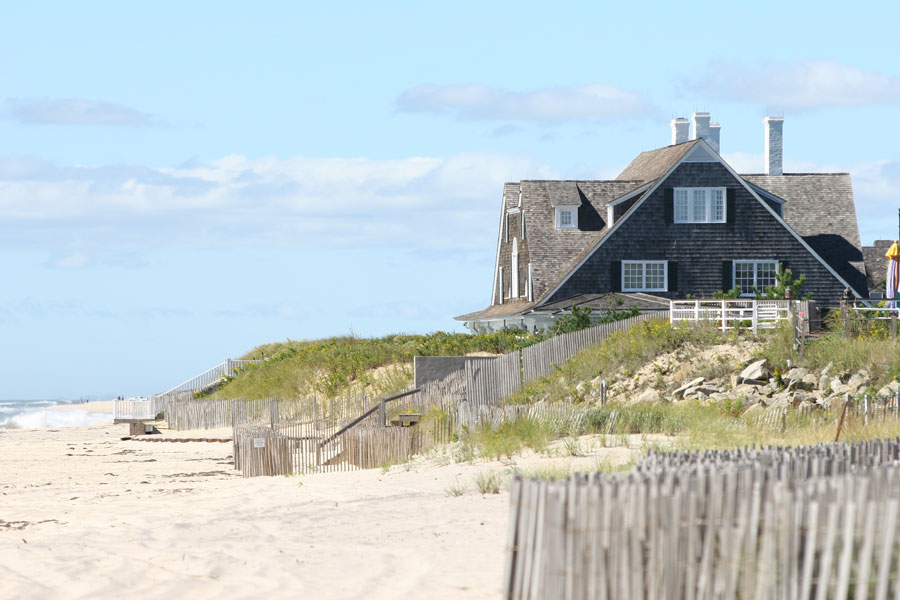
On the eastern South Shore of Long Island, New York, the Hamptons offer a mix of ocean beaches, historic villages, working farmland, marinas, galleries, and seasonal energy. Long associated with summer escapes from nearby Manhattan, the region remains one of the best-known destinations on Long Island for beach days, dining, shopping, arts events, and coastal scenery.
While the Hamptons are often linked with luxury and high-profile summer residents, they are also a place of public beaches, nature preserves, local history, fishing harbors, and small downtowns that are easy to explore at a slower pace. Visitors come for everything from surfing and sailing to museum visits, vineyard tastings, and relaxed walks through village streets lined with boutiques, inns, and restaurants.
What the Hamptons Includes
In everyday use, the Hamptons usually refers mainly to the South Fork communities within the Town of Southampton and the Town of East Hampton, including places such as Southampton Village, East Hampton Village, Wainscott, Bridgehampton, Sagaponack, Water Mill, Amagansett, Montauk, and Sag Harbor. In broader visitor conversations, Westhampton Beach, Quogue, and Hampton Bays are also often grouped into the Hamptons, especially for travelers heading east along the South Shore.
The area’s story reaches back long before English settlement, and the continuing presence and heritage of the Shinnecock Indian Nation is an important part of the region’s history. Over time, the South Fork evolved from farming, fishing, and whaling communities into one of the country’s most recognizable seasonal destinations, yet many historic streetscapes, churches, windmills, and maritime landmarks still help define its character.
Beaches and Waterfront Highlights
The Hamptons are best known for their beaches. Ocean favorites include Coopers Beach in Southampton, Main Beach in East Hampton, and Ditch Plains Beach in Montauk, which is especially popular with surfers. Beyond the Atlantic shoreline, bays, harbors, and inlets add quieter settings for kayaking, paddleboarding, boating, fishing, and sunset views.
Beach access rules, nonresident parking policies, lifeguard coverage, and seasonal fees can vary by municipality, so it is wise to check local details before visiting. In summer, arriving early is often the best strategy for public beaches and popular waterfront areas.
Arts, History, and Culture
The Hamptons have a long artistic legacy shaped by their light, landscapes, and creative communities. Notable cultural stops include the Pollock-Krasner House and Study Center in Springs, the Parrish Art Museum in Water Mill, and Guild Hall in East Hampton. Sag Harbor adds another layer of character with its whaling history, handsome village architecture, marinas, and walkable Main Street.
Seasonal programming is a major part of the experience. Film screenings, gallery shows, outdoor concerts, book talks, and charity events are common from late spring through early fall. The Hamptons International Film Festival is among the area’s best-known annual events, though schedules, venues, and programming details can change from year to year.
Vineyards, Farm Stands, and Local Flavor
The South Fork has a smaller but well-known wine scene, with places such as Wölffer Estate Vineyard, Channing Daughters Winery, and Duck Walk Vineyards drawing visitors for tastings and scenic grounds. Reservations, tasting policies, and hours may vary by season, so checking ahead is recommended.
Food is a major part of the Hamptons experience beyond wine. Farm stands, seafood restaurants, bakeries, and seasonal markets reflect the area’s agricultural and maritime roots. For travelers interested in a broader vineyard trail, the nearby North Fork offers additional winery options within easy reach for a day trip.
Outdoor Activities
There is no shortage of ways to stay active in the Hamptons. Popular options include surfing in Montauk, paddleboarding on calmer waters, charter fishing, sailing, cycling, and hiking through coastal preserves. Nature-focused visitors often seek out dune landscapes, marshes, ponds, and state park scenery, with places such as Montauk Point Lighthouse and nearby shoreline at Montauk Point State Park adding dramatic views to the eastern end of a trip.
Water conditions can change quickly, especially along the ocean. Pay attention to surf, tide, weather, and rip current advisories, and use lifeguarded beaches whenever possible.
Golf in the Hamptons
The Hamptons are home to several famous golf clubs, including Shinnecock Hills Golf Club, Maidstone Club, and National Golf Links of America. Many of the region’s most recognizable courses are private, however, and are not available for standard public tee times. Travelers looking to play should confirm access requirements in advance and focus on public or resort-style options where available, such as Montauk Downs State Park Golf Course.
Shopping and Village Strolls
East Hampton, Southampton, Sag Harbor, Amagansett, and Westhampton Beach are among the most popular places for shopping, dining, and people-watching. Visitors will find a mix of designer labels, independent boutiques, home stores, bookstores, galleries, cafes, and classic ice cream stops. Even outside peak summer, these village centers make appealing stops for a relaxed afternoon.
Hamptons Communities Overview
| Community | Known For | General Character |
|---|---|---|
| Southampton | Historic village center, beaches, shopping, and estates | Upscale, walkable, and one of the best-known Hamptons destinations |
| East Hampton | Ocean beaches, arts scene, and luxury residential areas | Refined village atmosphere with strong cultural identity |
| Wainscott | Farm stands, beach access, and quieter residential areas | Low-key coastal hamlet between East Hampton and Sagaponack |
| Bridgehampton | Horse country, vineyards, and luxury homes | Rural-meets-upscale Hamptons setting |
| Sagaponack | Farmland, estate homes, and Atlantic beaches | Exclusive and rural Hamptons village with preserved open space |
| Sag Harbor | Historic whaling village, marinas, and restaurants | Walkable harbor community with year-round activity |
| Amagansett | Beaches, dunes, and smaller village center | Relaxed coastal atmosphere with a quieter feel |
| Montauk | Surfing, fishing, beaches, and Montauk Point Lighthouse | More rugged, outdoors-oriented, and less formal |
| Water Mill | Parrish Art Museum and estate properties | Quiet residential area with cultural attractions |
| Westhampton Beach | Ocean beaches, Main Street, and summer tourism | Walkable beach village and a popular western gateway into the region |
| Quogue | Private estates and oceanfront neighborhoods | Quiet and primarily residential |
| Hampton Bays | Marinas, boating, and waterfront dining | More casual and marine-oriented than some eastern Hamptons areas |
Getting There and Getting Around
The Hamptons can be reached by car, seasonal bus and coach service, and the Long Island Rail Road’s Montauk Branch. Travel times vary widely depending on traffic, time of year, and service schedules. Route 27 and Montauk Highway can become heavily congested on summer weekends, so visitors should build in extra time and check transportation details before departure.
Once you arrive, getting around is easiest by car in many areas, though village centers are often walkable and some visitors use bicycles for shorter local trips. Parking rules, beach permits, and municipal regulations differ from place to place, especially in peak season, and rideshare or taxi availability can vary by area and time of day.
Visitor Tips
Summer is the busiest season, with the warmest beach weather and the fullest events calendar, but late spring and early fall can be especially rewarding for visitors who prefer lighter crowds. Restaurant reservations are often helpful in peak months, and attraction hours may shift outside the main season. A flexible plan and a little advance checking go a long way here.
Some beaches, docks, and neighborhood waterfront areas have resident-only restrictions or limited public access, so look for marked public entry points and posted local rules. If you are visiting during a busy weekend, it is also smart to confirm parking options ahead of time.
The Hamptons
Key Facts & Details
| Feature | Details |
|---|---|
| Location | Eastern South Fork and surrounding communities of Long Island, New York |
| Primary Towns | Town of Southampton and Town of East Hampton |
| Region | South Fork, Suffolk County |
| Best Known For | Atlantic beaches, historic villages, coastal scenery, arts and culture, dining, shopping, farms, and summer tourism |
| Major Communities | Southampton, East Hampton, Bridgehampton, Sag Harbor, Amagansett, Water Mill, Sagaponack, and Montauk |
| Popular Beaches | Coopers Beach, Main Beach, and Ditch Plains Beach |
| Popular Activities | Swimming, surfing, boating, fishing, dining, shopping, museum visits, gallery visits, cycling, hiking, and vineyard visits |
| Notable Attractions | Montauk Point Lighthouse, Parrish Art Museum, village centers, beaches, marinas, and historic sites |
| Transportation | Car, Long Island Rail Road Montauk Branch, and seasonal bus and coach services |
| Main Roadways | Sunrise Highway / Route 27 and Montauk Highway |
| Peak Season | Late spring through early fall, with July and August typically the busiest months |
| Visitor Considerations | Beach permits, parking restrictions, seasonal fees, restaurant reservations, and traffic conditions vary by community and time of year |
The Hamptons remain one of Long Island’s signature destinations because they offer more than one kind of trip. You can spend a day on the beach, browse museums and galleries, sample local wine, walk a historic harbor village, or simply enjoy the coastal scenery. Whether you are planning a summer getaway or an off-season day trip, the Hamptons combine shoreline beauty, culture, and village charm in a way few places can match.
Are you ready for fall on Long Island? Check out these local seasonal guides:
🍎 Apple Picking 🍓 Strawberry Picking 🎃 Pumpkin Picking 👻 Haunted Houses 🍂 Farm Festivals