
Popular Destinations to Visit on Long Island
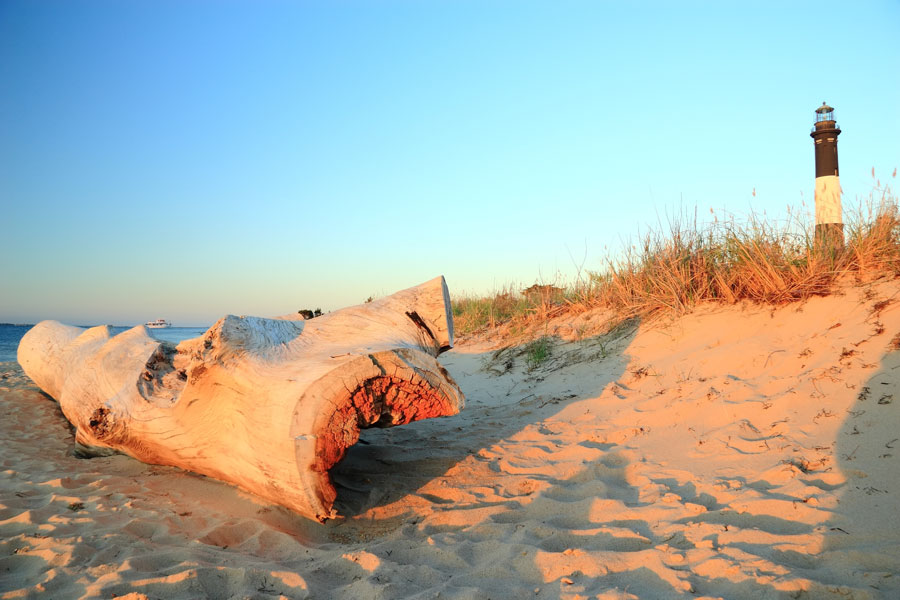
Long Island is one of New York’s most diverse visitor regions, stretching from the edge of New York City to the farms, beaches, harbors, and historic communities of the East End. Visitors can explore Nassau County, Suffolk County, the North Shore, the South Shore, Fire Island, the North Fork, the South Fork, and the Hamptons.
This visitor guide highlights major Long Island destinations by region, making it easier to find beaches, parks, museums, downtowns, historic sites, transportation hubs, wineries, coastal villages, and family-friendly attractions. Parking rules, ferry schedules, seasonal access, and attraction hours can vary throughout the year, so visitors should check official destination information before traveling.
Key Regions & Destinations
| Region | Popular Destinations | Known For |
|---|---|---|
| Nassau County | Garden City, Hempstead, Long Beach, Mineola, Roslyn | Suburban downtowns, beaches, museums, shopping, colleges, parks, and New York City access |
| North Shore | Great Neck, Port Washington, Oyster Bay, Huntington, Northport | Harbors, historic villages, Gold Coast estates, bluffs, parks, dining, and waterfront communities |
| South Shore | Freeport, Jones Beach, Long Beach, Bay Shore, Patchogue | Ocean beaches, marinas, ferry terminals, seafood restaurants, nightlife, and barrier-island access |
| Fire Island | Ocean Beach, Cherry Grove, Kismet, Fire Island Lighthouse | Barrier-island beaches, car-free communities, ferries, nightlife, nature, and coastal scenery |
| North Fork | Greenport, Mattituck, Cutchogue, Orient, Wine Country | Wineries, farms, harbor villages, ferry access, seafood, quiet roads, and agricultural landscapes |
| South Fork | Southampton, East Hampton, Bridgehampton, Sag Harbor, Montauk | Hamptons beaches, historic villages, luxury shopping, restaurants, art, fishing, and oceanfront scenery |
| East End | Riverhead, Greenport, Sag Harbor, Montauk, Shelter Island | Two forks, bays, farms, vineyards, ferries, lighthouses, beaches, and historic waterfront villages |
Central & South Nassau County
Central and South Nassau County are among the easiest parts of Long Island to reach from New York City. The area includes major residential communities, college campuses, beaches, shopping centers, museums, sports venues, and several important Long Island Rail Road stations.
- Garden City: Known for Roosevelt Field, historic neighborhoods, shopping, and Adelphi University.
- Hempstead: One of Long Island’s largest hamlets, with major civic, transit, and college connections.
- Long Beach: A barrier-island city known for its ocean beach, boardwalk, restaurants, and summer scene.
- Rockville Centre: A popular downtown for dining, nightlife, shopping, and convenient LIRR service.
- Mineola: Nassau County seat with courts, government offices, medical facilities, and major rail access.
North Shore Nassau County
The Nassau County section of the North Shore is known for waterfront villages, harbors, historic estates, shopping districts, museums, parks, and Gold Coast architecture. It is one of the most historically significant and visually distinctive parts of Long Island.
- Great Neck: A cluster of peninsula communities with waterfront parks, shopping, and strong cultural identity.
- Manhasset: Known for established North Shore neighborhoods and the Americana Manhasset luxury shopping district.
- Port Washington: A harborfront village with marinas, restaurants, parks, and a walkable downtown.
- Roslyn: Historic downtown with landmark architecture, museums, dining, and access to nearby cultural attractions.
- Oyster Bay: A historic waterfront community tied to Theodore Roosevelt, maritime history, parks, and harbor views.
Western Suffolk County
Western Suffolk County includes major downtowns, harbors, beaches, parks, cultural venues, and ferry access points. It is a good region for visitors looking for restaurants, nightlife, performing arts, waterfront villages, and access to both the North Shore and South Shore.
- Huntington: A walkable downtown known for restaurants, shops, nightlife, arts venues, and historic character.
- Cold Spring Harbor: A harbor village with museums, waterfront scenery, and North Shore charm.
- Northport: A scenic waterfront village with shops, restaurants, parks, harbor views, and a performing arts scene.
- Commack: Centrally located with shopping, local parks, and access to surrounding North Shore and interior communities.
- Smithtown: Historic hamlets, parks, nature preserves, and access to central North Shore destinations.
- Bay Shore: Great South Bay gateway with restaurants, nightlife, ferries, and access to Fire Island.
Central & Eastern Suffolk County
Central and eastern Suffolk County include some of Long Island’s fastest-growing communities, major transportation connections, parks, colleges, medical centers, beaches, and ferry routes. The area serves as a bridge between western Long Island and the East End.
- Patchogue: A lively downtown with restaurants, bars, performing arts, waterfront areas, and ferry access to Fire Island.
- Sayville: A village-style downtown with shops, restaurants, historic homes, and ferry access to Fire Island communities.
- Port Jefferson: A harborfront village with shopping, restaurants, ferry service to Connecticut, and waterfront attractions.
- Riverhead: Gateway to the North Fork, home to Long Island Aquarium and near Tanger Outlets.
- Ronkonkoma: A major LIRR hub with convenient access to Long Island MacArthur Airport.
North Fork Wine Country
The North Fork is one of Long Island’s most popular getaway regions, known for wineries, farm stands, beaches, quiet roads, marinas, seafood restaurants, and small waterfront villages. It is also a major destination for fall trips, summer weekends, and scenic drives.
- Greenport: Historic harbor village with shops, restaurants, waterfront parks, and ferry service to Shelter Island.
- Mattituck: North Fork village known for Love Lane, farm stands, vineyards, and access to nearby beaches and creeks.
- Cutchogue: Rural hamlet surrounded by vineyards, historic sites, farms, and scenic roads.
- Southold: One of the North Fork’s oldest communities, known for wineries, beaches, farms, and waterfront access.
- Orient Point: Eastern tip of the North Fork with ferry service to Connecticut and wide-open coastal views.
South Fork & The Hamptons
The South Fork includes the Hamptons, Montauk, historic villages, ocean beaches, art galleries, restaurants, farms, luxury shopping, state parks, and some of Long Island’s best-known summer destinations.
- Southampton: Historic village with beaches, upscale shopping, restaurants, museums, and classic Hamptons appeal.
- East Hampton: Known for ocean beaches, art, historic homes, village shopping, and a polished Hamptons atmosphere.
- Montauk: Surf town, fishing destination, state park hub, and home to Montauk Point Lighthouse.
- Bridgehampton: Hamptons hamlet known for farm stands, beaches, shops, and luxury estates.
- Sag Harbor: Historic whaling-era village with a marina, walking-friendly downtown, restaurants, shops, and harbor views.
Fire Island
Fire Island is a barrier island off Long Island’s South Shore, reached mainly by ferry, private boat, or limited road access near Robert Moses State Park and Smith Point. Much of Fire Island is known for car-free communities, beaches, nightlife, dunes, nature areas, and seasonal service schedules.
- Ocean Beach: One of Fire Island’s best-known villages, with restaurants, shops, beach access, and a lively summer atmosphere.
- Cherry Grove: Historic LGBTQ+ destination with a distinctive boardwalk community and seasonal nightlife.
- Kismet: Western Fire Island community known for beach days, casual dining, and summer trips.
- Fair Harbor: Residential beach community with a quieter seasonal atmosphere and ferry access.
- Davis Park: Eastern Fire Island community with beaches, marina access, and seasonal waterfront dining.
Beaches, Parks & Outdoor Destinations
Long Island’s outdoor destinations include ocean beaches, soundfront parks, barrier islands, wildlife refuges, hiking trails, state parks, golf courses, marinas, and waterfront preserves. Some destinations require parking permits, seasonal fees, or resident-only access, while others are open to broader public use.
- Jones Beach State Park: Iconic ocean beach with a boardwalk, concert venue, recreation areas, and broad public access.
- Robert Moses State Park: Classic South Shore beach park with access toward the Fire Island Lighthouse area.
- Sunken Meadow State Park: North Shore park with beach access, trails, picnic areas, golf, and views of Long Island Sound.
- Caumsett State Historic Park Preserve: North Shore preserve with trails, history, woods, fields, and Long Island Sound shoreline.
- Montauk Point Lighthouse: Historic lighthouse and scenic landmark at the eastern end of Long Island.
Museums, Historic Sites & Cultural Attractions
Long Island has a deep cultural and historical landscape, including aviation museums, art museums, presidential sites, Gold Coast estates, maritime landmarks, historic villages, performing arts venues, and family attractions.
- Sagamore Hill: Theodore Roosevelt’s historic home in Oyster Bay.
- Old Westbury Gardens: Gold Coast estate with formal gardens, historic architecture, tours, and seasonal events.
- Cradle of Aviation Museum: Major aviation and aerospace museum in Garden City.
- Nassau County Museum of Art: Museum, sculpture garden, and cultural destination in Roslyn Harbor.
- Vanderbilt Museum and Planetarium: Historic estate, museum, planetarium, and waterfront attraction in Centerport.
- Long Island Aquarium: Family attraction in Riverhead with marine exhibits and East End access.
Getting Around Long Island
Visitors can travel around Long Island by car, rail, bus, ferry, and air. The Long Island Rail Road connects many downtowns and visitor destinations to Penn Station, Grand Central Madison, Atlantic Terminal, and Jamaica Station. Drivers use major routes such as the Long Island Expressway, Northern State Parkway, Southern State Parkway, Sunrise Highway, and Montauk Highway.
Ferry routes connect Long Island with Fire Island, Shelter Island, Connecticut, and other coastal destinations. Major visitor transportation pages include Long Island Ferries, Fire Island Ferry, Shelter Island Ferries, Port Jefferson Ferry, and Cross Sound Ferry.
Key Facts & Details
| Region | Long Island, New York |
|---|---|
| Primary Counties | Nassau County and Suffolk County |
| Western End | Brooklyn and Queens |
| Major Visitor Regions | North Shore, South Shore, North Fork, South Fork, East End, Fire Island, and the Hamptons |
| Known For | Beaches, Gold Coast mansions, wineries, harbors, fishing, historic villages, parks, museums, and coastal communities |
| Major Rail Service | Long Island Rail Road |
| Major Airports | JFK Airport, LaGuardia Airport, and Long Island MacArthur Airport |
| Major Highways | Long Island Expressway, Northern State Parkway, Southern State Parkway, Sunrise Highway, and Montauk Highway |
| Popular Beaches | Jones Beach, Long Beach, Robert Moses State Park, Main Beach, and Coopers Beach |
| Popular Cultural Attractions | Sagamore Hill, Old Westbury Gardens, Cradle of Aviation Museum, Vanderbilt Museum, and Nassau County Museum of Art |
| Wine Region | North Fork Wine Country |
| Ferry Regions | Fire Island, Shelter Island, Port Jefferson, and Orient Point |
Frequently Asked Questions About Visiting Long Island
What are the best places to visit on Long Island?
Popular places to visit on Long Island include Jones Beach State Park, Montauk Point Lighthouse, Fire Island National Seashore, Sagamore Hill, Old Westbury Gardens, Long Island Aquarium, and North Fork Wine Country.
What is the most scenic part of Long Island?
The North Shore, North Fork, South Fork, and Fire Island are among Long Island’s most scenic regions. Each offers a different experience, from harbors and bluffs to vineyards, ocean beaches, lighthouses, and barrier-island landscapes.
Can you visit Long Island without a car?
Yes, many Long Island destinations can be reached by the Long Island Rail Road, local buses, ferries, taxis, and rideshare services. However, a car is helpful for exploring beaches, wineries, parks, and smaller villages that are not directly next to a train station.
Where should first-time visitors go on Long Island?
First-time visitors often start with Jones Beach, Huntington, Port Jefferson, Greenport, Sag Harbor, Montauk, or Fire Island, depending on whether they want beaches, dining, history, wine country, ferry trips, or coastal scenery.
What part of Long Island is best for beaches?
The South Shore, Fire Island, and the South Fork are best known for ocean beaches. Popular beach destinations include Jones Beach State Park, Long Beach, Robert Moses State Park, Coopers Beach, and Main Beach.
Where is Long Island wine country?
Long Island wine country is centered mainly on the North Fork, especially around communities such as Mattituck, Cutchogue, Southold, and Greenport.
How do you get to Fire Island?
Most visitors reach Fire Island by ferry from South Shore communities such as Bay Shore, Sayville, and Patchogue. Some western areas near Robert Moses State Park can also be reached by road.
Is Long Island good for day trips from New York City?
Yes. Long Island is one of the best day-trip regions from New York City. Visitors can take the LIRR to beach towns, downtown villages, museums, parks, and East End destinations, although longer trips to the North Fork, South Fork, and Montauk may work better as weekend getaways.
Whether you are planning a beach day, wine-country weekend, family trip, museum visit, ferry ride, shopping trip, historic tour, or coastal getaway, Long Island offers destinations for nearly every type of visitor. The best place to start depends on the experience you want: beaches on the South Shore, harbors on the North Shore, wineries on the North Fork, Hamptons villages on the South Fork, or barrier-island scenery on Fire Island.