
What is the South Shore?
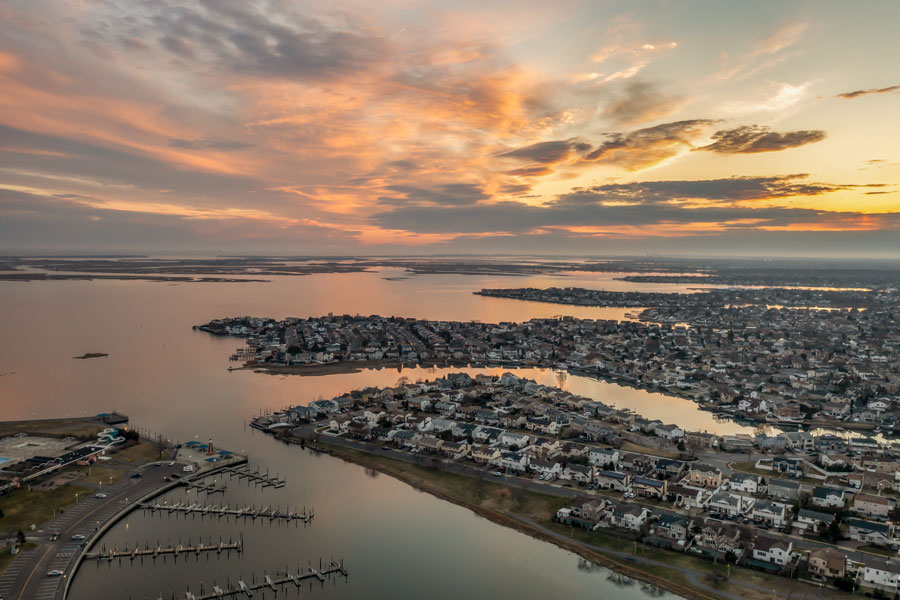
Long Island’s South Shore is the geographic and cultural region along the island’s southern coastline, bordering the Atlantic Ocean and a series of protected bays behind offshore barrier islands. It generally includes the southern portions of Nassau County and Suffolk County and is known for wide sandy beaches, barrier islands, waterfront communities, marinas, fishing ports, coastal parks, and popular recreation areas. Unlike a county or town, the South Shore is not an officially defined governmental region, so its precise inland boundaries can vary according to local usage.
In Short
The South Shore is the southern coastal region of Long Island. It includes the Atlantic-facing barrier beaches and the mainland communities bordering waterways such as the Great South Bay. The region is best known for its ocean beaches, barrier islands, boating, fishing, marinas, waterfront parks, and coastal villages.
What Is the South Shore?
The South Shore refers to the southern side of Long Island, extending through southern Nassau and Suffolk counties. The region includes both the mainland shoreline and the long barrier islands that separate much of the mainland from the open Atlantic Ocean.
Although people often describe the South Shore as the island’s Atlantic coastline, many South Shore communities do not sit directly on the open ocean. Instead, they border protected waterways such as the Great South Bay, with barrier islands and beaches lying between the mainland and the Atlantic. These bays support marinas, fishing fleets, waterfront restaurants, boating communities, and coastal parks throughout the region.
Like the North Shore, the South Shore has no single legally established boundary. The term is generally used for communities along and near the southern coast of Nassau and Suffolk counties. Its exact northern limit can differ depending on local identity, geography, and common usage.
How Is the South Shore Different from the North Shore?
The South Shore has a distinctly different landscape from the North Shore. The North Shore borders Long Island Sound and is commonly associated with wooded hills, rocky or pebbled beaches, coastal bluffs, narrow inlets, and protected harbors. The South Shore is generally flatter and is known for broad sandy beaches, barrier islands, shallow bays, marshlands, and exposure to the open Atlantic Ocean.
The South Shore’s coastline was shaped by sand, tides, waves, and coastal currents that created its beaches and barrier-island system. These features provide important wildlife habitat and recreational areas while also helping protect mainland communities from direct ocean wave action.
Barrier Islands and Coastal Bays
Barrier islands are one of the defining features of Long Island’s South Shore. These narrow landforms run parallel to the mainland and contain some of the island’s most famous ocean beaches, including Jones Beach State Park, Robert Moses State Park, and Fire Island National Seashore.
Between the barrier islands and the mainland are bays, channels, salt marshes, and tidal wetlands. The Great South Bay is the best-known of these waterways and stretches along a large portion of southern Suffolk County. These sheltered waters are widely used for boating, sailing, fishing, kayaking, shellfishing, and wildlife observation.
Beaches and Coastal Parks
The South Shore contains many of Long Island’s best-known beach destinations. Jones Beach State Park is famous for its long ocean shoreline, boardwalk, recreation facilities, and summer events. Farther east, Robert Moses State Park provides access to Atlantic beaches near the western end of Fire Island.
Fire Island National Seashore protects a long stretch of barrier-island coastline, dunes, maritime forests, wetlands, and beach communities. In western Suffolk County, Cupsogue Beach County Park offers ocean and bay access near the eastern end of the barrier-island system.
Waterfront Communities and Recreation
The South Shore includes numerous waterfront communities, traditional fishing ports, suburban neighborhoods, marinas, and downtown districts. Many developed around access to bays, canals, rivers, and the Atlantic coast, creating a strong maritime culture that remains visible in local boating, fishing, seafood, and waterfront recreation.
Popular activities throughout the region include swimming, surfing, boating, sailing, fishing, kayaking, paddleboarding, birdwatching, beachcombing, and visiting coastal preserves. The South Shore also contains seafood restaurants, boardwalks, museums, entertainment venues, nature centers, and community events that attract residents and visitors throughout the year.
Quick Facts
| Category | Information |
|---|---|
| Region | Southern coastal area of Long Island |
| Primary Ocean | Atlantic Ocean |
| Counties | Southern portions of Nassau County and Suffolk County |
| Official Boundary | No single legally defined boundary; the exact inland limits vary by local usage |
| Major Waterways | Atlantic Ocean and Great South Bay |
| Landscape | Sandy beaches, barrier islands, coastal bays, marshes, dunes, canals, and relatively flat terrain |
| Known For | Ocean beaches, boating, fishing, marinas, waterfront communities, parks, and coastal recreation |
| Popular Destinations | Jones Beach State Park, Robert Moses State Park, Fire Island National Seashore, and Cupsogue Beach County Park |
| Contrasting Region | North Shore |
| State | New York State |
Long Island’s South Shore is best understood as a broad coastal region shaped by the Atlantic Ocean, offshore barrier islands, sheltered bays, and waterfront communities. Its sandy beaches, marinas, fishing traditions, coastal parks, and recreational waterways give it a character that differs noticeably from the wooded hills and rocky shoreline of the North Shore. From Jones Beach State Park and the Great South Bay to Fire Island National Seashore, the South Shore remains one of the defining geographic and cultural regions of Long Island.
Are you ready for fall on Long Island? Check out these local seasonal guides:
🍎 Apple Picking 🍓 Strawberry Picking 🎃 Pumpkin Picking 👻 Haunted Houses 🍂 Farm Festivals