
What cities are on Long Island?
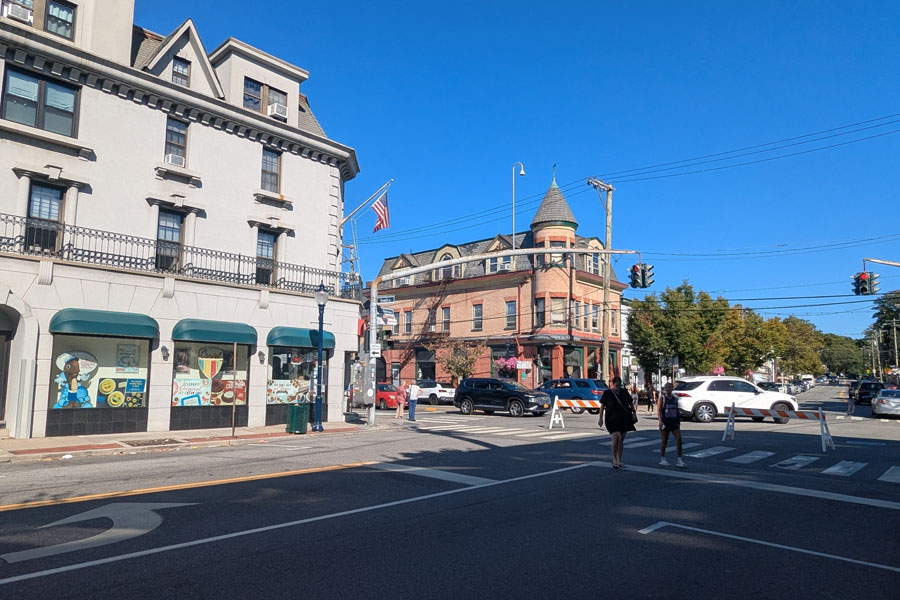
Long Island has only two officially incorporated cities: Long Beach and Glen Cove, both located in Nassau County. Although many people casually refer to places such as Huntington, Islip, Riverhead, or Patchogue as cities, they are actually organized as towns, incorporated villages, or hamlets. Understanding this distinction helps explain Long Island’s unique system of local government.
In Short
Long Island has just two incorporated cities: Long Beach and Glen Cove. Nearly every other community on the island is officially classified as a town, incorporated village, or hamlet rather than a city.
What Cities Are on Long Island?
Outside the New York City boroughs of Brooklyn and Queens, there are only two incorporated cities on Long Island: Long Beach and Glen Cove. Both cities are located in Nassau County and have their own municipal governments.
Long Beach is a South Shore coastal city known for its Atlantic Ocean beaches, iconic boardwalk, restaurants, surfing, and year-round waterfront lifestyle. Glen Cove, located on the North Shore, is one of Long Island’s historic Gold Coast communities and is known for its waterfront, parks, marinas, and rich architectural heritage.
Many of Long Island’s best-known communities are not cities at all. Huntington, Islip, Riverhead, Smithtown, and Southampton are towns, while places such as Patchogue, Port Jefferson, and Greenport are incorporated villages.
Although Brooklyn and Queens are physically located on Long Island, they are boroughs of New York City, not incorporated cities under New York State’s municipal structure. This distinction often causes confusion when people ask how many cities are on Long Island.
Most residents live within one of Long Island’s thirteen towns, many of which contain incorporated villages and numerous unincorporated hamlets. Rather than creating additional cities, New York’s municipal system allows these communities to operate under town governments while preserving local identities through villages and hamlets. To better understand how this system works, visit our guide to Long Island Municipalities, Villages & Hamlets.
Continue Exploring
Learn more about Long Island Municipalities, Villages & Hamlets, the Towns of Long Island, Nassau County, Suffolk County, Brooklyn, Queens, and New York City.
Quick Facts
| Question | Answer |
|---|---|
| How many incorporated cities are on Long Island? | Two. |
| What are the two cities? | Glen Cove and Long Beach. |
| Where are they located? | Both are in Nassau County. |
| Are Huntington, Islip, and Riverhead cities? | No. They are towns. |
| Are Patchogue, Port Jefferson, and Greenport cities? | No. They are incorporated villages. |
| What about Brooklyn and Queens? | They are New York City boroughs located on Long Island, not incorporated cities under New York State’s municipal system. |
| Where can I learn more? | See our guide to Long Island Municipalities, Villages & Hamlets. |
While Long Beach and Glen Cove are the island’s only incorporated cities outside New York City, Long Island’s hundreds of towns, villages, and hamlets give the region its distinctive identity. Understanding how these different forms of local government fit together helps explain why many well-known communities are not cities, despite their size, history, or popularity.
Are you ready for fall on Long Island? Check out these local seasonal guides:
🍎 Apple Picking 🍓 Strawberry Picking 🎃 Pumpkin Picking 👻 Haunted Houses 🍂 Farm Festivals